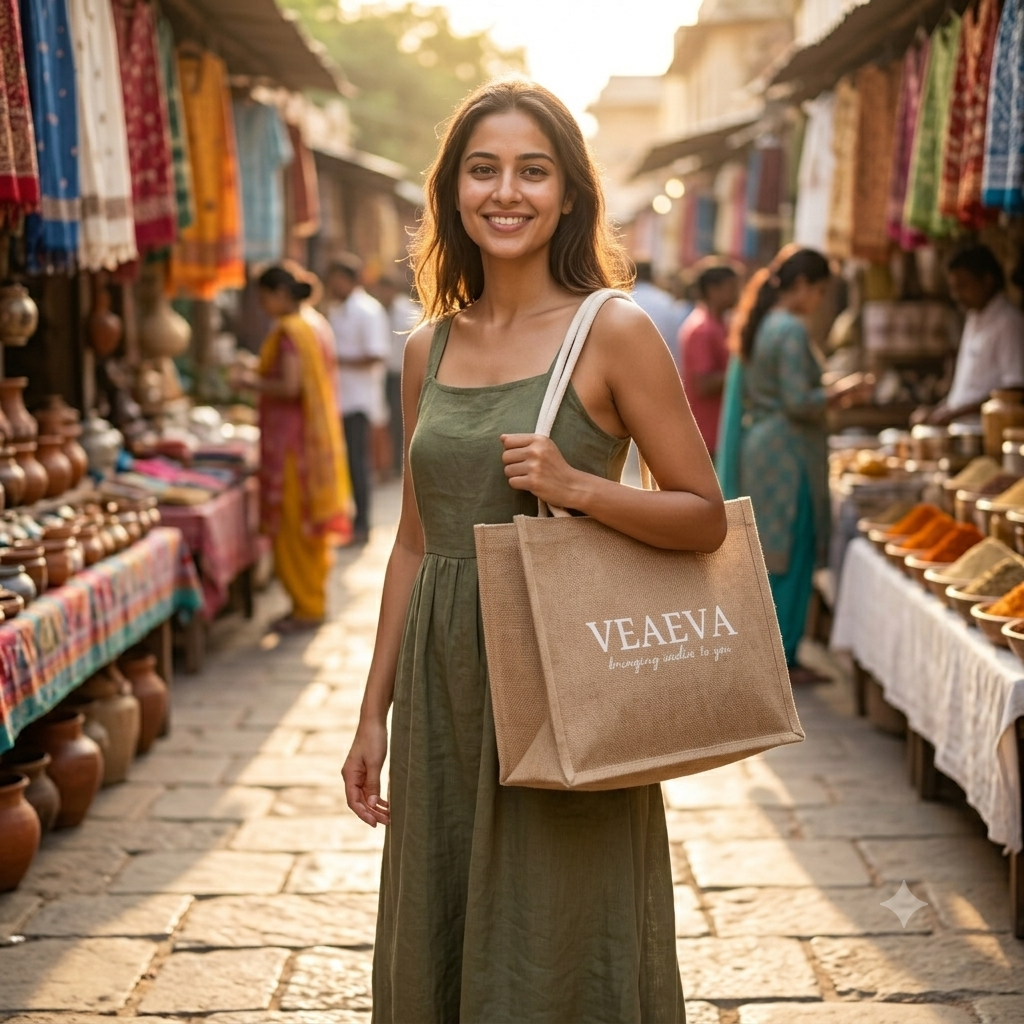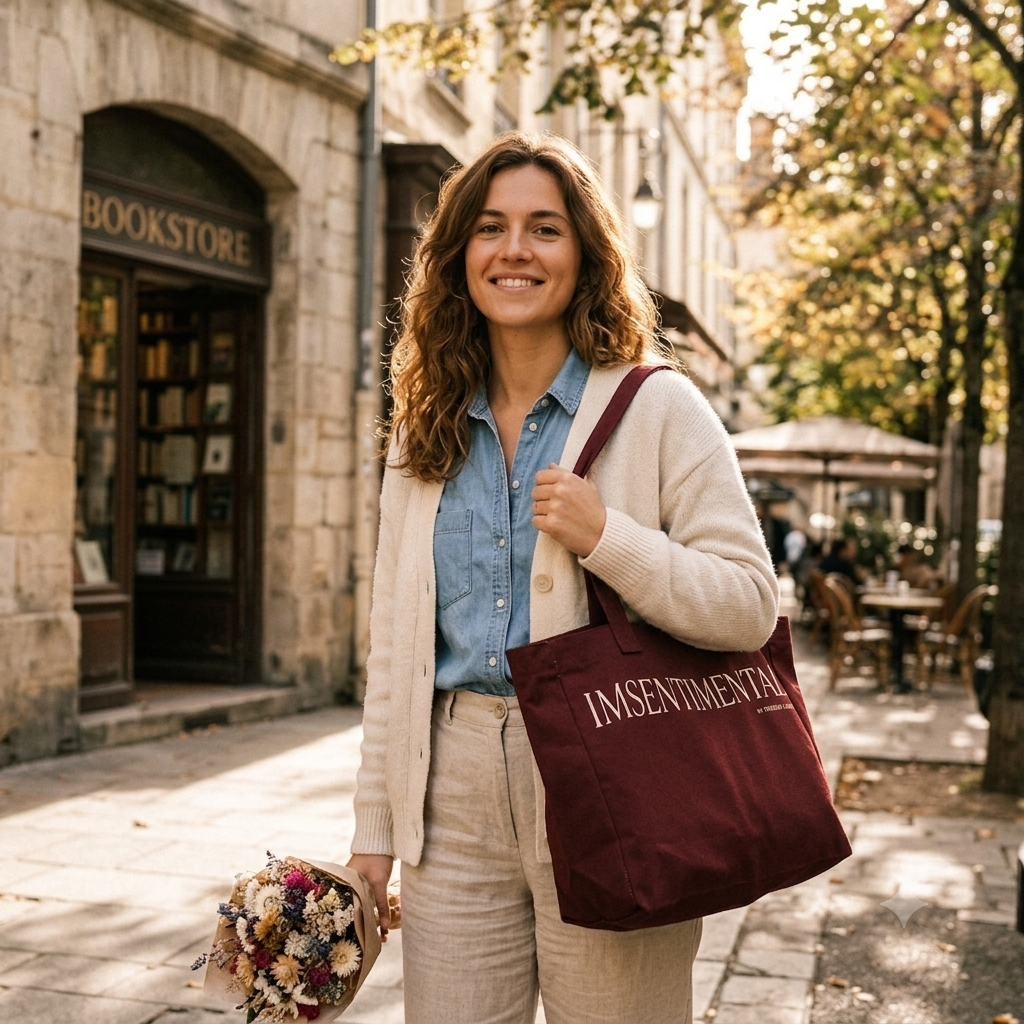
A lot of custom bag inquiries begin with one short message: “We need 2,000 bags with our logo. What’s your best price?”
It sounds like a straightforward request. On the factory side, though, it opens a dozen questions at once. What kind of bag? Which fabric? How much weight will it carry? Is the logo printed, embroidered, or added as a label? Does the buyer need simple bulk packing or something ready for a retail shelf?
That gap between a quick idea and a production-ready bag is where most of the real work happens.
The custom bag manufacturing process is not simply cutting fabric, running it through a sewing machine, and placing the finished pieces in a carton. It is a chain of decisions. Some are obvious, like size and color. Others only show up when the first sample is sitting on a table and somebody notices that the zipper opening is too narrow or the handles do not feel quite right.
Here is what usually happens between the first email and the final shipment—and where buyers can make the project go much more smoothly.
The quote actually starts with a product brief
Before a factory can quote accurately, it needs to understand what it is being asked to make. A photo is helpful, but a photo rarely tells the whole story. Two bags can look nearly identical on a screen while using different fabric weights, linings, zippers, reinforcement, and printing methods.
A workable brief usually covers:
- Bag style and intended use
- Finished dimensions
- Main material and preferred color
- Lining, pockets, closures, handles, and other construction details
- Logo artwork, size, position, and decoration method
- Estimated order quantity
- Packing requirements
- Destination and target delivery date
Do not worry if every detail is not settled yet. An experienced custom bag manufacturer should be able to point out missing information and offer practical options. The important thing is to be clear about what is fixed and what is still open to suggestions.
For example, “natural canvas tote, about 38 by 42 cm, long shoulder handles, one-color logo, 3,000 pieces” is a much better starting point than “cotton bag, good quality.” The first description gives the supplier something it can cost. The second invites assumptions—and assumptions tend to become revisions later.
Material choice is where the design meets reality
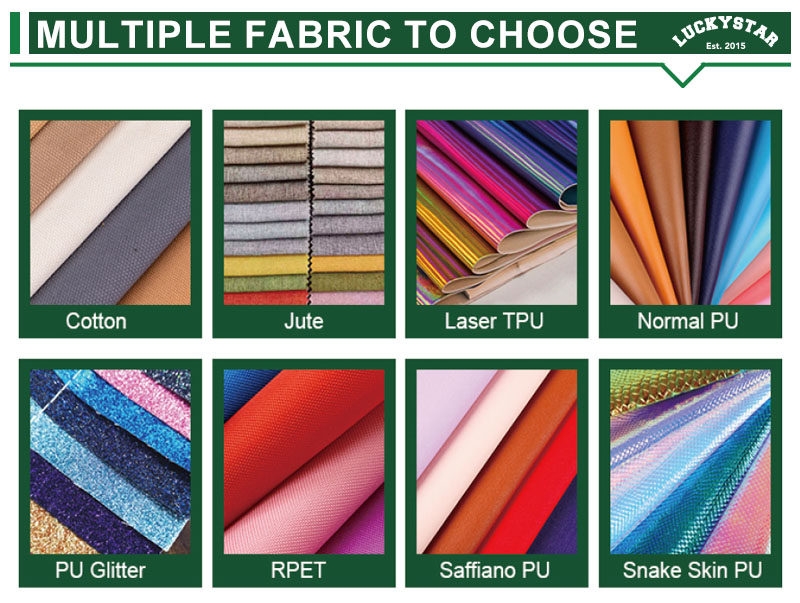
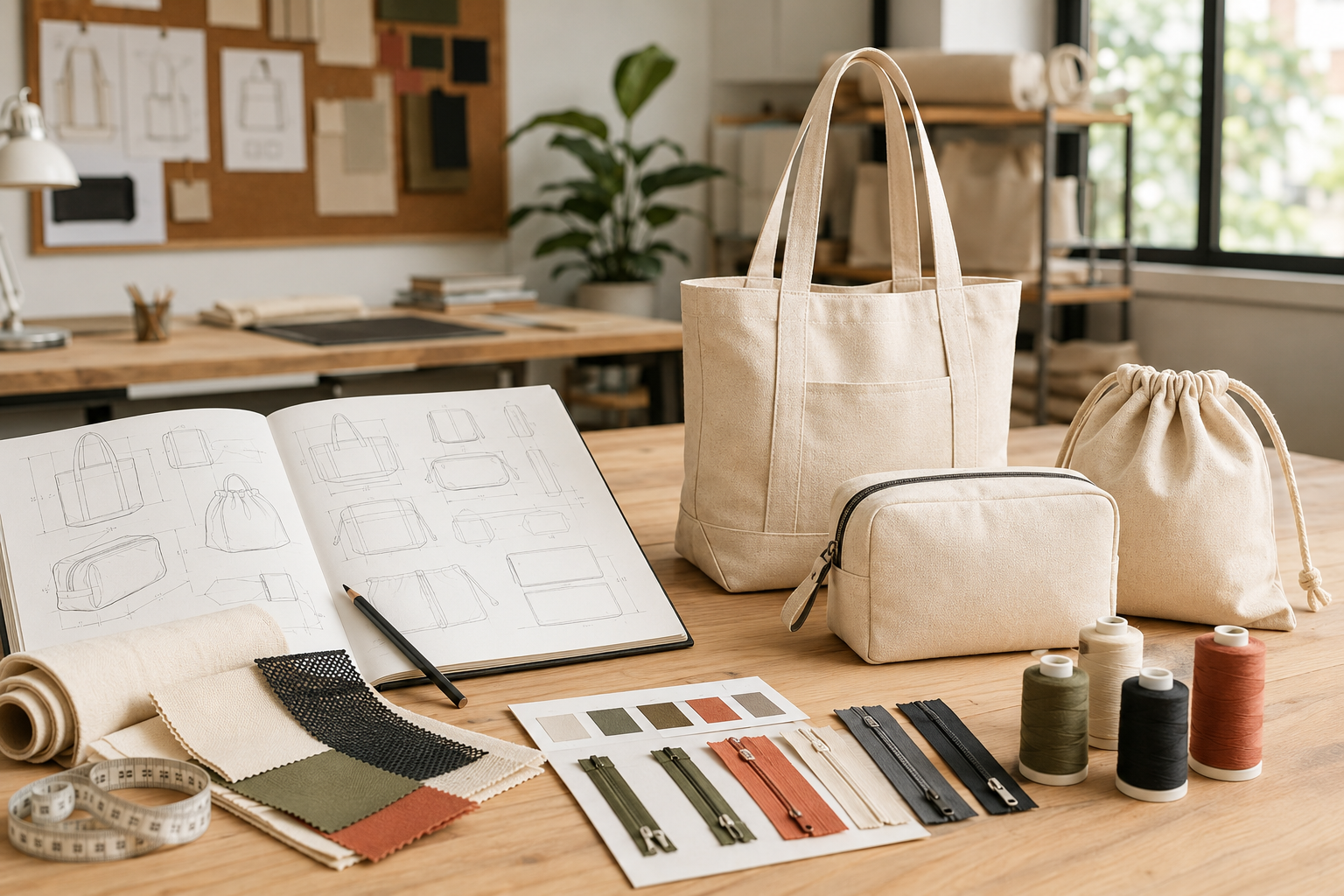
Buyers often begin with a material name: canvas, cotton, velvet, PVC, mesh, jute, neoprene, or non-woven fabric. That narrows the field, but it still does not fully define the bag.
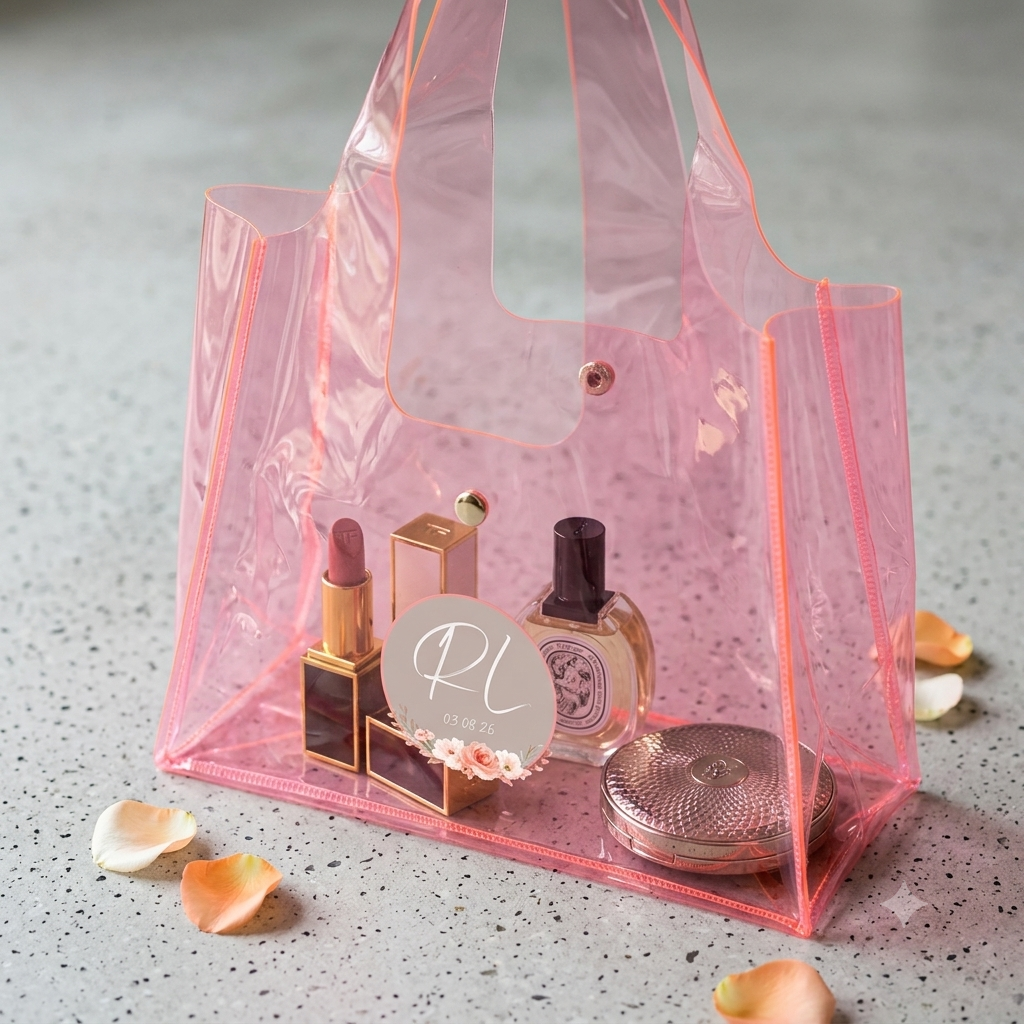
Canvas alone can feel soft and foldable, dense and workwear-like, or stiff enough to hold a structured shape. Clear PVC may vary in thickness, flexibility, tint, and surface finish. Velvet chosen for a jewelry pouch will behave differently from mesh used for a travel organizer.
This is why material selection needs to connect back to the job the bag has to do.
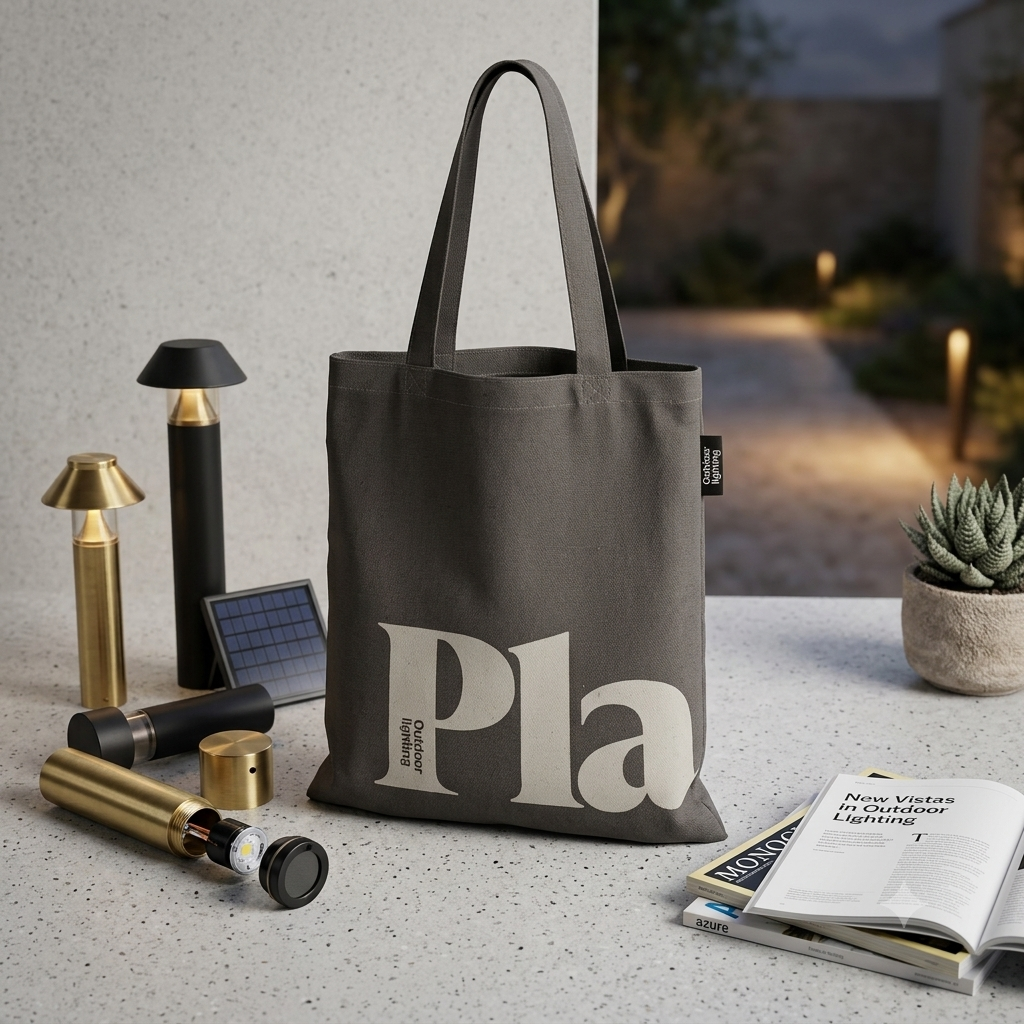
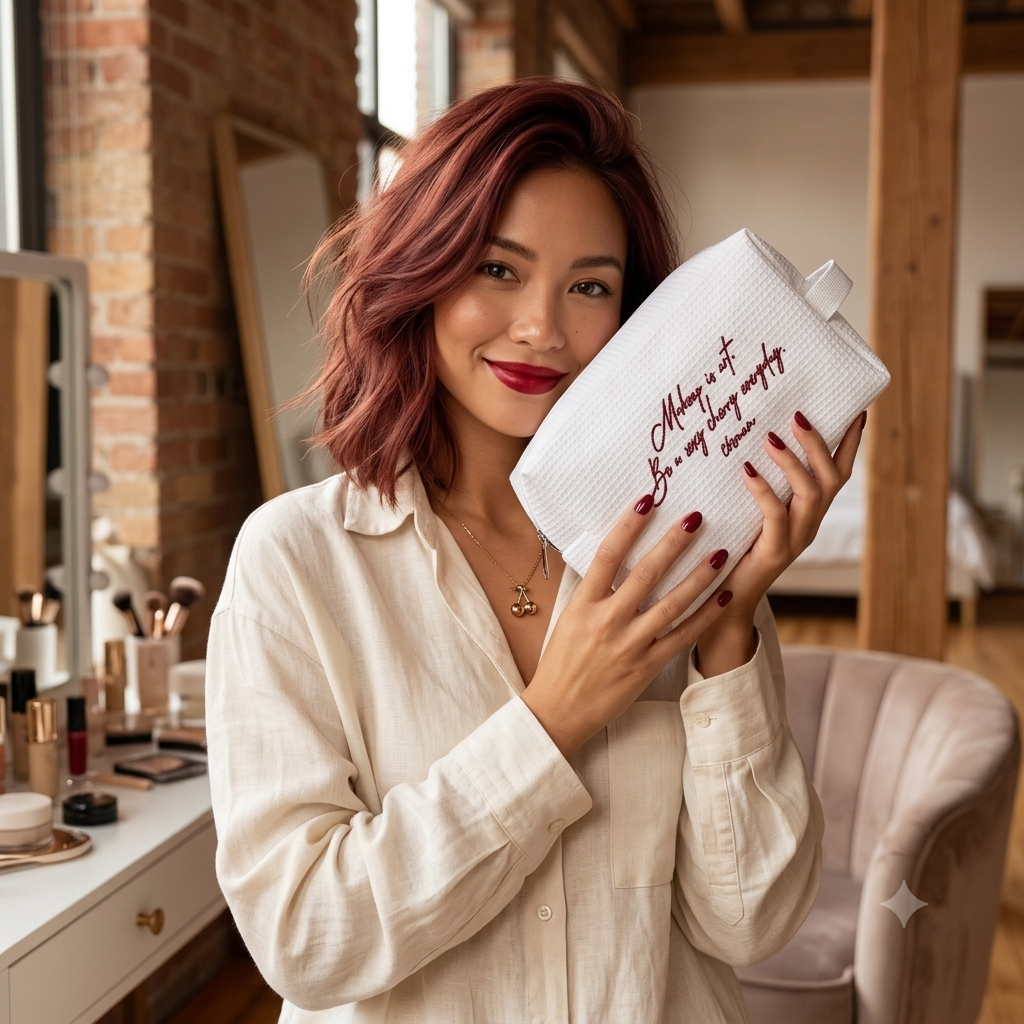
A promotional tote may need a broad, clean print area and a cost that works for a large giveaway. A cosmetic bag needs a zipper and lining that can handle regular opening, closing, and contact with small bottles. A drawstring pouch used for jewelry packaging is judged as much by hand feel and presentation as by strength. A retail bag may need a hangtag, barcode, branded lining, or individual packaging before it is ready to sell.
The factory may suggest a stock fabric to keep the minimum order practical, or a custom-dyed material when color matching matters more. Neither option is automatically better. It depends on the order size, budget, schedule, and how exact the brand color needs to be.
A logo is part of the construction, not an afterthought
“Add our logo” sounds like the easiest line in the brief. It can be, but the decoration method affects appearance, cost, feel, and sometimes the production order itself.
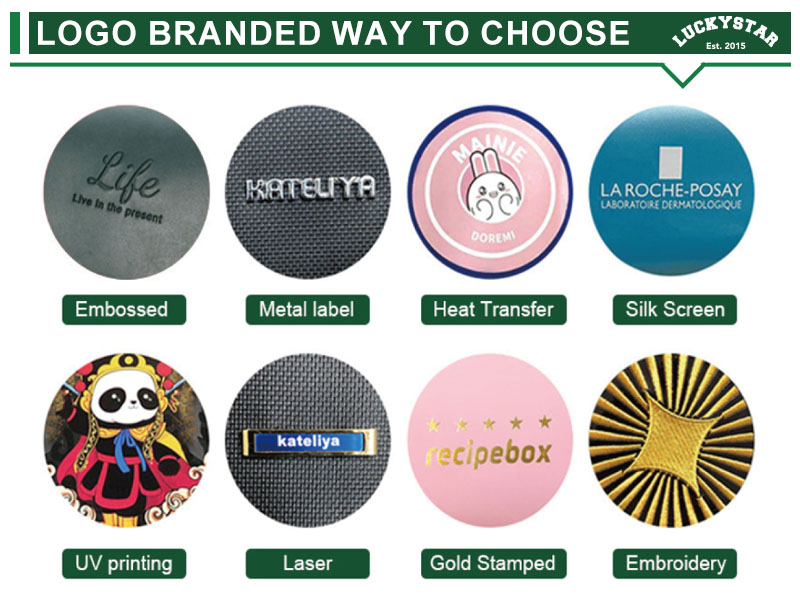
Screen printing is a familiar choice for simple graphics on cotton and canvas. Heat transfer can handle more detailed or multicolor artwork on suitable surfaces. Embroidery brings texture, but it can pull or pucker lightweight fabric if the design is too dense. Woven labels, rubber patches, leather-look patches, and metal plates create a different brand impression again.
The right choice depends on the bag material and the artwork. A fine line that looks sharp on a computer may fill in when printed. A very small embroidered word may lose legibility. A large solid print may change the hand feel of a soft pouch.
It is worth approving the actual logo effect on a physical sample, not just signing off on a digital mockup.
The first sample is a conversation in physical form
Sampling is the point where an idea stops being theoretical.
The first sample lets the buyer check proportion, fabric feel, color, structure, pocket placement, handle length, zipper movement, logo scale, and general workmanship. It also gives the manufacturer a chance to see whether the written specifications behave as expected once they are turned into a real object.
And yes, first samples sometimes need changes. That is normal.
Maybe a cosmetic pouch looks good but falls over when filled. Maybe the base of a tote needs more reinforcement. Maybe the drawcord is visually too heavy for a small pouch. Maybe the logo was positioned according to the artwork file but looks slightly low once the bag is sewn.
Useful sample feedback is specific. Instead of saying “make it better,” mark the exact area and describe the desired change: move the logo 15 mm upward, shorten the handle by 3 cm, use a smoother zipper, increase the pocket depth, or change the lining from beige to black.
One tidy feedback list is far easier to manage than a string of messages sent over several days.
What gets approved before bulk production
Once the sample looks right, both sides need a clear production reference. Depending on the project, that may include an approved sample, measurements, artwork files, color references, material swatches, accessory details, label copy, packaging instructions, and carton marks.
This is the moment to confirm details that are easy to overlook:
- Is the size measured flat or filled?
- Are tolerances understood?
- Is the logo color based on a named color reference or visual approval?
- Which side of the bag carries the label?
- Does each unit go into an individual bag?
- Are hangtags, barcode stickers, warning labels, or inserts required?
- How should assorted colors be packed into cartons?
Bulk production should not begin while major design questions are still moving. A small change to one pocket may affect the pattern, fabric consumption, sewing time, and price. Freezing the specification protects both the buyer and the factory.
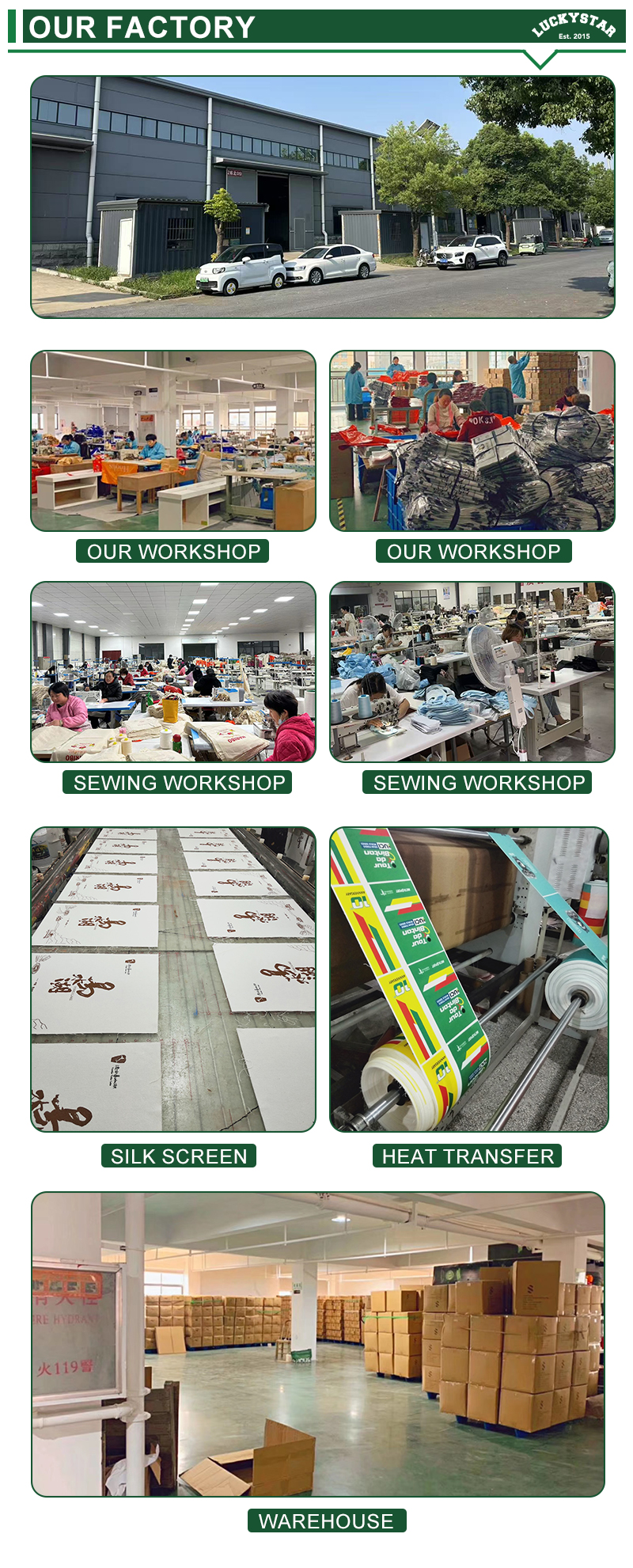
What happens on the production floor
The exact sequence changes with the bag style, but most sewn-bag orders follow a recognizable path.
Material preparation
Main fabric, lining, webbing, zippers, cords, thread, labels, and other trims are gathered and checked against the order. If fabric is dyed or printed for the project, color and surface quality need attention before cutting begins.
Cutting
The bag pattern is broken into panels and components. Accurate cutting matters because small errors can multiply across a large run. Panel direction also matters for striped, checked, textured, or directional printed fabrics.
Logo application
Some decoration is applied to flat panels before sewing; other branding elements are attached during assembly. The timing depends on the method and where the logo sits.
Sewing and assembly
Panels, pockets, handles, linings, closures, and trims come together. A simple flat drawstring pouch may move quickly. A structured travel cosmetic bag with several compartments and binding requires more operations and more opportunities for variation.
Finishing
Loose threads are trimmed, bags are shaped or pressed where appropriate, and hardware and closures are checked. The product starts to look less like a stack of sewn components and more like the approved sample.
If you are still deciding which construction fits the project, browsing a broader custom bag range can help you compare tote bags, cosmetic bags, drawstring pouches, and other formats before locking the brief.
Quality control works better as checkpoints
Final inspection matters, but it should not be the first time anybody looks closely at the order.
Good production control happens in stages. Material can be checked before cutting. Printed panels can be reviewed before sewing. Measurements and workmanship can be monitored during assembly. Finished bags can then be inspected against the approved standard before packing.
The details depend on the product, but common checks include:
- Finished dimensions and shape
- Fabric color and surface condition
- Logo position, color, clarity, and adhesion
- Stitch consistency and seam security
- Handle and strap attachment
- Zipper, snap, hook-and-loop, or drawcord function
- Lining, pocket, and trim placement
- Cleanliness, loose threads, and visible marks
- Packing quantity, labels, and carton information
The goal is not to claim that textile production has zero variation. The goal is to define acceptable tolerances, catch problems early, and keep bulk output consistent with the approved sample.
Packing decisions belong in the original quote
Packing can look like a minor detail until the finished bags are ready and the buyer suddenly needs individual polybags, recycled-content packaging, hangtags, barcode labels, master carton markings, or a specific pack ratio for several colors.
Those requests add materials and handling. They may also affect carton size, freight volume, and the way a warehouse receives the goods.
Retail-ready private label bags usually need a different packing plan from promotional bags that will be unpacked and distributed at an event. Tell the manufacturer where the order is going next: a retail distribution center, an Amazon prep warehouse, a promotional agency, a hotel group, or the buyer’s own stockroom. That context helps the supplier spot requirements before they become last-minute work.
What usually slows a custom bag order down
Factories are often blamed for every schedule slip, but the timeline is shared. A project can lose days while waiting for artwork, sample comments, color approval, packaging copy, or a final quantity.
The most common slowdowns are ordinary:
- The quote was based on incomplete specifications
- Artwork is not production-ready
- Materials change after sampling
- Feedback arrives in several conflicting rounds
- Packaging is decided after production starts
- The buyer’s target delivery date does not include freight and customs time
- A seasonal deadline is treated as flexible until it suddenly is not
The simplest fix is to work backward from the date the bags must be in hand. Allow time for clarification, quotation, sample development, sample shipping, revisions, material preparation, production, inspection, packing, and international transport.
What to send a custom bag factory before asking for a quote
You do not need a perfect technical pack to start a conversation. A clear starter brief is enough.
Send:
- A reference image, sketch, or existing sample
- Approximate finished dimensions
- Preferred material—or a description of the feel and performance you want
- Logo file and preferred branding style
- Expected order quantity
- Required packing details
- Delivery country and target in-hand date
- Any non-negotiable requirements
If budget is the main constraint, share the target range. If appearance is the priority, say which visual details cannot change. If you need a low opening quantity, ask which stock materials and standard trims make that more realistic.
That information gives an OEM bag manufacturer room to recommend something manufacturable instead of guessing its way through a price.
The best projects are collaborative, but still controlled
There is a sweet spot in custom manufacturing. The buyer brings a clear brand direction and commercial goal. The factory brings material knowledge, construction experience, and an understanding of what will be stable in production. Both sides document the decisions.
Too little direction produces vague quotes and avoidable revisions. Too much late-stage improvisation makes the order harder to control. A clear brief, an honest sample review, and a frozen production reference keep the project moving.
That is really what a capable custom bag manufacturer is being hired to do: not simply sew a logo onto a bag, but turn an idea into a repeatable product that can be made, checked, packed, and reordered with fewer surprises.
Frequently asked questions
What is the custom bag manufacturing process?
It is the full workflow used to turn a bag idea into a finished order. It normally includes specification review, material and decoration choices, quotation, sample development, sample approval, material preparation, cutting, logo application, sewing, quality checks, packing, and shipment.
Do I need a technical drawing before contacting a manufacturer?
Not always. A reference photo or sketch, approximate size, intended use, quantity, logo, and target date can be enough to begin. More detailed specifications usually lead to a more accurate quotation and fewer sample revisions.
Should I approve a sample before bulk production?
Yes. A physical sample lets you check the bag’s size, feel, structure, logo, hardware, and workmanship before the factory repeats it across the full order.
What affects the minimum order quantity for custom bags?
Material availability, custom dyeing, logo method, special hardware, packaging, construction complexity, and the factory’s production setup can all affect MOQ. Stock fabrics and standard accessories may make smaller opening orders easier.
What is the difference between an OEM and ODM bag manufacturer?
OEM generally means the factory produces a bag based on the buyer’s design or specification. ODM usually starts with an existing factory-developed style that can be adjusted through materials, colors, logos, trims, or packaging. The exact scope should always be confirmed with the supplier.
How can buyers keep the bulk order consistent with the sample?
Approve a clear production reference, document measurements and materials, confirm artwork and color, define tolerances, and ask how quality will be checked during production as well as before packing.
Ready to discuss a bag project?
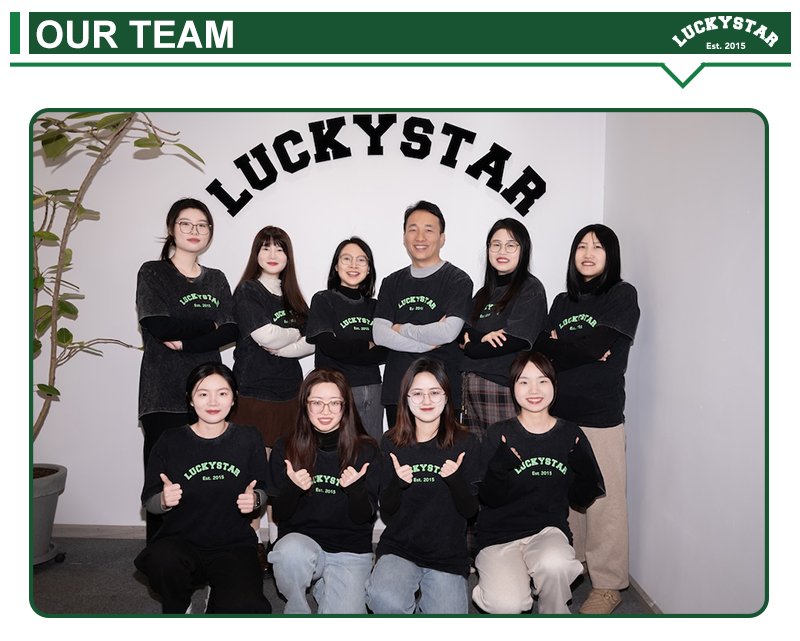
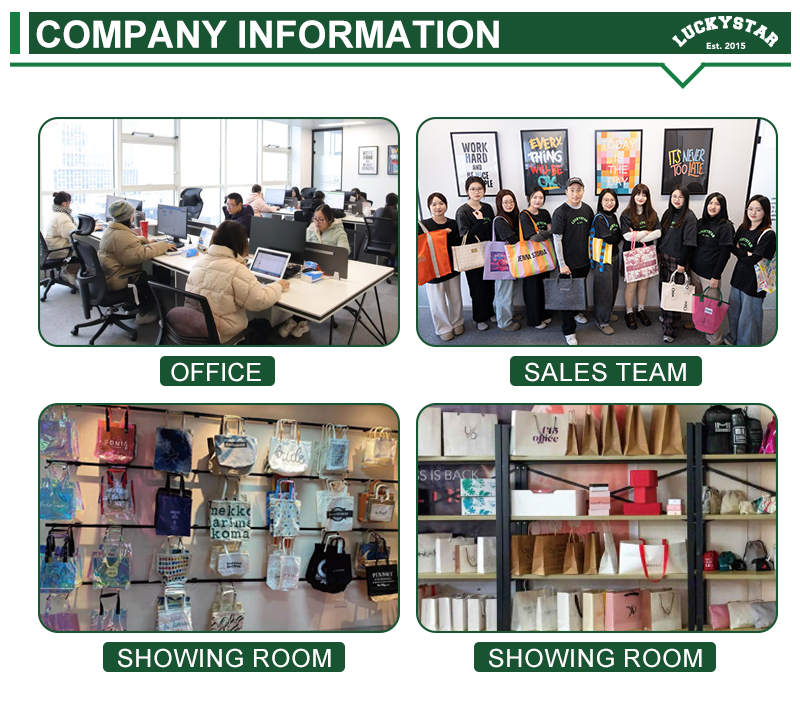
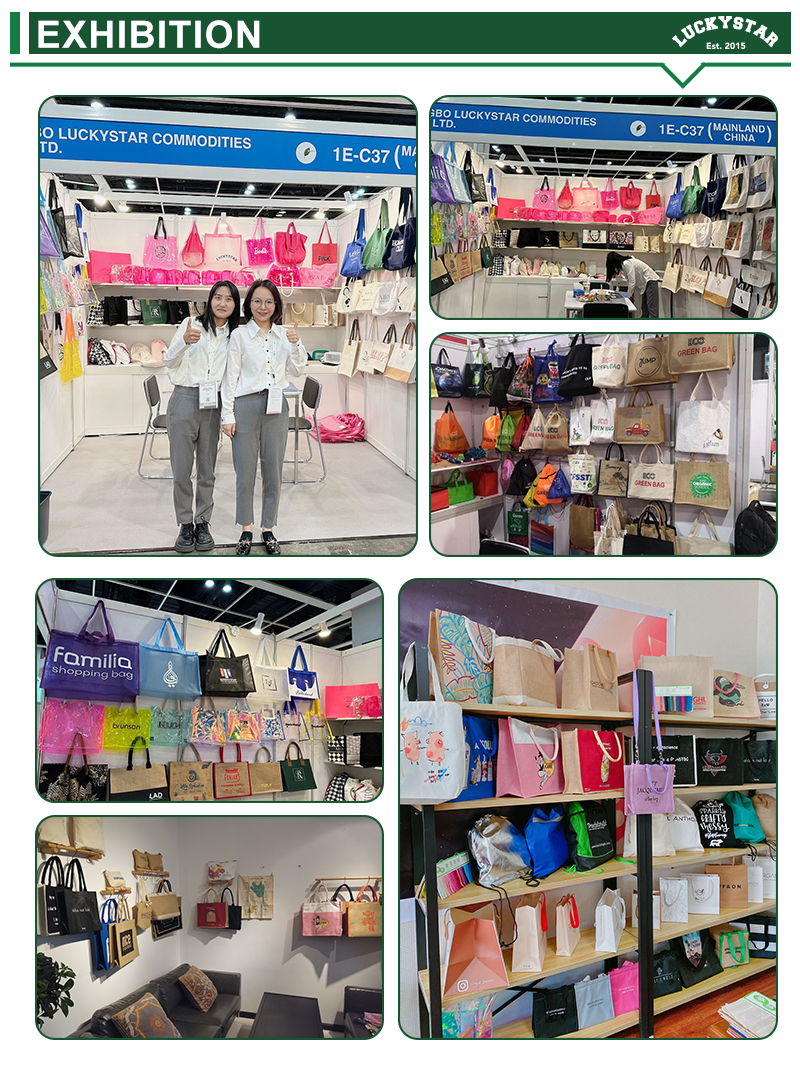
Luckystar works with custom shopping bags, cosmetic bags, tote bags, drawstring bags, pouches, and related branded packaging. Send your reference image or sketch, size, material direction, logo, quantity, delivery market, and target date to start a practical quotation and sampling discussion.
Cindy Song
P:(+86)574-88120727
Wechat/Whatsapp: +86 15957446693
Email:sales@luckystarcreation.com
ADD:Room 2202,Meijin Building,No. 125, Mingyuan Lane, Ningbo, Zhejiang, China