
Buyer quick answer
Select a shopping-bag vendor using one controlled specification, a representative sample, disclosed supply-chain roles, measurable acceptance criteria, change control and an itemized quote. Compare the vendor's ability to reproduce the approved bag, not a generic catalogue photo or an unsupported capability list.
Reuse boundary: “Reusable” describes intended repeated use; it does not by itself prove a lifespan, load rating, environmental benefit, recyclability or certification. Define the intended use and evidence required for any public claim.
Comparing shopping-bag vendors? Send one controlled specification, target load, artwork, quantities, inspection plan and destination for a route and quote review.
Issue the same RFQ to every vendor
- Intended contents, use cycle and target carrying load.
- Finished dimensions/gusset, tolerances and usable capacity.
- Material composition, construction, weight/thickness method, color and finish.
- Handle dimensions, attachment, seams, reinforcement and closure.
- Artwork, print method/area/colors, labels, unit packing, cartons and inspection.
Keep a revision number and date on the RFQ. Reject “equivalent” materials or construction changes until they are documented and approved.
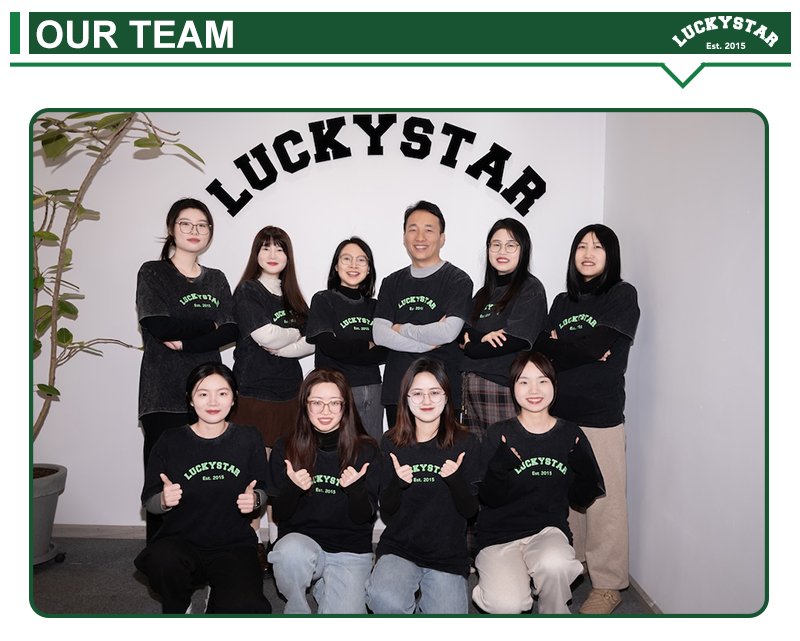
Verify the vendor's actual role
Identify the legal seller and the parties responsible for material sourcing, weaving or film conversion, cutting/sewing, printing, inspection and packing. Record the production country and ship-from point for the proposed order.
Trading, manufacturing and coordinating routes can each work when responsibilities are clear. A factory label, email signature, address or marketplace profile alone does not prove ownership, origin or control.
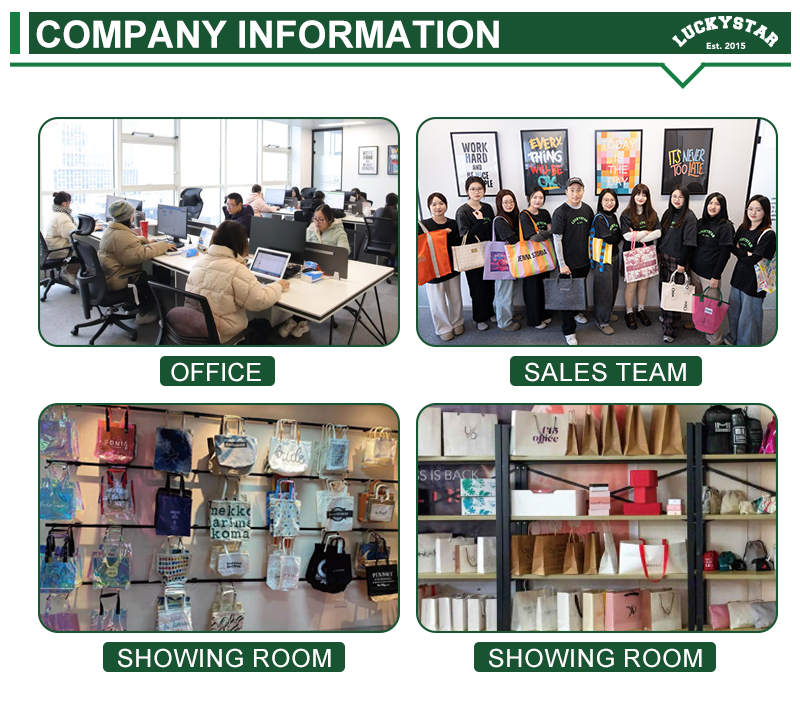
Approve a representative sample
Require the sample to use the proposed material, construction, handle, print and packing. Measure it against the controlled specification and record approved references. If a stock sample or digital mock-up is used early, list every difference still open.
Test the intended contents and carrying load through defined handling or cycles. Inspect the handle attachment, bottom/corner seams, closure, print and dimensional stability. The test method and acceptance criteria should match the intended claim.

Audit material and decoration evidence
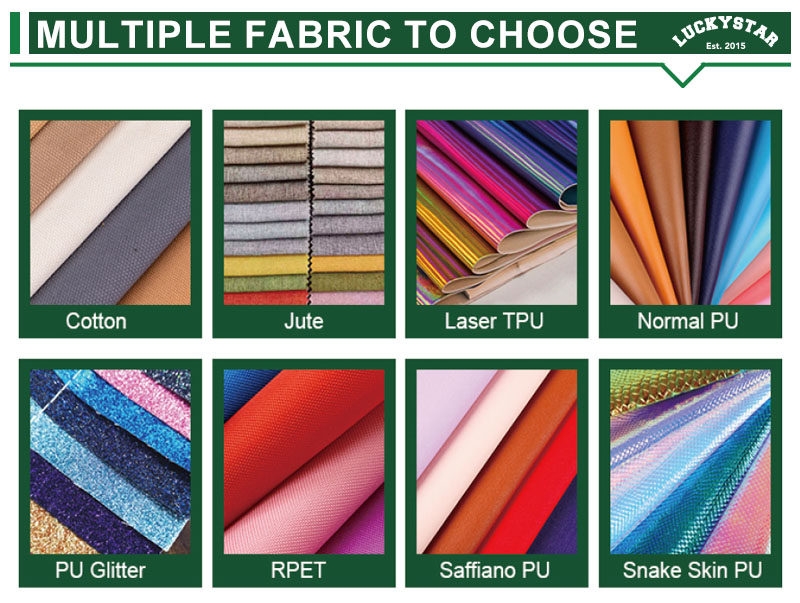
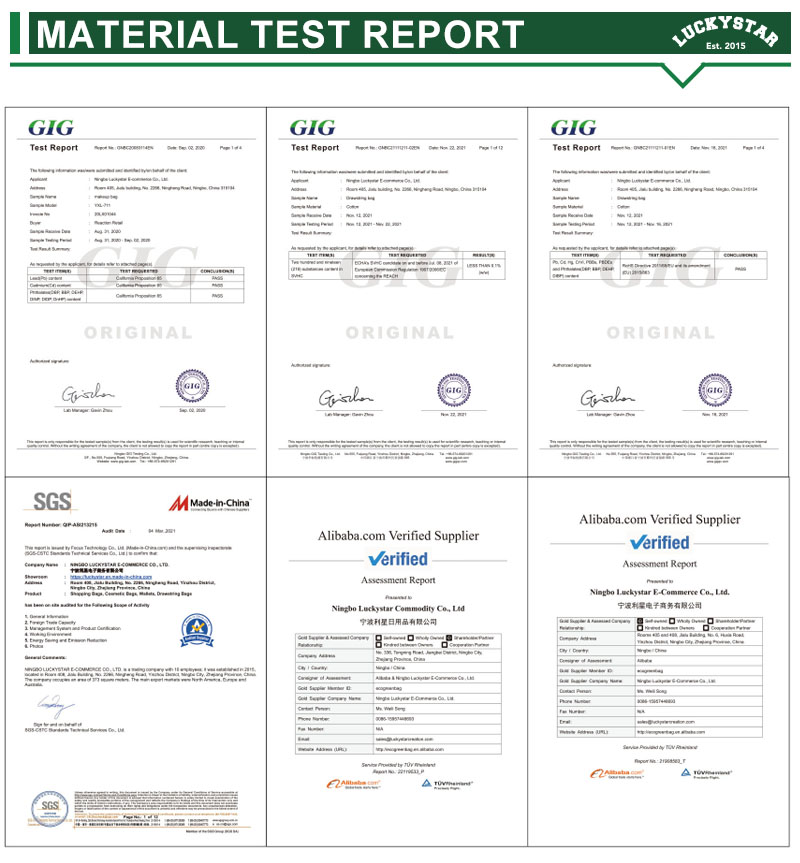
Specify material composition and any claimed recycled, organic or certified content by exact scope. Ask what declaration, certificate or test applies to the proposed material, supplier, product and period. Visual appearance does not prove composition or environmental attributes.
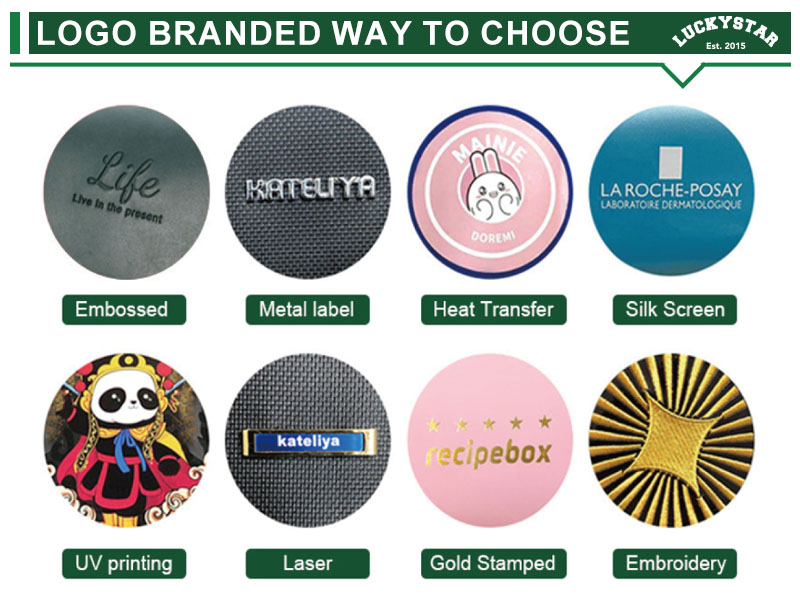
Approve artwork version, size, position, color reference, registration and process on the production material. Fabric texture, coatings and heat can alter color and edge definition.
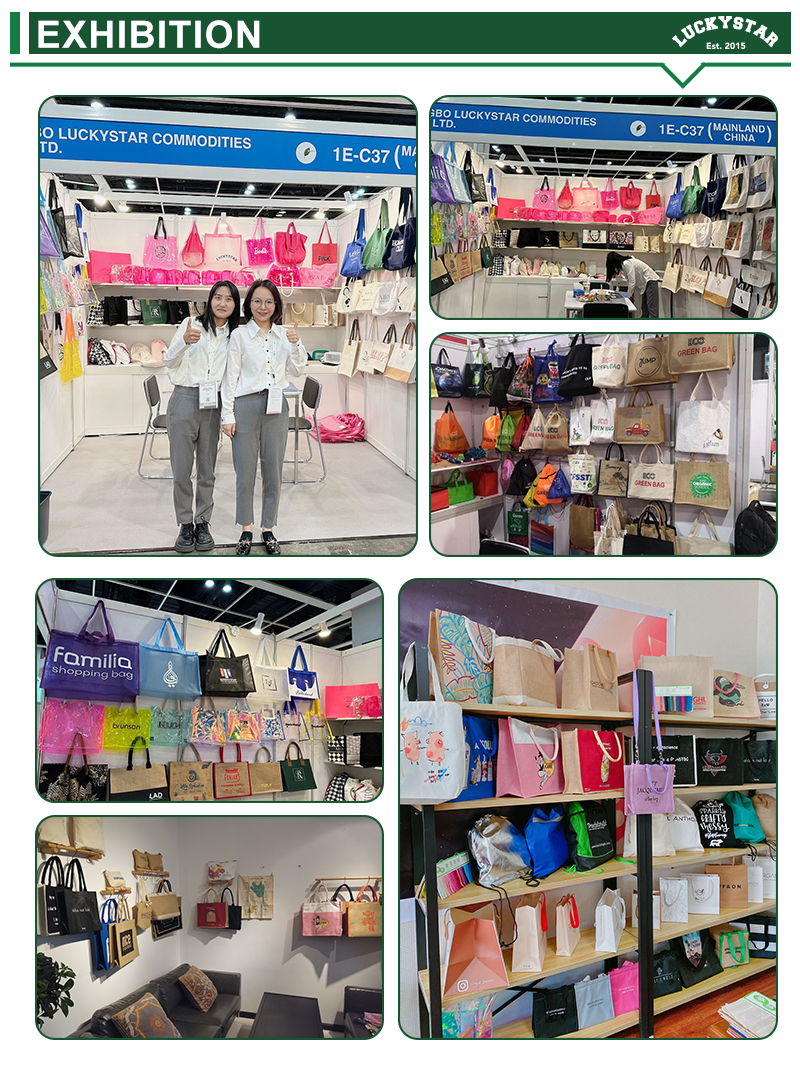
Compare bulk-control plans
A vendor plan should show incoming material checks, first-output approval, in-line checks, final inspection and packing verification. Define sample size or inspection level, defects and tolerances before production. Keep lot or batch references where future reorders need comparison.
Ask how the vendor handles substitutions, nonconforming goods and corrective action. Written change control matters more than a broad promise of quality.
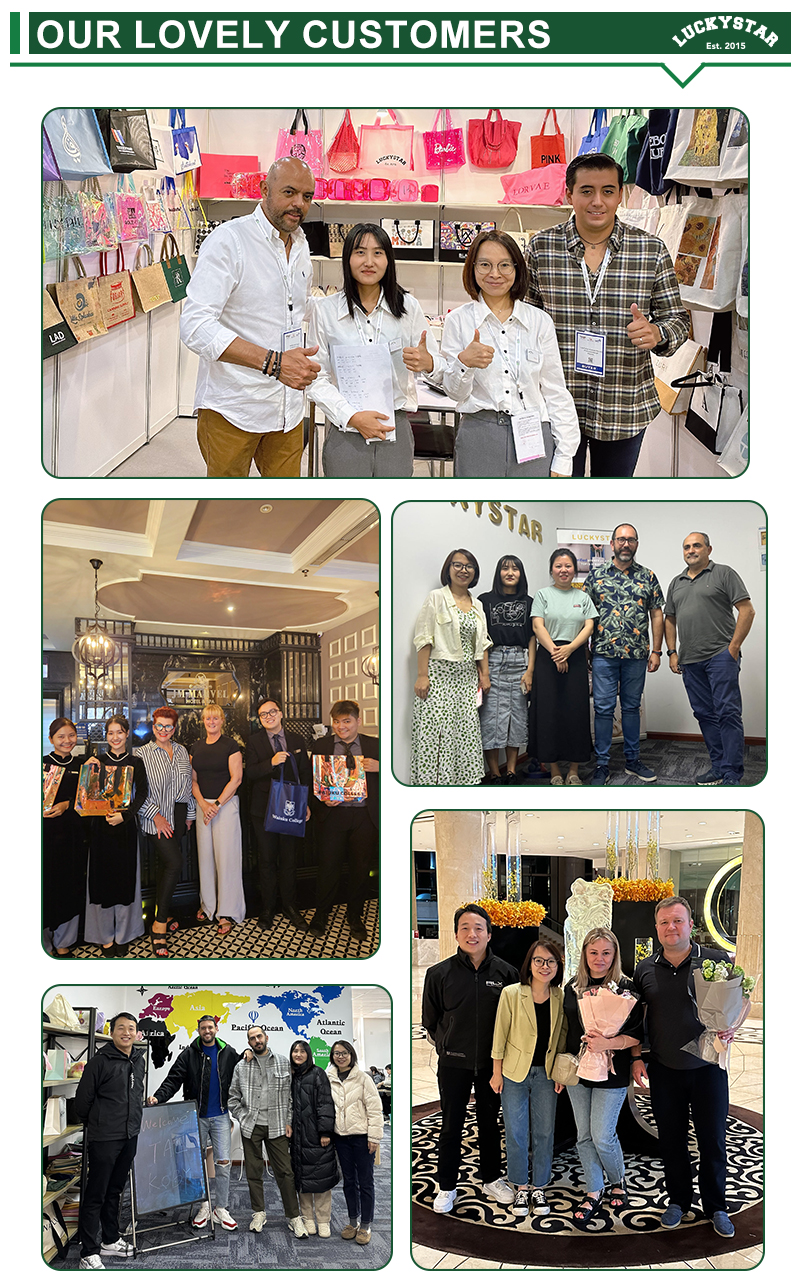
Normalize price, timing and packing
Require itemized unit price, setup, sample, labels, unit packing, cartons, testing/inspection and delivery assumptions. Record currency, quote validity, Incoterm and named place. Compare like-for-like specifications and quantities.
Build the schedule from specification freeze through sample approval, material booking, production, inspection, transit and delivery. Request dated gates and owners rather than one unsupported lead-time number.
Reusable shopping-bag vendor scorecard
| Gate | Vendor response | Buyer evidence |
|---|---|---|
| Role/route | Seller, maker, decorator, origin and ship-from | Written role statement |
| Product | Compliance with controlled specification | Measured approved sample |
| Claims | Material, reuse/load and certification scope | Applicable documents/tests |
| Control | First output, in-line, final and change control | Inspection/release plan |
| Commercial | Itemized cost, terms, schedule and packing | Comparable written quote |
Frequently asked questions
Does “reusable” prove a shopping bag is sustainable?
No. Define intended repeated use and evaluate environmental claims using evidence for the exact material, product, geography and life-cycle assumptions.
Should buyers prefer a factory?
Choose the route whose roles, specification control, evidence, quality plan and responsibilities fit the program. Verify rather than infer ownership.
What makes quotes comparable?
The same specification, artwork, quantities, packing, inspection, terms, destination and timing assumptions.
What should be frozen before production?
Freeze the product and artwork versions, material evidence, representative sample, acceptance criteria, packing, commercial terms and schedule.
Related sourcing guides
Source and scope: Luckystar custom shopping-bag category and linked sourcing guides, checked September 21, 2026. They are format and process references, not proof of factory ownership, origin, lifespan, load rating, environmental benefit, certification, stock, fixed MOQ, price, capacity or delivery. Existing article images are illustrative and still require topic-relevance and publication-rights review.
Request a reusable shopping-bag vendor review
Send the intended use/load, controlled bag specification, artwork, quantities, required evidence, inspection, packing, destination and date. Ask each bidder to respond against the same version.
Use the website contact form or email a prefilled vendor RFQ. Review the draft before sending.
Material, claims, route, MOQ, price, availability, capacity and delivery are subject to specification and written confirmation.






