
Buyer quick answer
Translate “luxury retail bag” into measurable choices: the packed purchase and load, bag format, dimensions, material construction, handle and reinforcement, color and surface tolerances, print/foil/embossing details, opening and closure, packing protection and bulk inspection.
Positioning boundary: “Luxury,” “premium” and “high-end” are positioning terms. They do not prove material grade, strength, craftsmanship, certification or retail suitability without a controlled specification and evidence.
Developing premium retail carry packaging? Send the packed item, bag format, material/finish, artwork effects, quantities and store delivery plan for a manufacturability review.
Start with the retail packing system
- Product, jewelry box, tissue, inserts and maximum packed weight.
- Finished bag dimensions, gusset, opening and tolerances.
- Paper/board, textile, nonwoven or film construction and measurement method.
- Handle, eyelet, turn-top, reinforcement, base insert and closure.
- Artwork, surface effects, labels, unit protection, cartons and store allocation.
Approve the complete packed system. A bag can look polished when empty but distort, mark or fail once the actual purchase is loaded.

Choose the format before selecting finishes
Paper carrier bags, reusable textile totes, nonwoven bags and film-based shopping bags use different constructions and controls. State the intended retail journey, reuse expectation, storage space and presentation requirement before comparing materials.
For jewelry and gift boxes, check box corners, tissue volume, opening access and bag proportions. For apparel or mixed purchases, check folded volume and gusset stability.
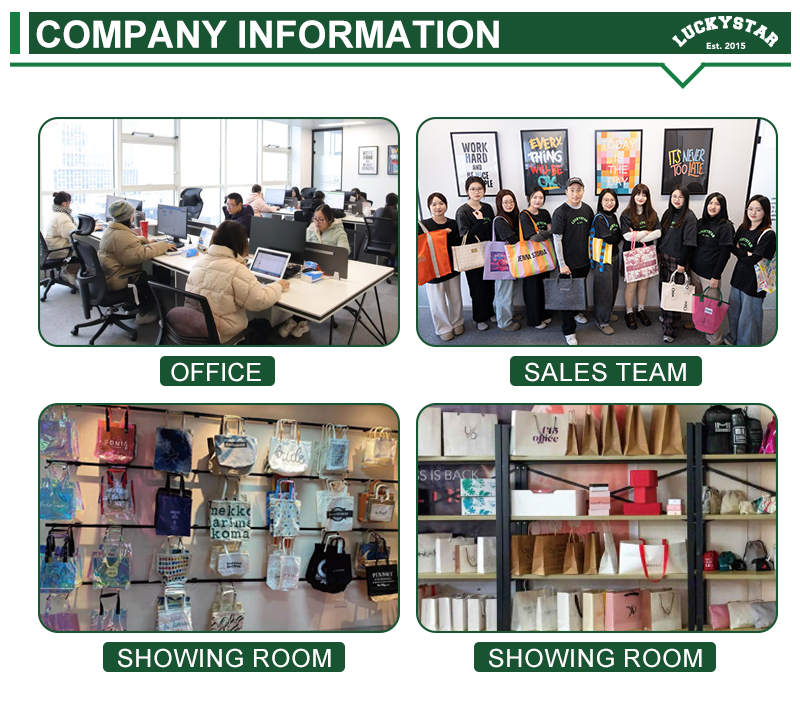
Specify materials and structural details
For paper, define paper/board type, basis weight method, lamination or coating, turn-top and reinforcement. For textile or nonwoven formats, define composition, construction, weight/thickness method, seams and edge finish. Identify base inserts and adhesives separately.
Specify handle material, dimensions, attachment and pull-through resistance. Run a defined loaded handling or cycle test on a production-representative sample with acceptance criteria.

Control color and decorative effects
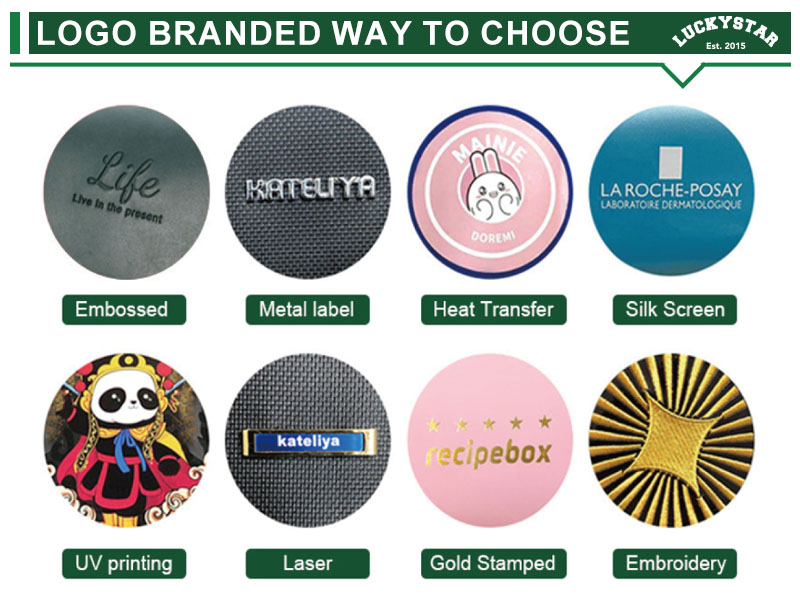
Approve artwork version, color reference, print process, ink coverage, registration, logo size and placement. For foil, embossing, debossing, spot coating, ribbon or hardware, specify effect, dimensions, tolerances and approved physical standard.
View the sample under agreed lighting and after representative folding, packing and handling. Dark solids, metallic effects and matte surfaces may show rub, cracking, scuffing or fingerprints differently.
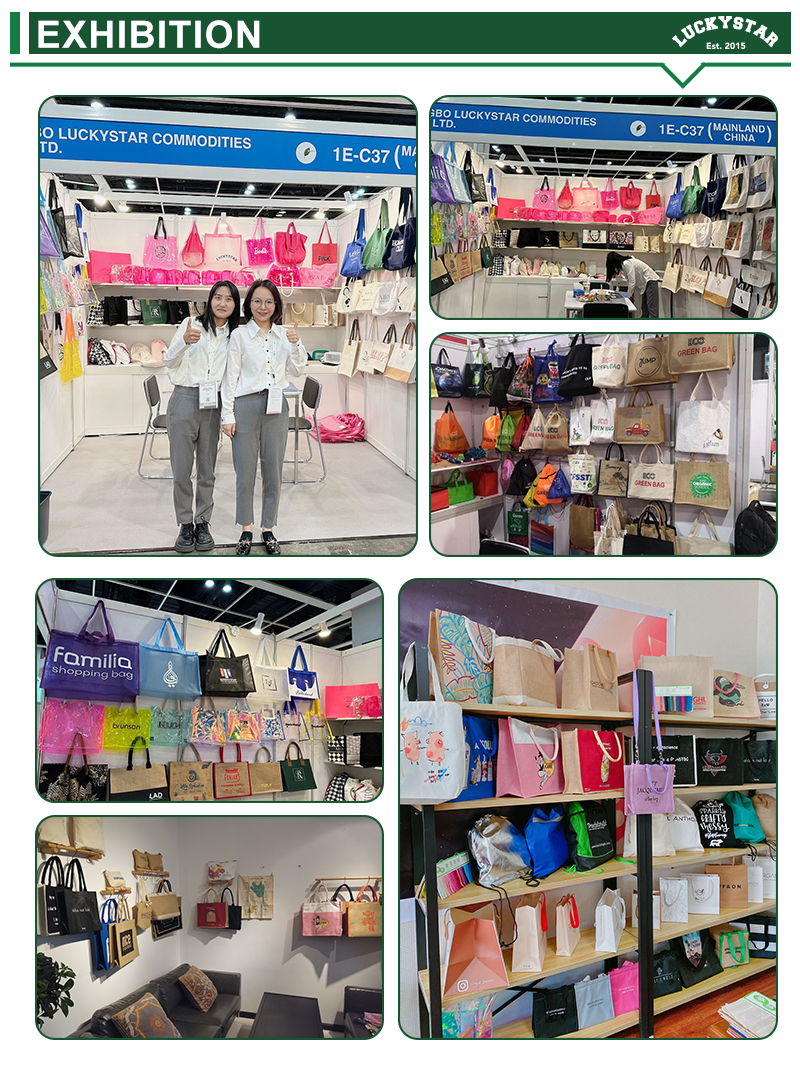
Protect presentation through packing and delivery
Define stacking direction, interleaving, handle position, moisture protection if supported, inner packs, carton dimensions and maximum weight. Run a packed-carton trial where crushing, abrasion or deformation is a concern.
Store allocation should identify size/design, quantity and carton labels. A visually approved bag can still arrive unusable if packing allows handles, corners or surfaces to be damaged.

Audit manufacturer and finisher roles
Identify the legal seller and parties responsible for substrate/material, forming or sewing, printing, special finishing, inspection and packing. A manufacturer claim does not establish that every process is performed or owned by one entity.
Require written substitution and change control. A new paper mill, fabric lot, laminate, ink, foil or subcontractor can change appearance and performance and may need renewed approval.
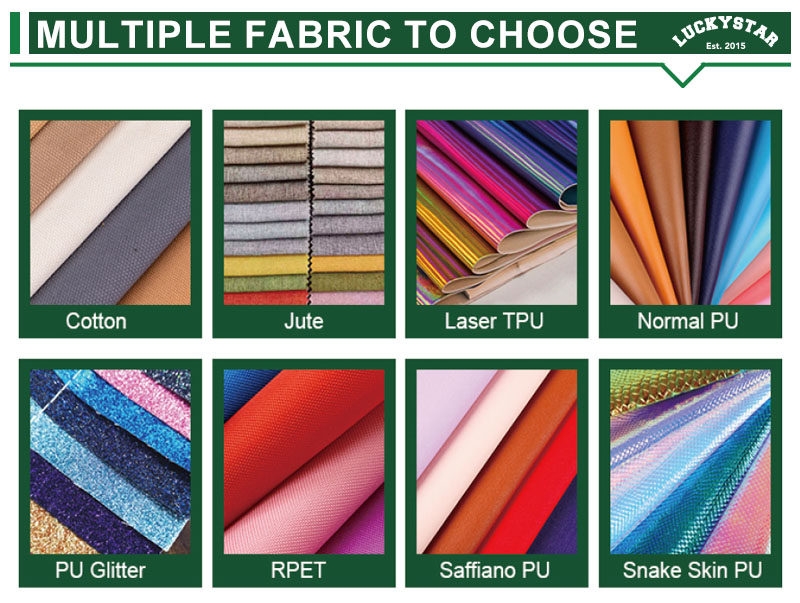
Premium retail bag release table
| Gate | Approve | Evidence |
|---|---|---|
| Pack/use | Product, box, tissue, load and handling | Complete filled trial |
| Structure | Material, dimensions, handle and reinforcement | Measured sample/test |
| Appearance | Color, print and special effects | Approved physical standard |
| Packing | Surface/shape protection and allocation | Packed-carton trial |
| Bulk | First output, inspection and changes | Lot release record |
Frequently asked questions
What makes a shopping bag luxury?
Translate the intended positioning into specific structural, appearance, handling and packing requirements, then approve evidence for each.
Is heavier material always better?
No. Select material and structure for the packed load, desired handling, finish and total system.
Should special finishes be approved digitally?
Use a physical production-representative standard because screen previews cannot establish texture, gloss, foil or embossing.
What belongs in final inspection?
Check version, dimensions, construction, handle, load-related criteria, color/print/effects, cleanliness, quantity, allocation and packing.
Related sourcing guides
Source and scope: Luckystar custom shopping-bag category and linked sourcing guides, checked September 21, 2026. They are format and process references, not proof of material grade, strength, luxury positioning, certification, factory ownership, fixed MOQ, price, capacity or delivery. Existing article images are illustrative and still require topic-relevance and publication-rights review.
Request a premium retail shopping-bag review
Send the complete packed item, bag format and dimensions, material/construction, handles, artwork/effects, quantities, handling test, inspection, packing, store allocation and required dates.
Use the website contact form or email a prefilled retail-bag RFQ. Review the draft before sending.
Material, finish, performance, roles, MOQ, price, availability, capacity and delivery are subject to specification and written confirmation.






