
Buyer quick answer
A multi-market custom shopping-bag program needs a shared core specification plus controlled regional variants for artwork, language, labels, claims, packing and delivery. Qualify the proposed supply route by documented roles, representative samples, version control, inspection and allocation.
Customer-proof boundary: A logo file, purchase order, invoice, commercial production authorization or branded sample does not by itself grant public case-study, endorsement or ongoing-customer rights. Obtain explicit publication permission before naming or displaying a customer relationship.
Planning a multi-market shopping-bag rollout? Send the core specification, regional variants, artwork authorization, SKU allocation and required dates for a program-control review.
Build a core-and-variant architecture
- Core: use/load, dimensions, material, handle, seams, reinforcement and closure.
- Brand: approved logo/artwork owner, file version, color, size and placement.
- Market: language, labels, claims, required evidence and packaging marks.
- Channel: SKU, quantity, pack format, carton label and fulfilment destination.
- Release: sample, inspection, allocation and approval status.
Give every combination a unique SKU or version identifier. Avoid storing key differences only in emails or filenames.
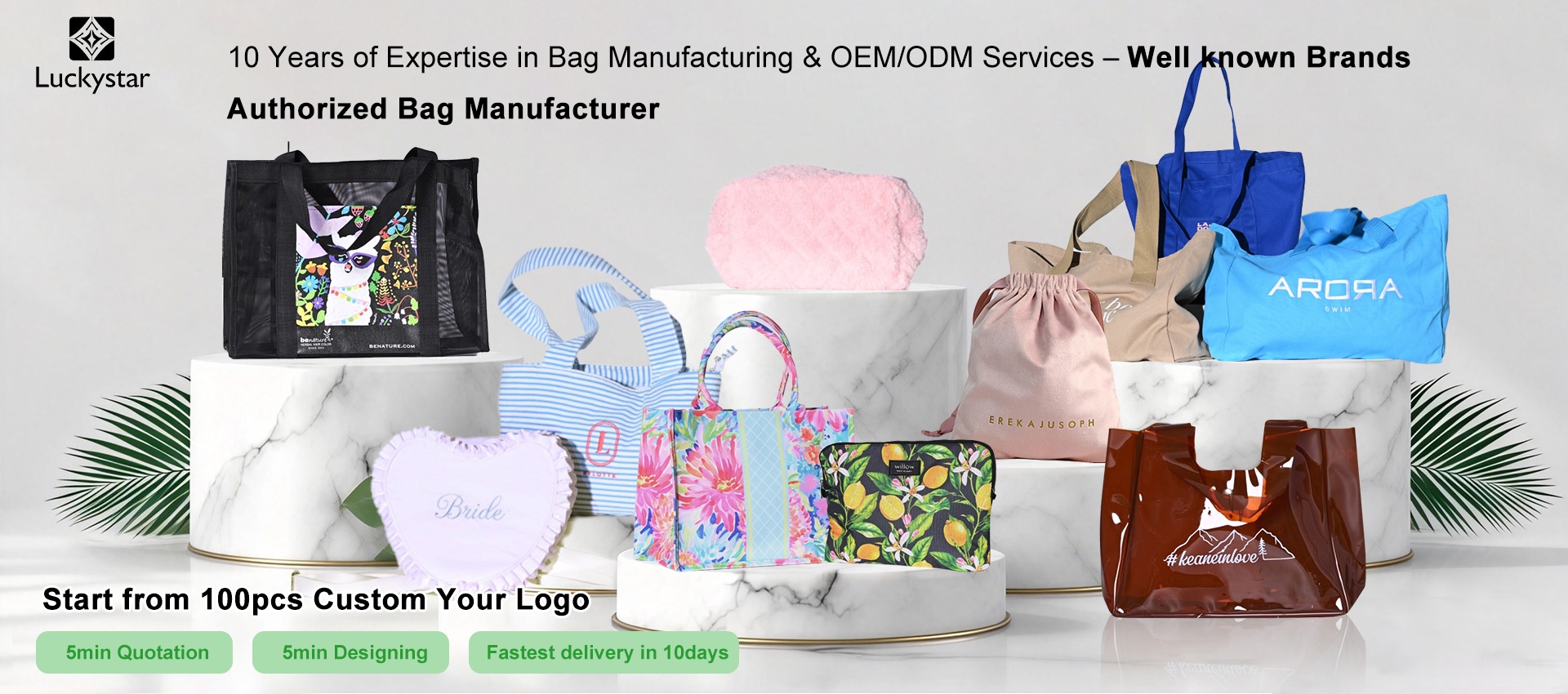
Confirm brand rights and publication rights separately
Before production, verify the buyer's authorization to reproduce trademarks, artwork and licensed characters for the stated product, quantity, geography, term and channel. Record the approved files and any mandatory brand standards.
Public marketing permission is a separate question. Do not turn confidential production records, branded samples or order documents into a website case study unless the authorization expressly permits public display and the intended wording, images and channels.
Freeze a measurable core bag specification
Define intended contents and target load, finished dimensions and gusset, material composition/construction/weight method, handles and attachments, seams and reinforcement, closure, tolerances, decoration, unit packing and cartons. Link this master version to each market variant.
Approve a production-representative sample and relevant handling or load checks. If a variant changes material, construction or logo process, state which approval must be repeated.
Map destination claims and documents
List each label, material, performance or environmental statement by market. Identify the product component, percentage or batch it covers and the applicable declaration, certificate or test. Route final wording through the buyer's destination-market review.
A supplier's general certificate or website statement does not automatically cover the ordered SKU. Keep document entity, scope, dates and product version connected.
Identify the real production and trade route
Record the legal seller, material supplier, maker, decorator, inspector, packer, exporter, importer of record, stockholder and fulfiller for the proposed order. “Direct factory,” “OEM” or “ODM” wording does not establish ownership, origin or control.
Define who approves substitutions and corrective actions. A change in material lot, maker, print process, origin, label or packing may require renewed sample, evidence or market approval.
Control allocation and delivery by SKU
Reconcile ordered, produced, inspected, packed, dispatched and received quantities by market/channel SKU. Define rules for overrun, underrun, mixed cartons, spare units and reallocating stock between destinations.
Build dated gates for artwork approval, material booking, sample or first output, inspection, transit and destination delivery. A global total can hide a shortage in one launch market.
Multi-market shopping-bag release table
| Gate | Control | Release evidence |
|---|---|---|
| Rights | Production authorization and separate publication status | Scope-specific approvals |
| Core product | Controlled bag and test requirements | Approved sample/results |
| Market | Artwork, language, labels and claims | Version/evidence register |
| Route | Production, trade and fulfilment roles | Written role/change map |
| Allocation | SKU counts, packing and destination dates | Inspection/dispatch reconciliation |
Frequently asked questions
Does permission to manufacture a logo product allow a public case study?
No. Public use needs express permission covering the customer identity, materials, wording, images, channel and period.
Does “global brand supplier” prove an ongoing relationship?
No. Claims about customers or endorsements require current, scope-specific publication evidence.
How should regional versions be controlled?
Use a core product version plus unique market/channel artwork, label, claim, packing and allocation identifiers.
What should be checked before dispatch?
Verify product/artwork/market versions, inspection status, SKU quantities, cartons, documents, destinations and delivery gates.
Related sourcing guides
Source and scope: Luckystar custom shopping-bag category and linked sourcing guides, checked September 21, 2026. They are format and process references, not proof of any named customer, endorsement, licensing right, public case-study permission, factory ownership, origin, fixed MOQ, price, capacity or delivery. Existing article images are retained as legacy illustrative assets and still require topic-relevance, trademark/customer-publication and image-rights review.
Request a multi-market shopping-bag program review
Send the core bag, market/channel variants, artwork authorization, claim evidence, SKU allocations, inspection, packing, destinations and required dates.
Use the website contact form or email a prefilled multi-market RFQ. Review the draft before sending.
Brand rights, publication permission, claims, route, material, MOQ, price, availability, capacity and delivery are subject to specification and written confirmation.






