
Buyer quick answer
Replace “eco tote” with the exact statement you intend to make: verified fiber and percentage, recycled or organic claim, certification scope, intended repeated use, durability target, restricted substances, recyclability conditions or another defined attribute. Then specify the bag and logo process and collect evidence for that exact claim.
Claim boundary: Natural color, a leaf icon, cotton-like texture, intended reuse or sourcing from Asia does not prove environmental benefit, recycled/organic content, biodegradability, compostability, recyclability or certification.
Planning a logo tote with an environmental message? Send the destination market, exact claim, bag specification, evidence requirement and quantities for a claim-to-document review.
Translate “eco” into a claim-evidence map
- Claim text: exact consumer-facing words and qualifying language.
- Scope: whole bag or named component, percentage, product/SKU and production period.
- Evidence: declaration, transaction/chain document, certificate or test that applies to the proposed order.
- Destination: market, channel and language where the claim will appear.
- Owner: party that verifies the evidence and approves final copy.
If evidence supports only a component, percentage or batch, keep the statement within that boundary.
Specify the tote independently of the claim
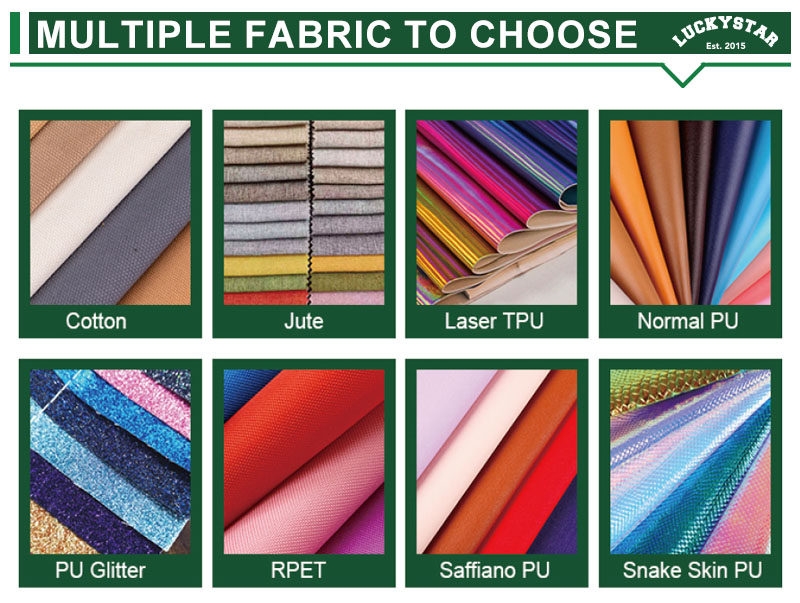
Record intended contents and target load, finished dimensions and gusset, material composition and construction, weight/thickness method, handles and attachments, seams and reinforcement, closure, tolerances, artwork, labels, unit packing and cartons.
Approve a production-representative sample. A material with an environmental attribute can still be unsuitable if the bag fails fit, handling, print or durability requirements.
Verify material identity and percentage
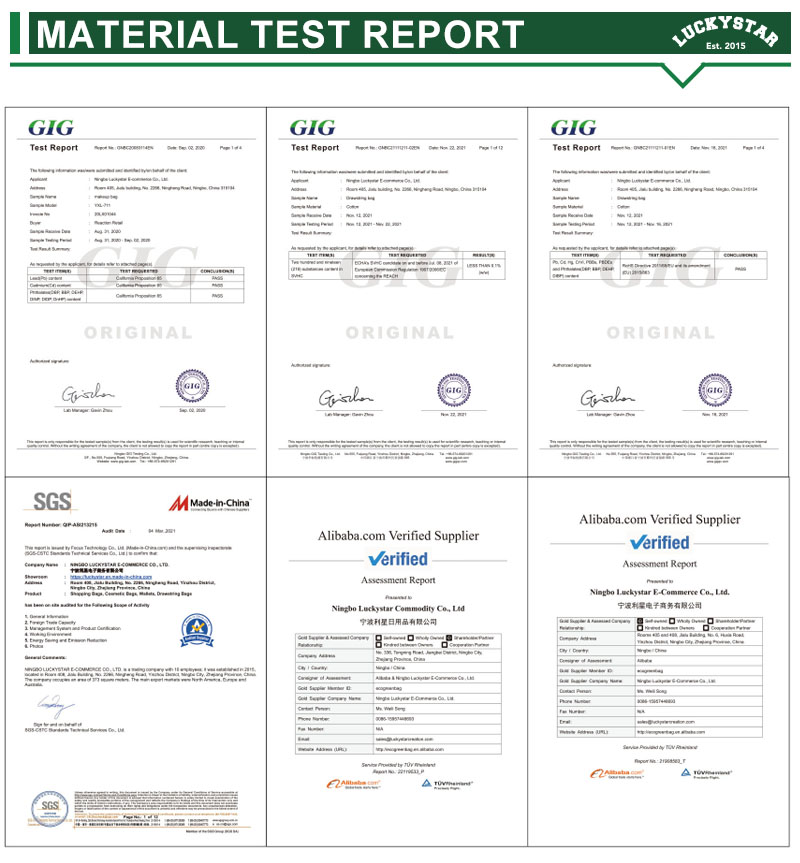
Request the exact fiber or polymer composition and the percentage basis for any recycled or organic content. Check that the named document covers the relevant material supplier, processor, product scope and validity period. Do not extend one component's evidence to the full bag.
Record trims, thread, coatings, interlinings, labels and inks separately where they affect the claim. Keep approved references and order-specific records for later review.

Qualify reuse and durability statements
Define the intended reuse scenario, contents, load, handling cycles and acceptance criteria. Test the production-representative bag for the relevant seams, handles, print and dimensional change. State what the result demonstrates without converting it into an unlimited lifespan promise.
Repeated-use potential is one product attribute. It does not alone establish lower overall environmental impact; that conclusion depends on boundaries and assumptions beyond a generic product description.
Check the logo and message together
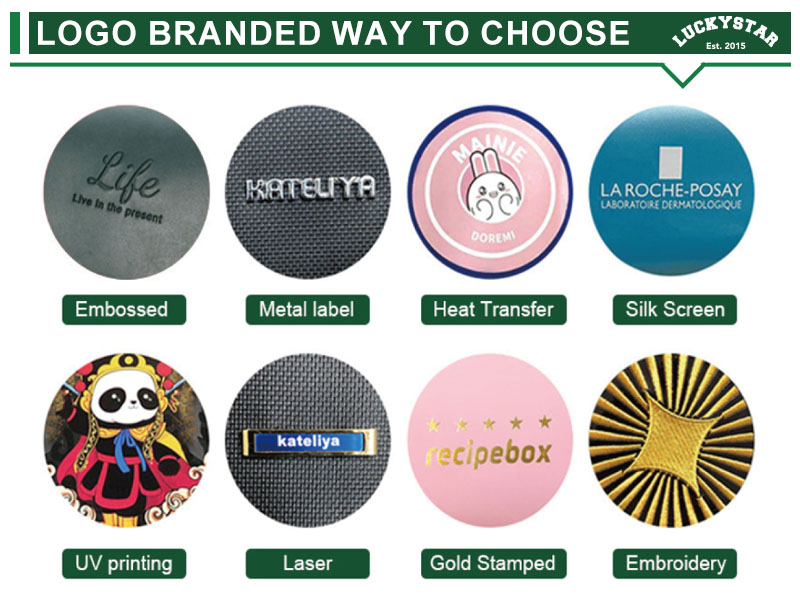
Approve artwork version, logo size, placement, color reference, registration and process on the production material. Also review environmental words, symbols, hangtags and packaging so they match the evidence and destination requirements.
A recycling symbol or nature-themed graphic can imply more than the supporting documents show. Route final claims through the buyer's compliance review before production.
Audit the Asia sourcing route
Asia is a region, not a single production system. Identify the legal seller, material supplier, maker, decorator, inspector, exporter and country of origin for the proposed order. Verify documents against those roles and the actual product.
Record substitutions and change-control rules. A new material source, percentage, finish, ink, factory or production country may require renewed evidence and claim review.
Logo tote claim-release table
| Gate | Approve | Evidence |
|---|---|---|
| Claim | Exact words, scope and destination | Claim-evidence map |
| Material | Composition, percentage and components | Applicable order documents |
| Use | Load, cycles and acceptance criteria | Defined test/result |
| Artwork | Logo, symbols, tags and qualifiers | Approved copy/artwork |
| Route | Parties, origin and substitutions | Role/change record |
Frequently asked questions
Can a tote be called eco-friendly because it is reusable?
A broad environmental conclusion needs defined scope and substantiation. State a narrower, evidenced attribute where appropriate.
Does natural-colored fabric prove organic cotton?
No. Color and appearance do not prove composition, percentage or certification.
Does a supplier certificate cover every tote?
No. Check entity, material, process, product scope, dates and order-level chain requirements.
What should be approved before printing?
Approve the product specification, representative sample, exact claim and qualifier, applicable evidence, artwork, inspection plan and route.
Related sourcing guides
Source and scope: Luckystar custom tote-bag category and linked sourcing guides, checked September 21, 2026. They are format and process references, not proof of environmental benefit, recycled/organic content, biodegradability, compostability, recyclability, certification, origin, factory ownership, fixed MOQ, price or delivery. Existing article images are illustrative and still require topic-relevance and publication-rights review.
Request a logo-tote claim and sourcing review
Send the destination, exact environmental statement, bag and artwork specification, material percentage, evidence requirement, use test, quantity, inspection, packing and delivery request.
Use the website contact form or email a prefilled claim-review RFQ. Review the draft before sending.
Claims, evidence, material, certification scope, origin, MOQ, price, availability, capacity and delivery are subject to specification and written confirmation.






