Buyer quick answer
For a custom bag order, start with the end use, dimensions, material, construction, branding, packing and quality expectations. A capable supplier should explain trade-offs, document the sample, control bulk production and provide evidence for critical quality claims.
Scope: This page focuses on the supplier checks implied by Custom Garment Bags Wholesale: How Buyers Choose the Right Bag. The pillar guide covers the broader manufacturer-selection framework.
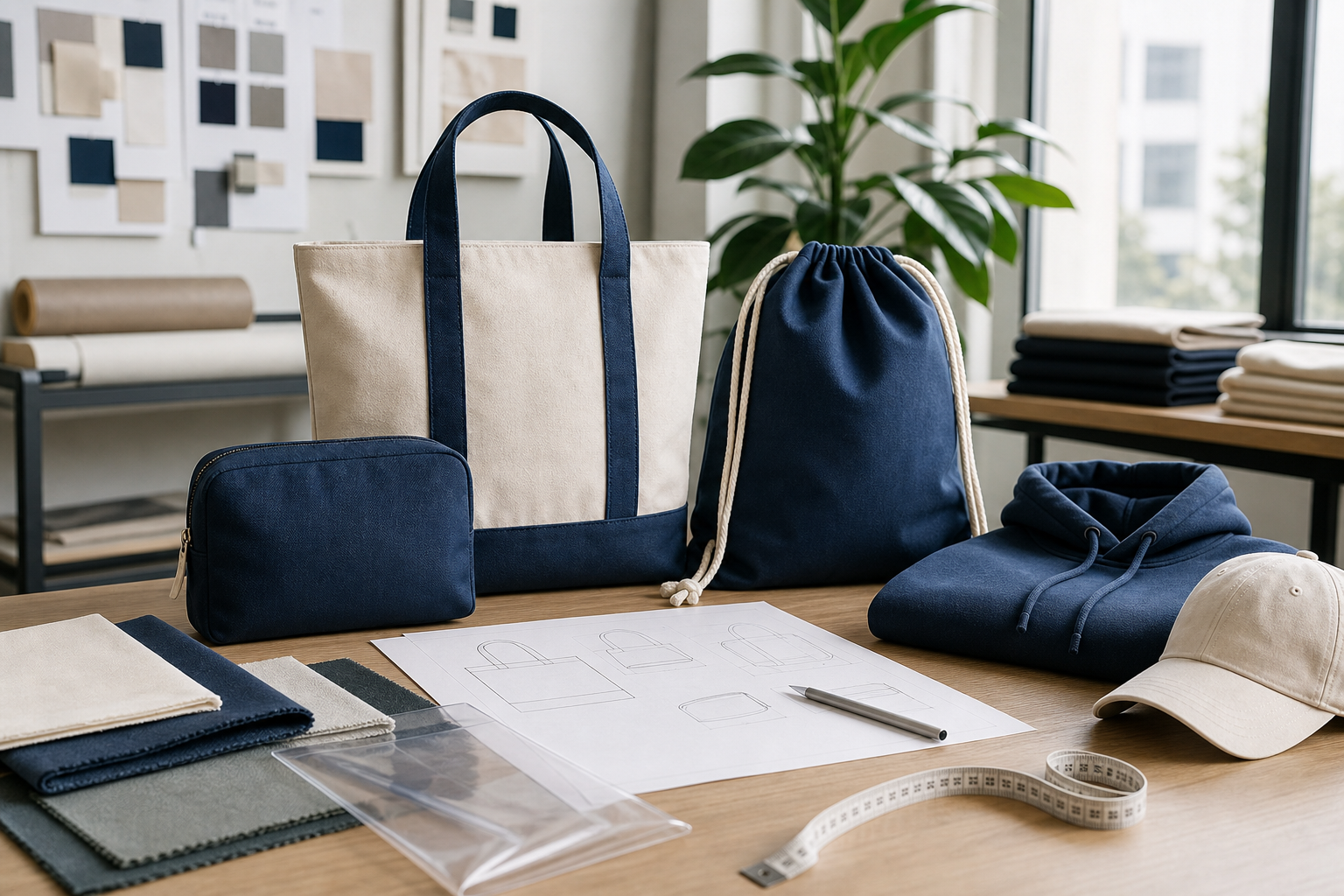
Quoting garment bags for an apparel program? Send garment dimensions and handling route, material/closure/handles, branding, quantities by SKU, packing, destination and arrival date. Request a construction-specific sample and written quality, production and pricing assumptions.
A garment bag may look like a simple packaging product.
But for apparel brands, retailers, and promotional buyers, it often has several jobs at the same time.
An appropriately specified and tested construction may protect clothing against the agreed handling conditions.
It keeps products organized.
It supports the brand image.
It helps employees, customers, or event participants carry items more easily.
This is why companies searching for custom garment bags wholesale usually have more questions than just price.
They need to know:
- Is the bag suitable for the clothing type?
- Can the material handle repeated use?
- Will the logo still look good after production?
- Can the supplier maintain the same quality for future orders?
The wrong bag choice usually creates problems later.
A bag that looks acceptable in a catalog may not work well during packing, shipping, or customer use.
Why garment bags are becoming more important for brands
Packaging has become part of the customer experience.
Many companies are moving away from disposable solutions and choosing reusable bags that continue to provide value after the first use.
A customized garment bag can support different applications:
| Application | Common Use |
|---|---|
| Fashion retail | Protect purchased clothing |
| Brand events | Distribute uniforms or merchandise |
| Hotels | Guest garment storage |
| Schools | Training apparel programs |
| Corporate gifts | Organized product presentation |
For some businesses, the bag is simply protection.
For others, it becomes a mobile branding tool.
Not every garment bag serves the same purpose
One common sourcing mistake is assuming every garment bag is the same.
They are not.
Different projects require different structures:
| Bag Type | Best Used For |
|---|---|
| Garment cover bag | Suits, dresses, long-term storage |
| Reusable tote bag | Events, promotions, retail carry |
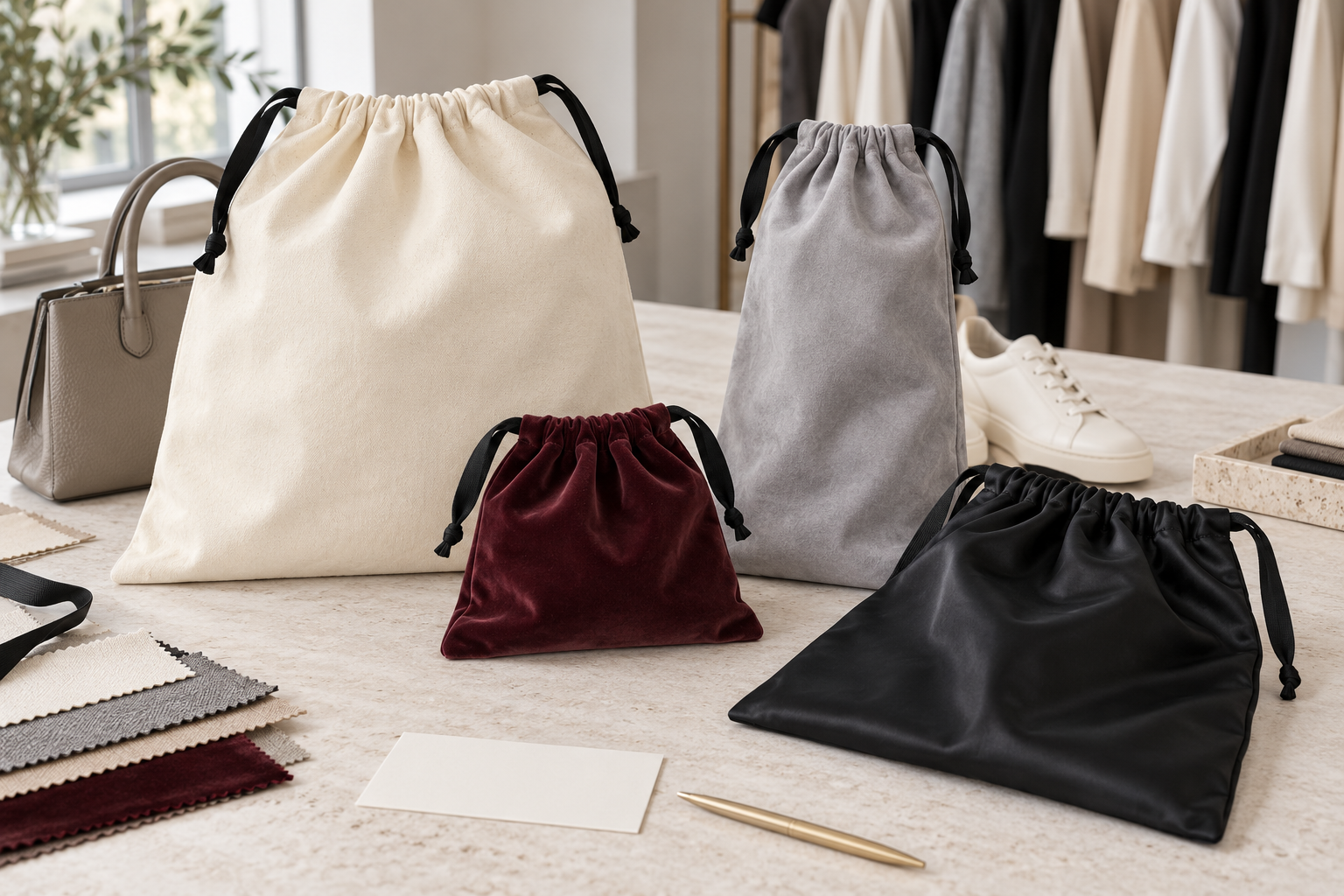
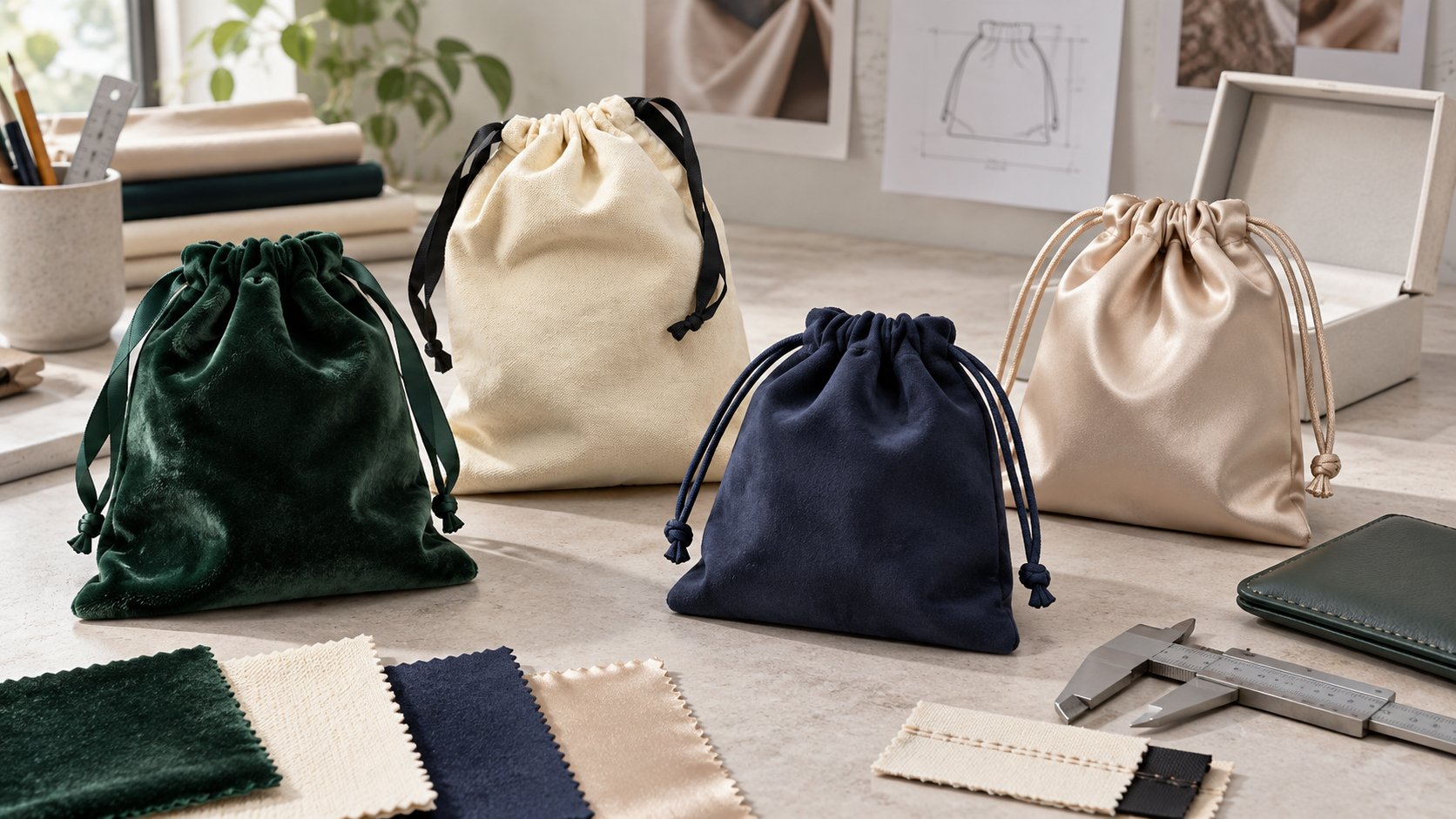
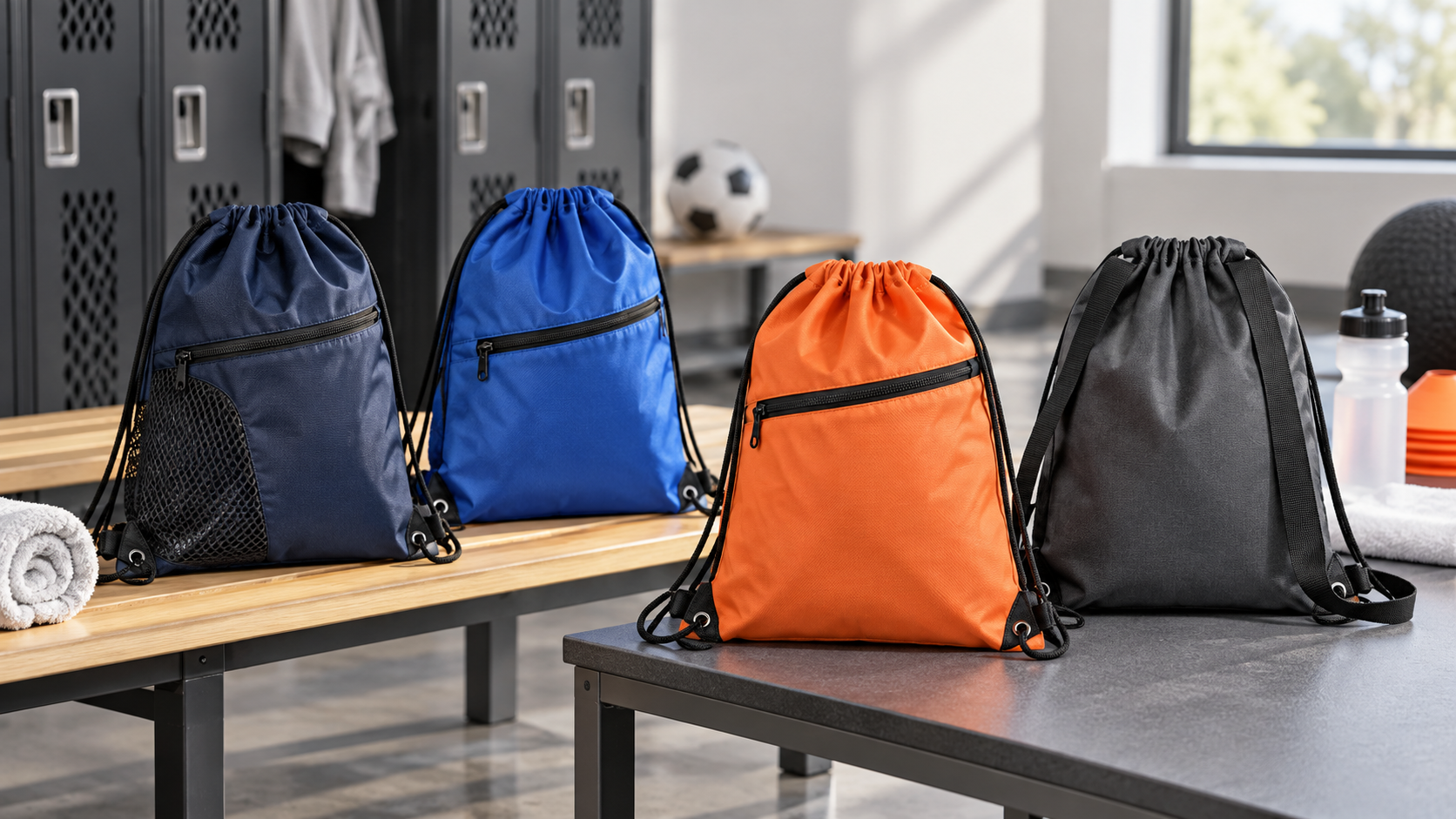
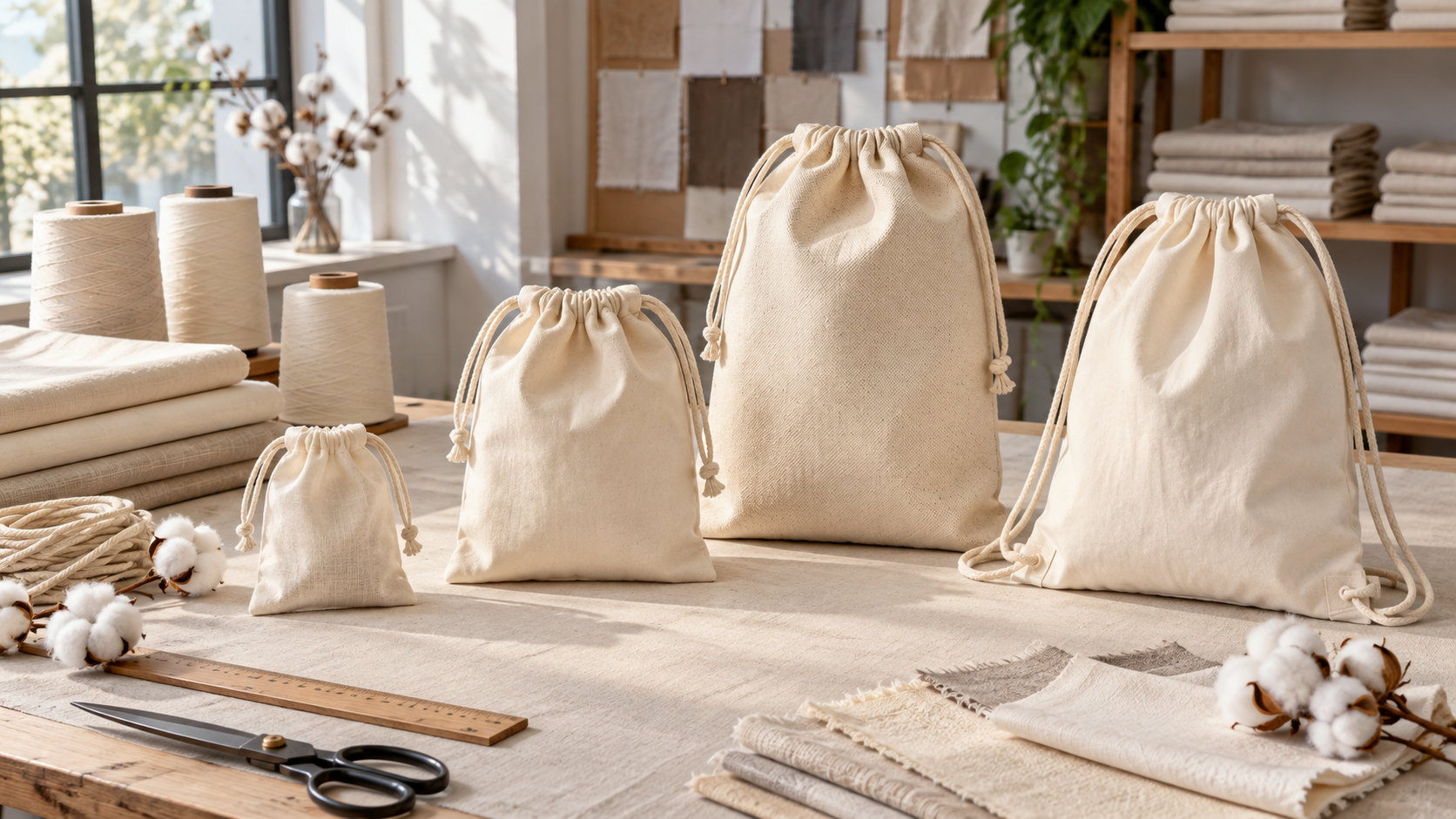
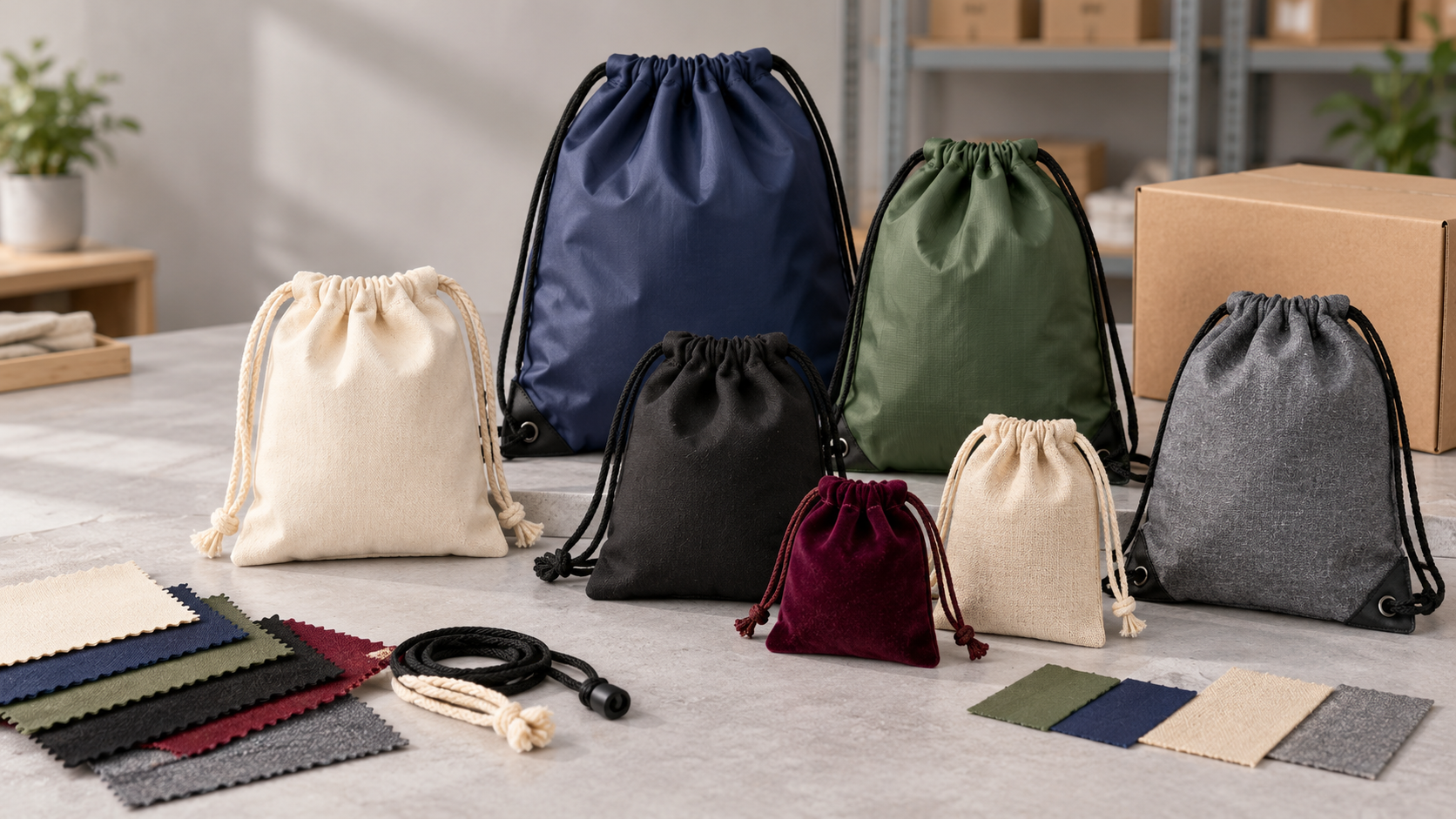
| Drawstring clothing bag | Lightweight apparel packaging |
| Non-woven garment bag | Cost-effective bulk programs |
| Canvas garment bag | Premium reusable applications |
A promotional event may only need a lightweight branded bag.
A clothing manufacturer shipping valuable apparel may need stronger protection.
The usage should decide the construction.
Understanding the product style buyers often choose
The product example represents a lightweight reusable apparel bag style.
The visible characteristics include:
- Soft textile body
- Large branding area
- Short carry handles
- Simple open structure
- Lightweight construction

This type of bag is commonly used for:
- Promotional programs
- Training kits
- Uniform distribution
- Retail packaging
- Brand campaigns
It is designed for convenience rather than heavy protection.
That difference should be clear before ordering.
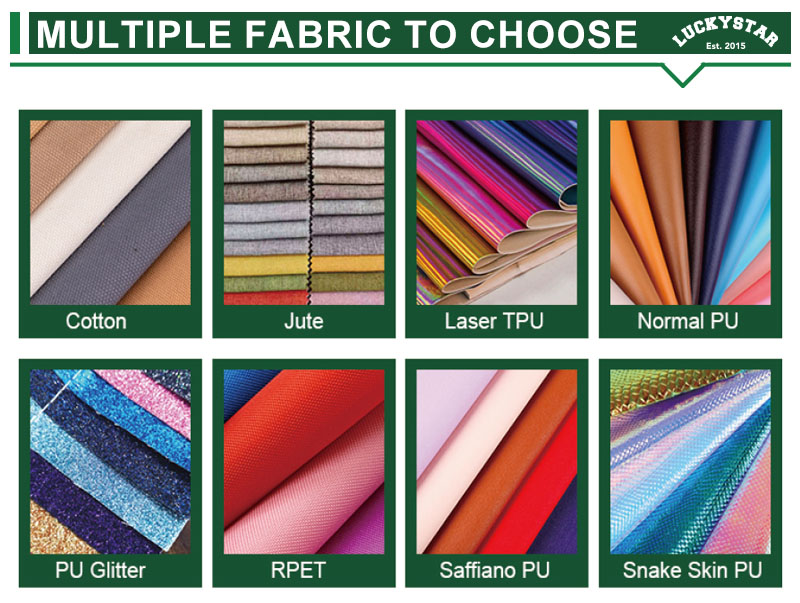
Material selection affects cost and customer perception
The material determines:
- Appearance
- Durability
- Printing result
- Shipping weight
- Overall price
Common options include:
| Material | Traits to verify on the sample | Suitable For |
|---|---|---|
| Non-woven Fabric | Cost and weight by grade | Large promotions |
| Polyester | Flexibility and wear under intended use | Travel and uniforms |
| Cotton Canvas | Hand feel and repeat-use performance | Fashion brands |
| PEVA/PVC | Actual protection and cleaning method | Storage bags |
| Jute | Natural appearance | Natural look; environmental claims need evidence |
For apparel programs, the cheapest material is not always the best choice.
The material should match:
- Product value
- Usage frequency
- Customer expectation
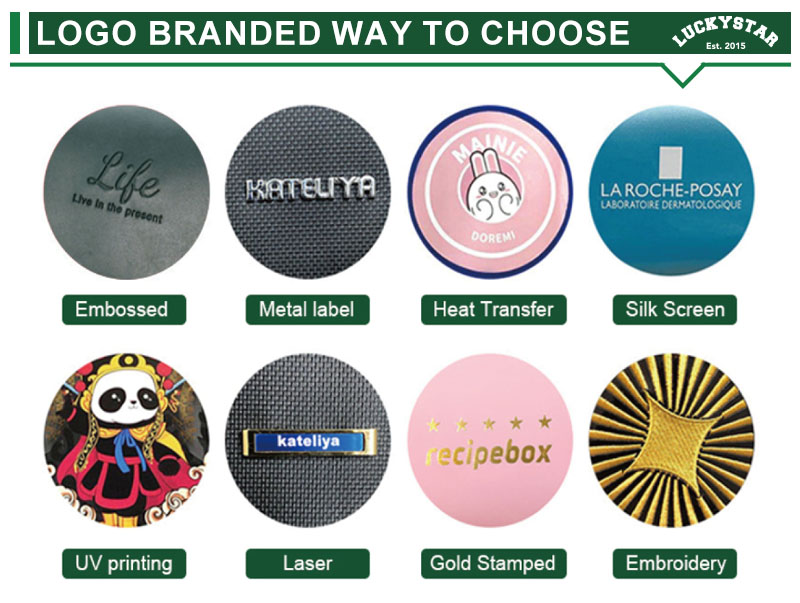
Branding options for custom garment bags
A garment bag often has a large flat surface.
That creates a valuable branding opportunity.
Common customization methods:
| Method | Suitable For |
|---|---|
| Screen Printing | Simple logos and bulk orders |
| Heat Transfer | Detailed graphics |
| Embroidery | Premium textile bags |
| Woven Label | Minimal brand identity |
| Custom Color | Brand consistency |
Before production, buyers should confirm:
- Logo size
- Print position
- Color requirements
- Sample approval
A logo that looks balanced on artwork may need adjustment on the actual bag panel.

Construction details buyers should check
Simple bags still require careful manufacturing.
Important areas include:
| Detail | Why It Matters |
|---|---|
| Handle stitching | Check load and seam strength |
| Seam quality | Improves durability |
| Fabric weight | Affects product feeling |
| Edge finishing | Improves appearance |
| Packaging method | Verify shipping protection in packing test |
These details often separate a reliable supplier from a low-cost option.
Comparing garment bags with other packaging products
Buyers sometimes compare garment bags with:
- Shoe packaging bags bulk
- Gift shopping bags wholesale
- Promotional tote bags
- Clothing storage bags
Although they look similar, their functions are different.
| Product | Main Purpose |
|---|---|
| Garment bag | Protect and organize apparel |
| Gift bag | Improve presentation |
| Shopping bag | Carry purchases |
| Shoe bag | Protect footwear |
Choosing the wrong category can create unnecessary cost or poor user experience.
Common mistakes in garment bag sourcing
Choosing only based on price
A low quotation may hide problems:
- Thin material
- Weak handles
- Poor printing
- Inconsistent production
For wholesale projects, stability usually matters more than the lowest initial price.
Not explaining the final application
A supplier needs to know:
- What clothing will be stored?
- How will customers use the bag?
- Is reuse expected?
- Is the bag for retail or promotion?
Without this information, even a capable factory may recommend the wrong structure.
Skipping sample confirmation
Samples help buyers evaluate:
- Material feeling
- Actual size
- Logo effect
- Handle comfort
This step can prevent expensive changes after bulk production.
What buyers should look for in a garment bag manufacturer China
A reliable garment bags manufacturer China should provide more than production capacity.
Look for:
| Capability | Buyer Benefit |
|---|---|
| OEM service | Custom designs |
| Material knowledge | Better recommendations |
| Sample development | Lower risk |
| Quality control | Stable production |
| Export experience | Smoother delivery |
For international buyers, communication is part of manufacturing quality.
OEM garment bag solutions from Luckystar
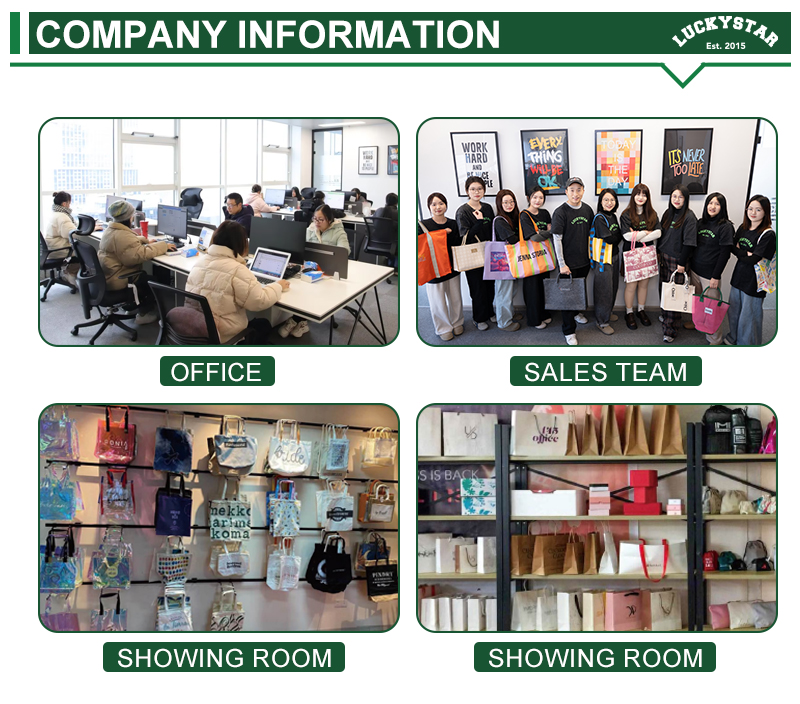
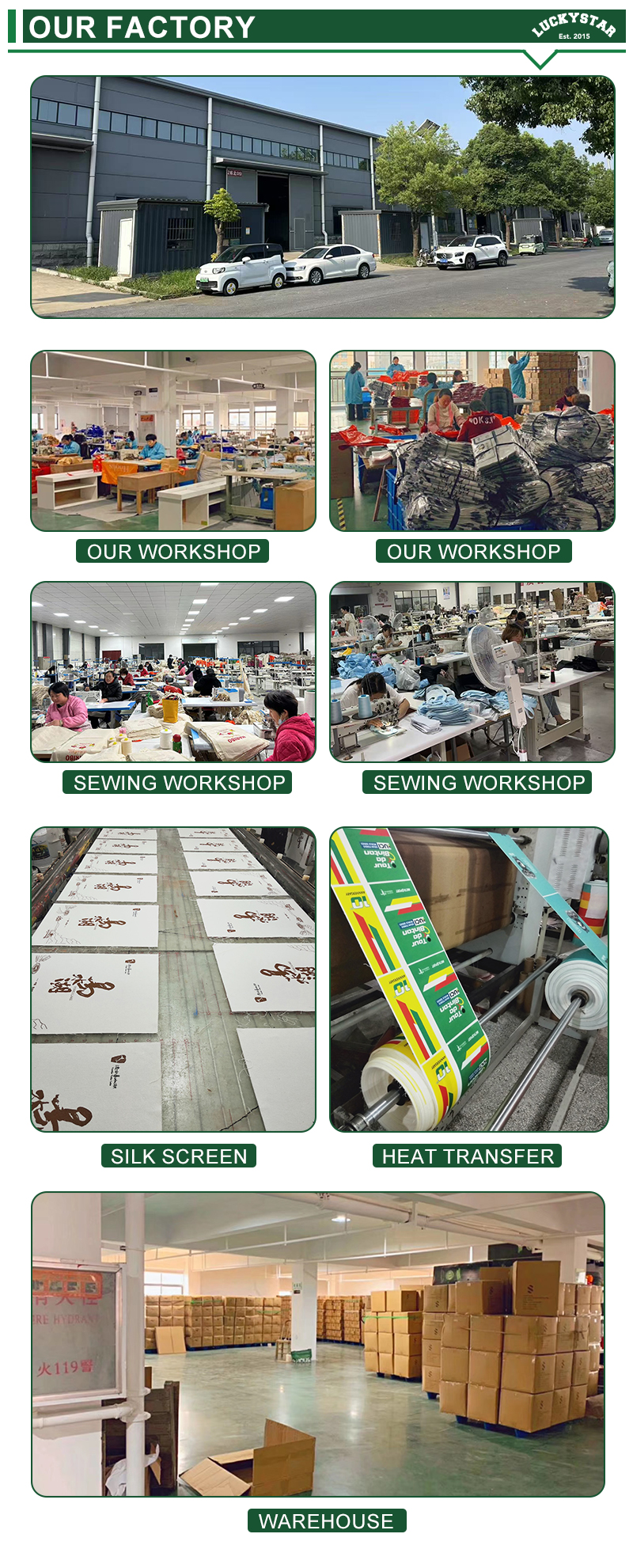
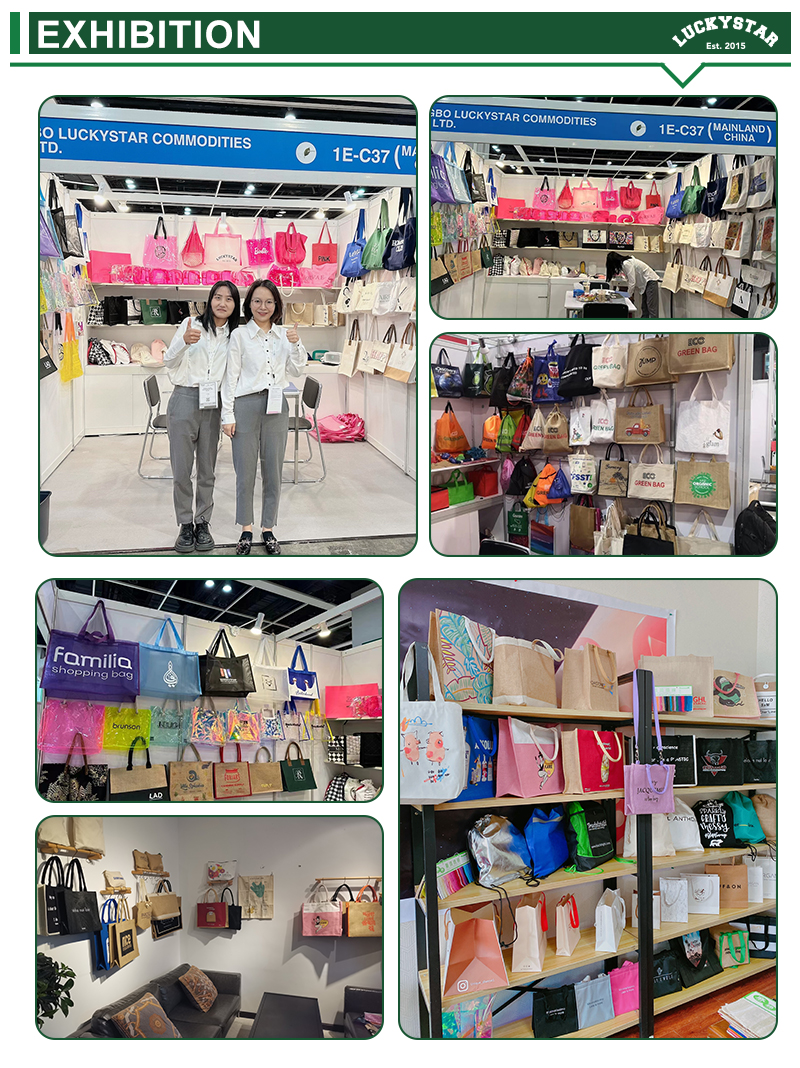
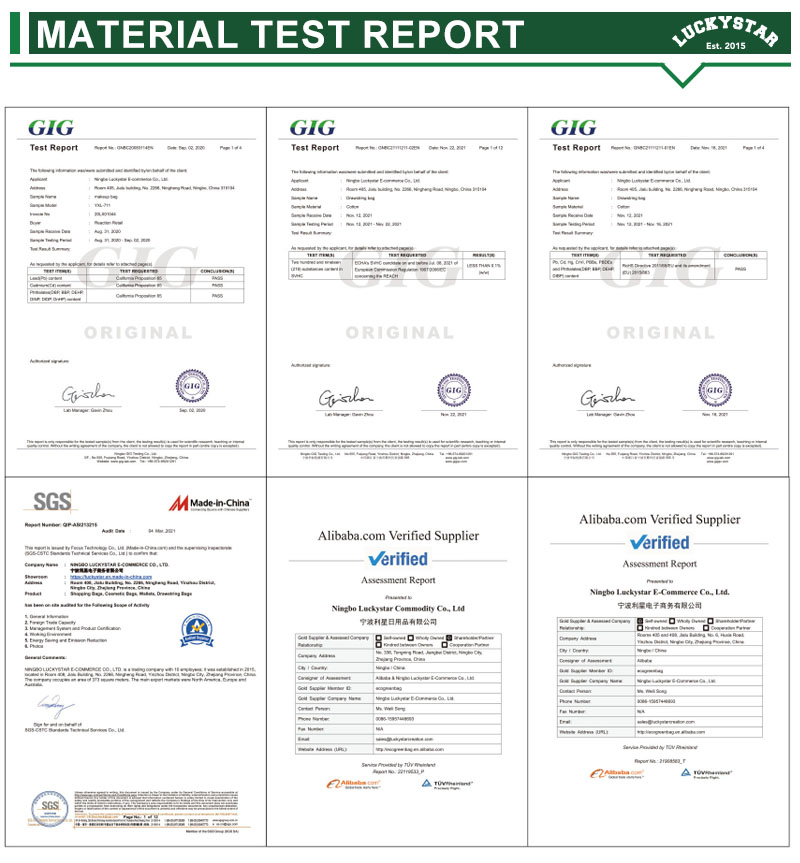
Company-claim boundary: this section is publisher self-description, not an independent supplier audit. The site is associated with Ningbo Luckystar Commodities Co., Ltd.; that does not establish seller/payee on a future order or prove factory ownership, capacity, certification, protection level, price or delivery. Confirm the named parties, sites, sample, tests, inspection and commercial terms for the actual order.
LUCKYSTAR describes OEM/ODM project support for customized bags and packaging; request the proposed seller/payee, actual production and inspection sites, sample scope and a written order plan.
Capabilities include:
✓ Custom garment bags
✓ Apparel packaging bags
✓ Promotional bags
✓ Canvas tote bags
✓ Drawstring pouches
✓ Cosmetic packaging bags
The project route to confirm in writing may include:
- Product discussion
- Material selection
- Sample approval
- Bulk production
- Quality inspection
- Shipment preparation
Buyer checklist before requesting a quotation
Prepare:
| Information | Example |
|---|---|
| Bag type | Garment cover / tote / pouch |
| Material | Canvas / polyester / non-woven |
| Size | Clothing dimensions |
| Logo | Printing method |
| Quantity | Bulk requirement |
| Usage | Retail / event / storage |
| Delivery | Required date |
A detailed request usually creates a faster and more accurate quotation.
Final thoughts
Custom garment bags wholesale are not just another packaging purchase.
They influence:
- Product protection
- Customer experience
- Brand presentation
- Operational efficiency
The best supplier relationship starts with a clear understanding of the end use.
When buyers explain what the bag needs to do, manufacturers can create a solution that fits the real application.
Custom Garment Bags From Luckystar
Comparing garment-bag supply routes for an apparel program?
LUCKYSTAR presents the following product categories for buyer inquiry; availability and production route need current confirmation:
✓ Garment bags wholesale
✓ Apparel packaging bags
✓ Promotional clothing bags
✓ Reusable storage bags
✓ OEM/ODM production
Send your design, quantity, material preference, and usage scenario.
Our team can help develop a suitable solution.

FAQ
What are custom garment bags used for?
They are used for clothing storage, retail packaging, promotional events, uniforms, and apparel programs.
Can garment bags include custom logos?
Potential decoration methods depend on the selected fabric and construction. Approve artwork and a sample on the specified material before ordering.
What material is best for garment bags?
It depends on the garment, handling route, required protection, cleaning and reuse expectations. Compare approved material samples and order-specific handling results before choosing.
How do I choose a garment bag supplier?
Check manufacturing experience, customization ability, sample process, quality control, and repeat production capability.
For current project enquiries, use the website contact form to confirm the responsible sales contact and legal seller for the quotation.
Related sourcing guides

Request a garment-specific sample and quote
Define the actual garments and route: retail carry, storage, transport or shipment. Confirm bag dimensions, material, closure, reinforcement, decoration, quantities and packing, then agree sample and inspection criteria for that route.
Review the bag product range, then submit the garment-bag brief or Email a project brief. The email link opens a prefilled draft for your review before sending.
Seller/payee, sites, materials, artwork rights, performance, tests, MOQ, price and delivery are subject to current evidence, final specification, quotation, contract and written confirmation.