
Branded Makeup Organizers Bulk Buy: The Small Product Detail That Can Change a Beauty Brand’s Packaging
Buyer quick answer
For a custom cosmetic-bag order, start with the intended contents, finished size, structure, lining, zipper and logo method. Approve the logo on the actual production material because color, texture and heat can change the result.
Scope: This page focuses on the specific product decision behind Branded Makeup Organizers Bulk Buy: What Buyers Should Check; the linked pillar guide covers broader factory sourcing.
Comparing bulk makeup organizers? Send intended contents, organizer size/structure, fabric and lining, zipper, compartments, logo artwork, quantities by variant, packing and destination. Ask for a decorated production-material sample and separate stock versus custom quotations if both routes are available.

A makeup organizer is one of those products that looks easy until you actually have to source it.
At first, the buying request sounds simple:
“We need a cosmetic organizer with our logo.”
But once the project moves from an idea into production, the details start showing up.
Which fabric feels right?
Should the pouch be soft or slightly structured?
Will the logo still look good after printing?
Can the factory reproduce the same quality six months later?
Those are the questions that usually matter more than the product photo.
That is why many beauty companies, gift suppliers, and retailers spend time comparing branded makeup organizers bulk buy options before placing a production order.
The item may be small.
The impact on the customer experience is not.
Why brands are adding organizers to beauty products
Packaging has changed.
Years ago, many companies focused mainly on the box, bottle, or outer label. The extra accessories were often treated as something optional.
Today, many beauty brands look at the whole unboxing experience.
A reusable makeup organizer can become part of that experience.
A buyer can design for later use, but actual customer retention and pouch lifespan depend on construction and behavior; do not assume a duration without evidence.
Buyers may consider a textile organizer for beauty kits, travel collections, promotions and gift sets. Test its usefulness and presentation with the intended contents; repeated use and perceived value need buyer or customer evidence.
What type of organizer are buyers usually sourcing?
The product style in this category is generally a soft cosmetic pouch with a practical everyday shape.
Common features include:
| Item | Typical Requirement |
|---|---|
| Material | Cotton, polyester, quilted fabric, or blended textile |
| Shape | Rectangle or rounded rectangle |
| Closure | Zipper or drawstring |
| Interior | Easy-to-clean lining |
| Branding area | Front panel or side label |
| Usage | Makeup, skincare, travel accessories |
The reason this format remains popular is simple.
It does not feel like disposable packaging.
It feels like something customers can actually use.
That difference matters.
A useful pouch may encourage retention, but verify this with the target audience rather than assuming a higher keep rate.
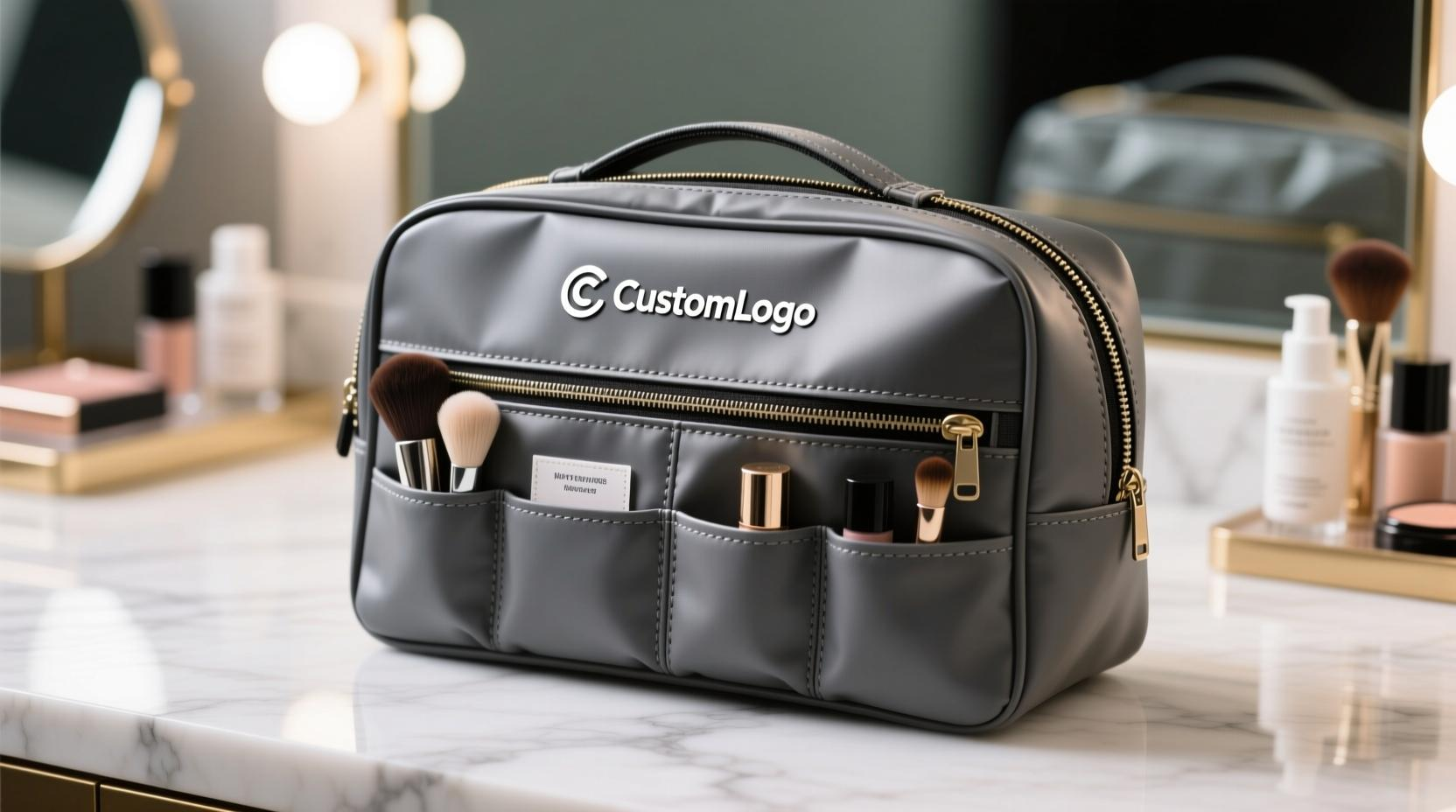
Bulk purchase or custom design? Most buyers choose a middle ground
There is a common misunderstanding in sourcing.
Some buyers think they need either:
- a cheap standard product, or
- a completely custom design.
A buyer can compare stock, decorated-standard and fully custom routes when each is actually available for the current specification.
A supplier may propose an existing pouch structure; request a current sample and production-route details.
The buyer then adjusts:
- fabric color
- logo
- zipper style
- label
- packaging
Compare setup charges, component minimums, unit cost and sample quality before deciding whether this route balances cost and differentiation.
| Production Method | Good Choice For | Advantage |
|---|---|---|
| Ready stock | Short campaigns | Confirm actual stock, timing and total cost |
| Logo customization | Beauty gifts and promotions | Brand visibility without redesign |
| OEM development | Private label brands | Approve each custom specification and change |
For most companies, the question is not “How customized can we make it?”
The better question is:
“How much customization actually improves the customer experience?”
Fabric choice changes the brand impression
One thing buyers sometimes underestimate is fabric.
The same pouch shape can feel completely different depending on the material.
A thin polyester pouch may work perfectly for a large promotional event.
A padded quilted organizer may make more sense for a premium skincare collection.
The product function is similar.
The customer perception is not.
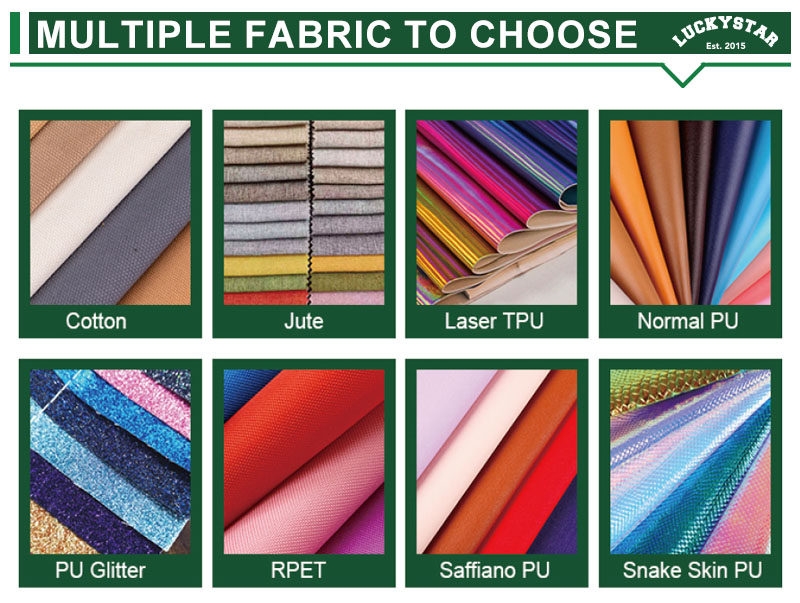
Material comparison
| Material | Common Application | Brand Feeling |
|---|---|---|
| Cotton canvas | Natural beauty brands | Compare texture; substantiate any environmental claim |
| Polyester | Promotional programs | Compare finish and current quote |
| Quilted fabric | Gift sets | Assess hand feel on the actual sample |
| Velvet | Luxury products | Elegant |
| Nylon | Travel products | Test construction for the intended use |
There is no universal “best” material.
The right choice depends on where the organizer will appear and who will receive it.
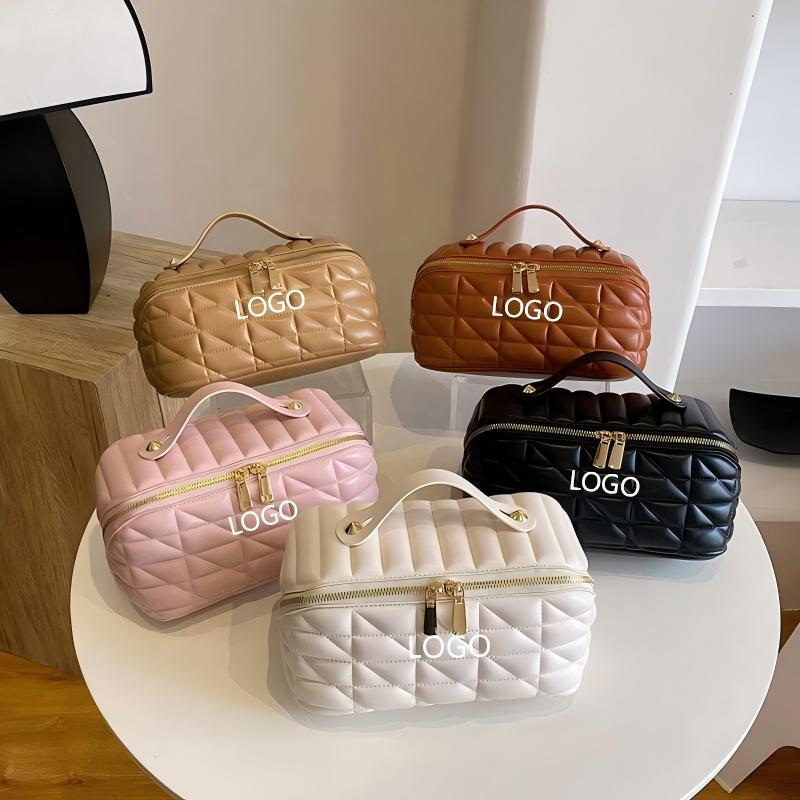
Logo customization: small detail, big difference
Many buyers spend weeks selecting artwork.
Then they discover the logo does not look the same on fabric as it did on a computer screen.
This happens often.
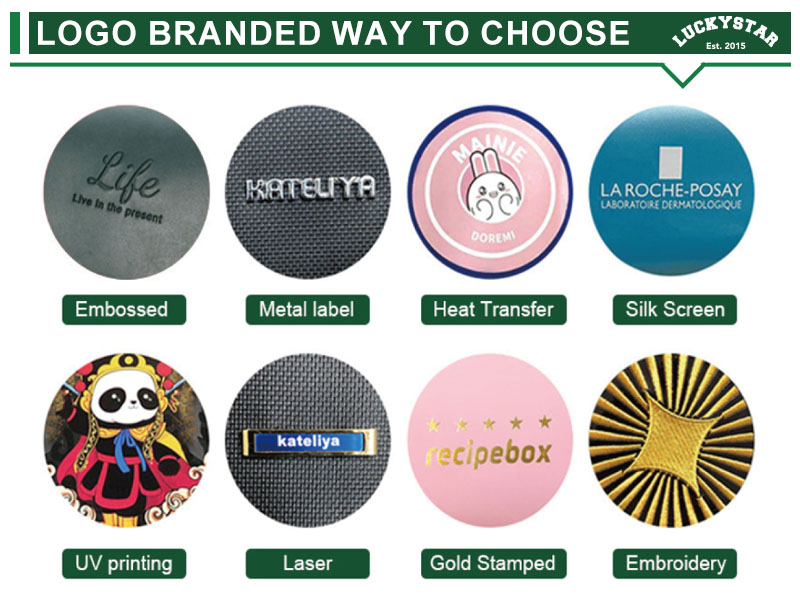
Textile surfaces absorb ink differently. Stitch density changes embroidery appearance. Small details can disappear when the logo size is reduced.
Before approving bulk production, buyers should check:
- actual logo sample
- print position
- color matching
- fabric reaction
- overall balance
A logo should look like part of the product.
Not something added afterward.
What buyers should ask a supplier before ordering
Experienced buyers usually ask fewer questions, but better ones.
Instead of only asking:
“How much is it?”
They usually ask:
“Can you make the same product again next season?”
That is where supplier ability becomes important.
A basic checklist:
| Area | Buyer Question |
|---|---|
| Factory experience | Have you produced similar products before? |
| Material | Can the same fabric be supplied repeatedly? |
| Sample | Can we approve a production sample first? |
| Quality | How are defects checked? |
| Delivery | Can production timing be maintained? |
The first sample creates interest.
Production consistency creates long-term cooperation.
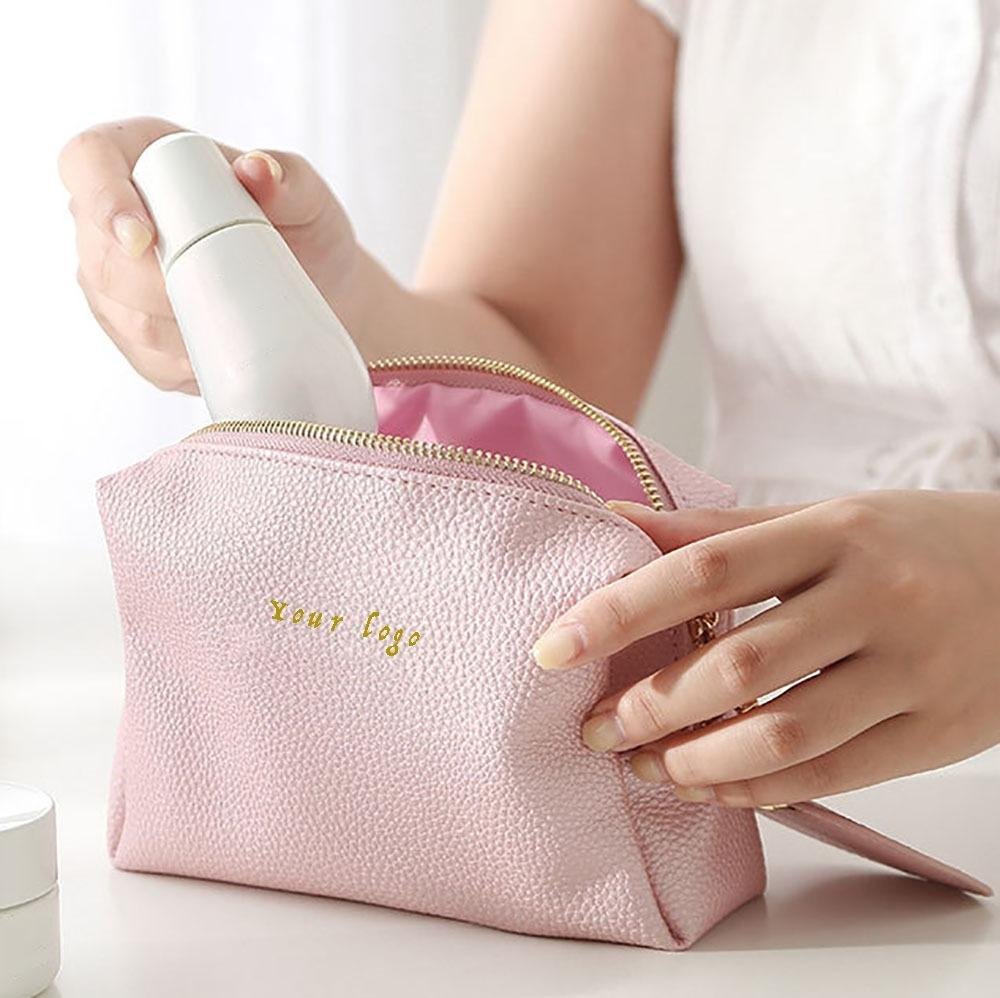
Why some companies look for branded makeup organizers direct
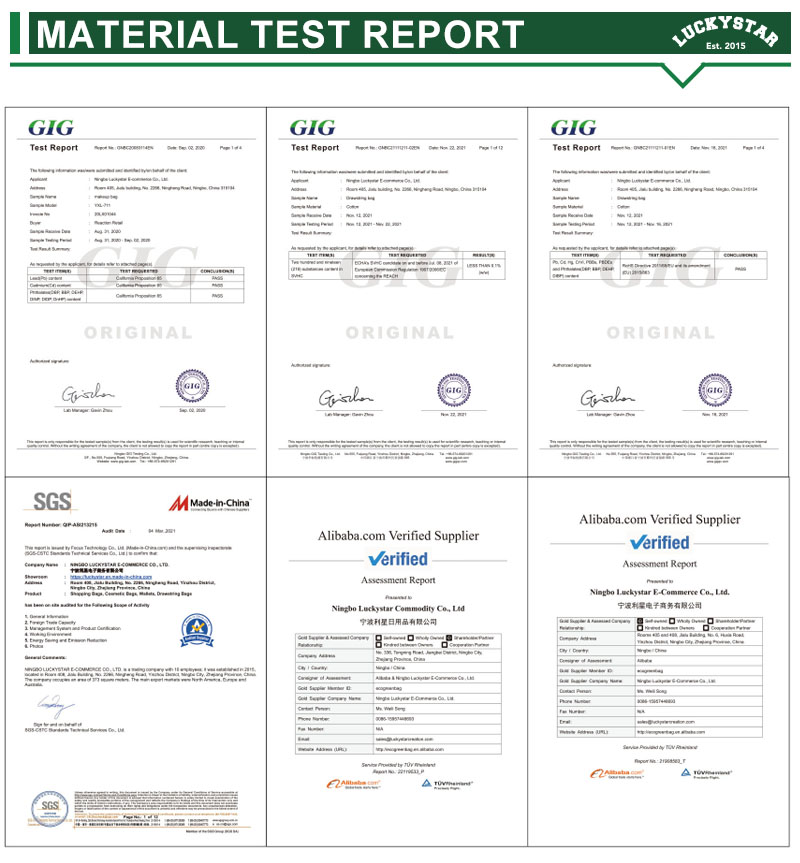
Supplier-claim boundary: “direct” is a sourcing question, not proof that the website owns a factory or that every item is made at one site. Identify seller/payee, sampling, production, decoration and inspection parties for the actual order; confirm stock, materials, capacity, price and timing in writing.
The word “direct” appears often in B2B searches because buyers want fewer communication problems.
Early discussion with the actual production and sampling team can clarify feasible design changes; request the team and site for this project rather than assuming direct factory ownership.
For example:
A buyer sends a reference photo.
The factory may notice:
- the fabric is difficult to source
- the zipper needs adjustment
- the logo area is too small
- the structure needs reinforcement
Ask who performs sampling, production and quality checks, and record technical decisions on the approved sample.
For repeat orders, request the legal seller, actual production site, approved sample, component identity, change controls and inspection records; a “direct” label alone does not prove consistency.
Common mistakes in organizer sourcing
1. Looking only at the sample photo
A beautiful photo does not show:
- fabric thickness
- stitching strength
- zipper quality
- actual size
Always evaluate the physical sample.
2. Choosing the cheapest supplier
Low pricing can be attractive.
But small quality problems become expensive when multiplied by thousands of units.
3. Adding unnecessary features
Extra pockets, unusual shapes, and complicated decoration may sound attractive during development.
But every additional detail creates another production point that needs control.
Simple designs are often easier to scale.
Bulk Order Checklist
Before confirming your order:
| Check | Completed |
|---|---|
| Size approved | □ |
| Material confirmed | □ |
| Logo sample checked | □ |
| Packaging approved | □ |
| Production timeline confirmed | □ |
| Quality standard agreed | □ |

FAQ
Are branded makeup organizers good for gift sets?
Yes.
They may suit skincare bundles, promotions and gift sets if the organizer fits the intended contents and the approved sample meets use and packing criteria; customer reuse is not guaranteed.
Can suppliers customize the organizer shape?
Shape options depend on component minimums, tooling, material, order size and the actual production route; confirm with a sample and written quote.
Common customization includes:
- size
- color
- fabric
- logo
- zipper
- packaging
What is the best material for premium makeup organizers?
Compare quilted textile, velvet or specified canvas using actual swatches, lining, finish, cleaning needs and a decorated sample; “premium” is a buyer preference rather than a material guarantee.
How early should buyers request samples?
For customized projects, requesting samples before bulk production is strongly recommended.
A sample allows buyers to confirm appearance and construction before committing to a larger order.
Final Thoughts
A branded makeup organizer is not the main product.
But sometimes the smallest products leave the longest impression.
An organizer should be tested with the intended cosmetics for fit, closure, protection and presentation; any later customer use should be measured rather than assumed.
For companies planning a branded makeup organizers bulk buy, the goal should be finding the right balance:
reasonable cost, reliable production, and a design customers actually want to keep.
That balance is what turns a simple pouch into a valuable part of a brand experience.
For this project, use the current website inquiry form to confirm the responsible sales contact and legal seller for the quotation.

Related sourcing guides

Request an organizer sample and comparable bulk quote
Compare available stock, decorated-standard and custom routes using the same contents, material, compartments, logo, sample and packing criteria. Ask for written component minimums and the parties responsible for production and inspection.
Explore cosmetic-bag options, then send the organizer brief or Email a project brief. The email link opens a prefilled draft for your review before sending.
Stock, seller/payee, sites, material and environmental claims, rights, samples, tests, MOQ, price and delivery are subject to current evidence, final specification, quotation, contract and written confirmation.





