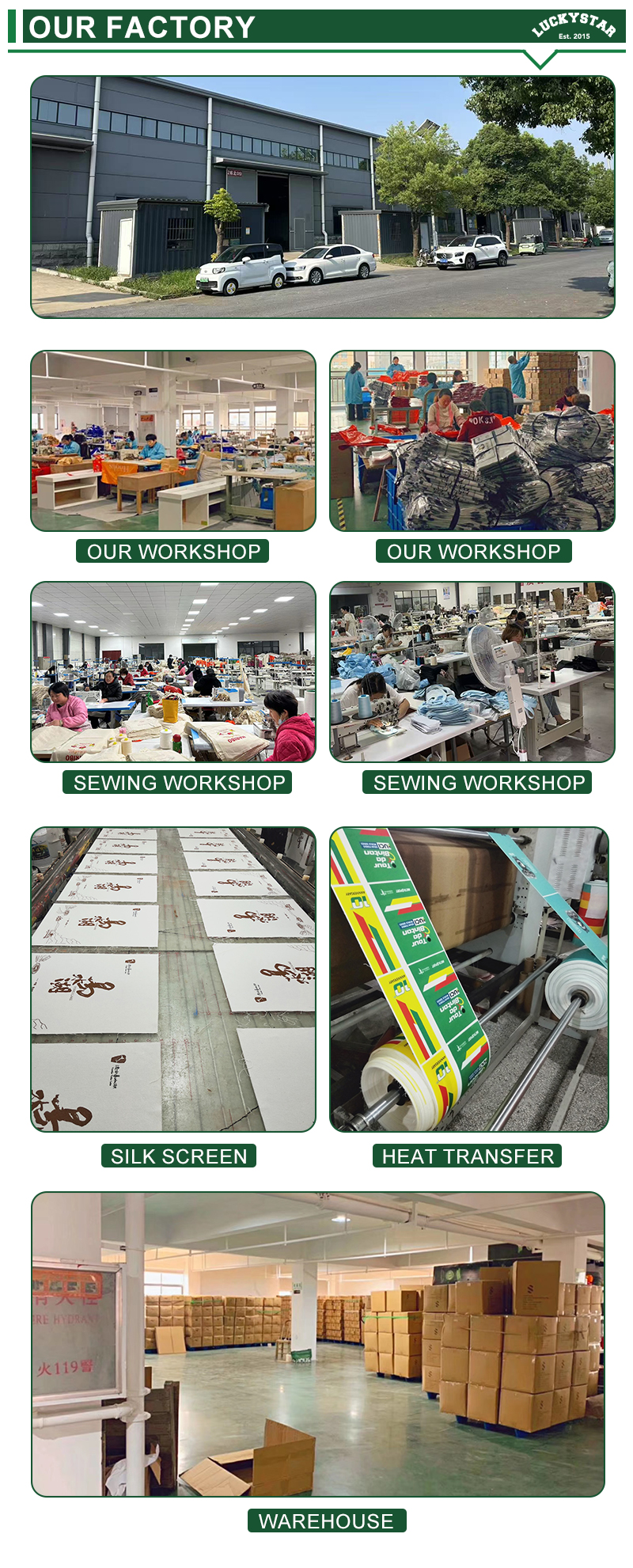
Buyer quick answer
For blank velvet-look pouches, brands should compare the exact material layers, usable size, pile/color, cord system, stock or new-production basis, later-decoration compatibility, inspection and change control. “Blank” and “factory” need project-specific definitions.
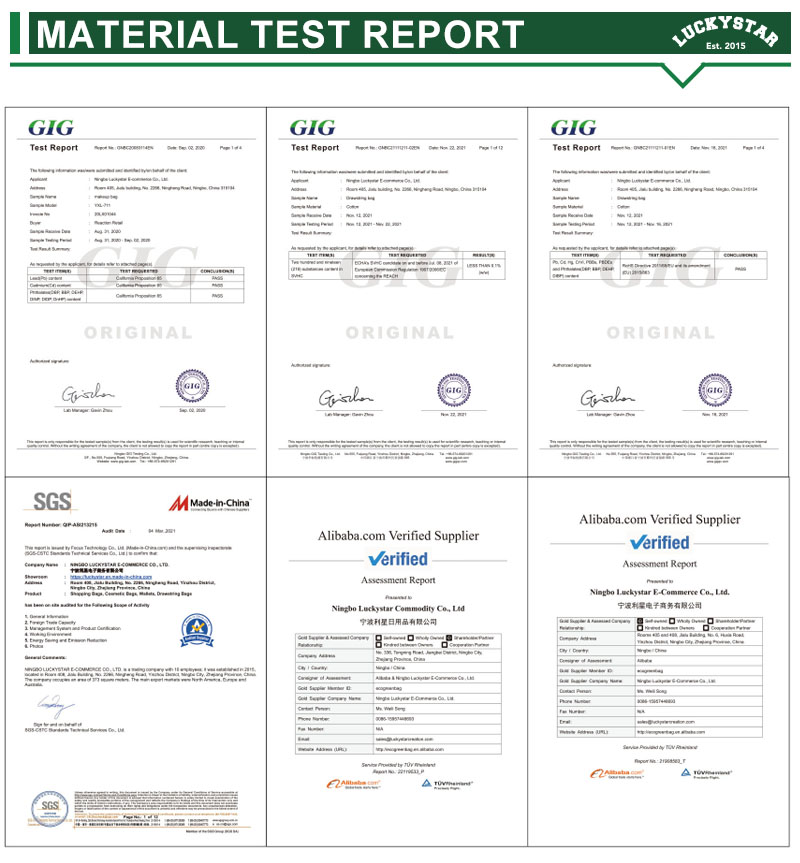
Role boundary: Factory wording does not prove ownership of material, sewing, decoration or every process. Verify the legal seller and actual roles for the quoted route.
Planning blank pouches for later branding? Send the item, material layers, blank definition, downstream method and SKU quantities for a route review.
Define blank before requesting samples
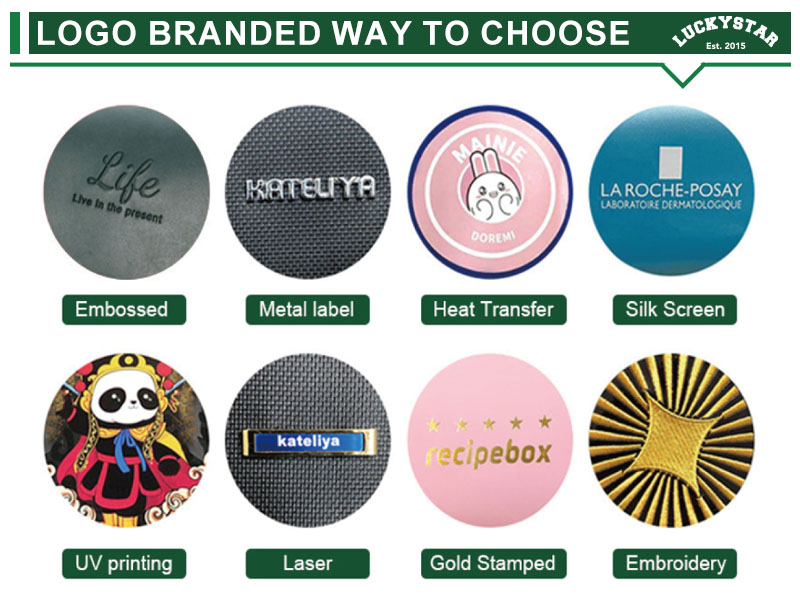
State whether blank means no buyer artwork only, or also no supplier mark, sewn label, embossing, barcode or retail sticker. Identify allowed traceability marks and their location. Confirm whether protective labels or film may remain at receipt.
If another company will decorate the pouch, provide the method, equipment, artwork size, heat/pressure or adhesive conditions and handling plan.
Map the production route
- Legal seller: contract, invoice, payment, commitments and remedies.
- Material supplier: face, pile, backing/lining, color and lot identity.
- Maker: cutting, sewing, cord/channel and dimensional control.
- Decorator: downstream buyer/vendor or included production process.
- Inspector/packer: appearance, counts, protection, labels and cartons.
Specify the layer system
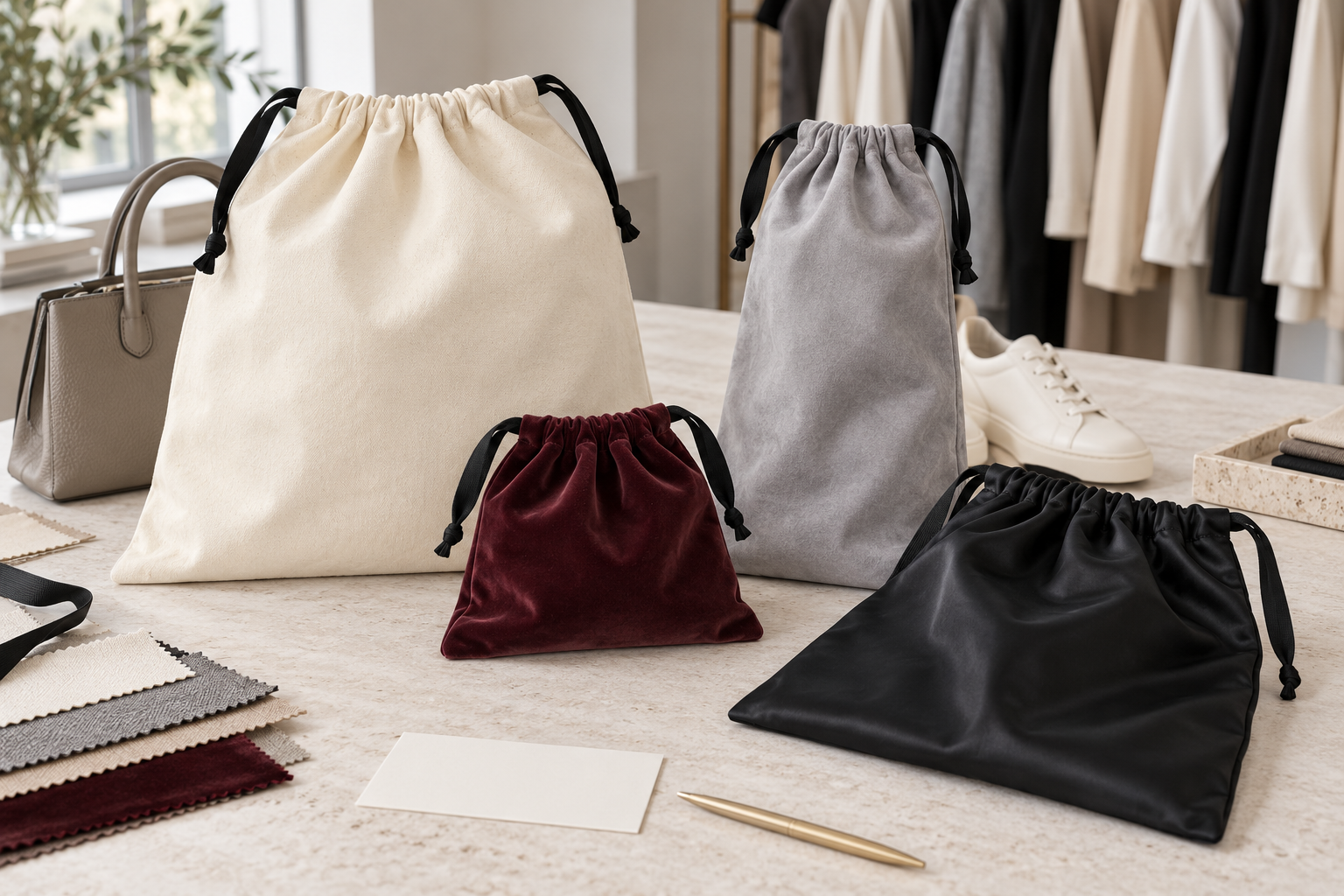
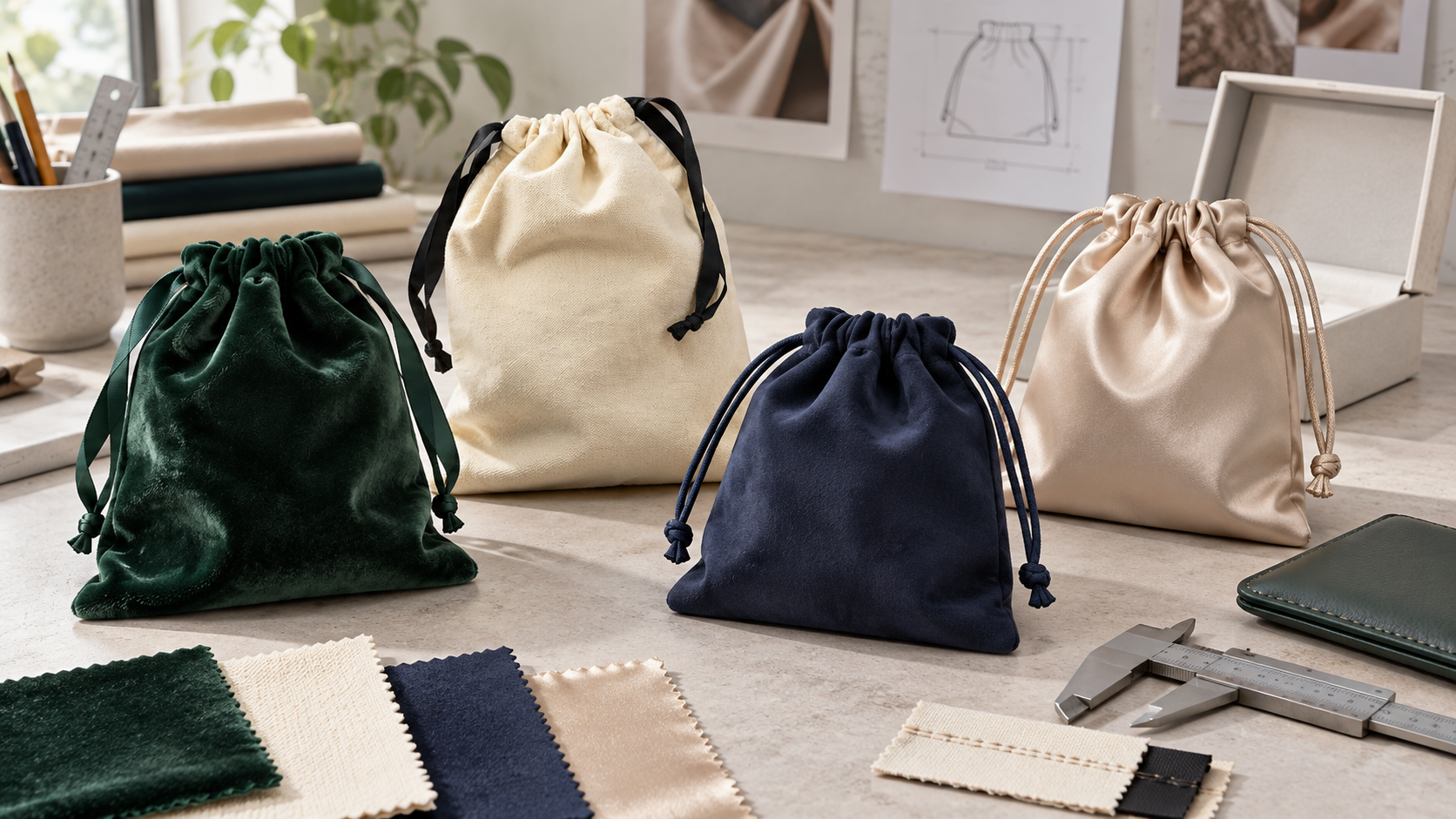
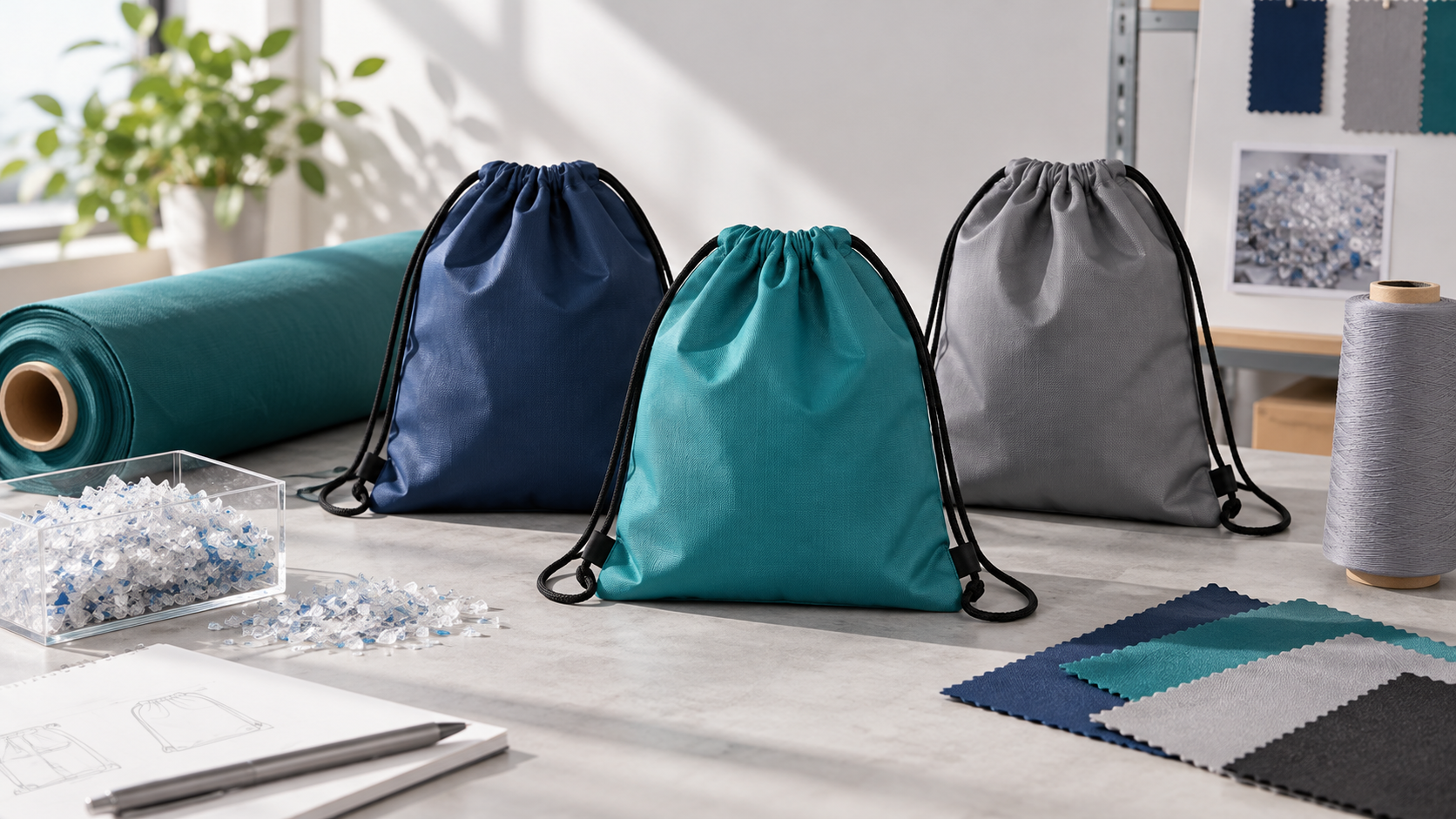
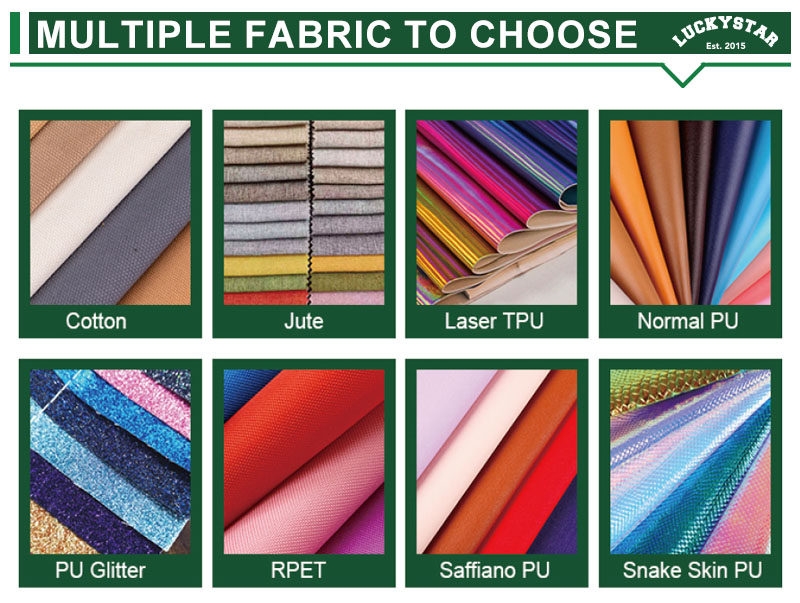
Require the exact face fiber/polymer, pile construction, backing, lining, weight or thickness basis, color and finish. “Velvet,” “velour,” “flocked” and “plush” should not be treated as equivalent without a declaration.
Define relevant lint/shedding, dye transfer, abrasion, odor and product-contact checks. A soft appearance does not prove scratch protection or compatibility.
Measure usable space and closure
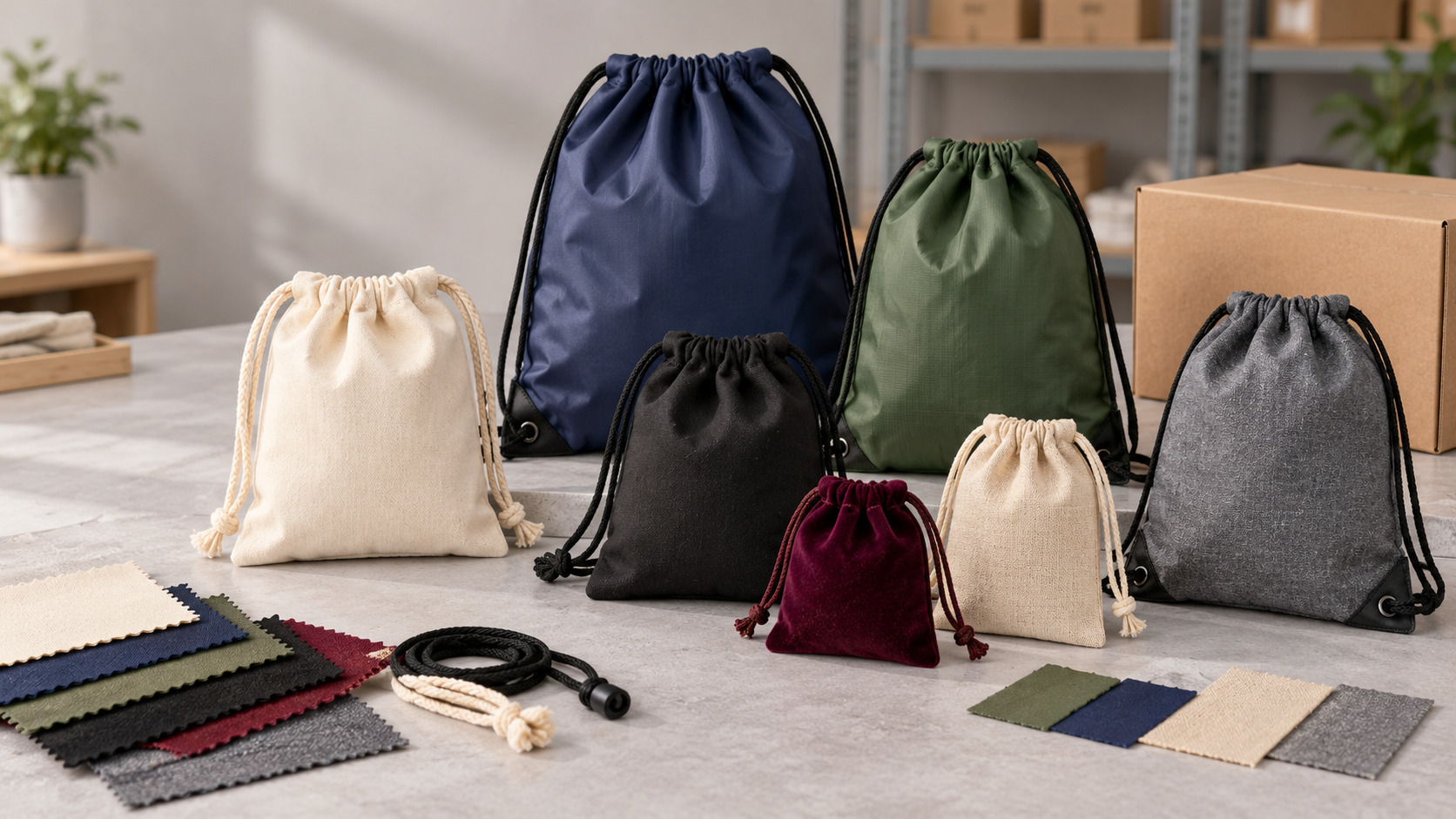
Specify finished width and height, usable height below the cord channel and opening. Pack the actual item, insert and documents. Define cord material, diameter, color, ends, single/double draw and closure direction.
Check pile bunching, channel friction, small-item escape and logo area when filled. Approve the representative production construction.
Validate later decoration
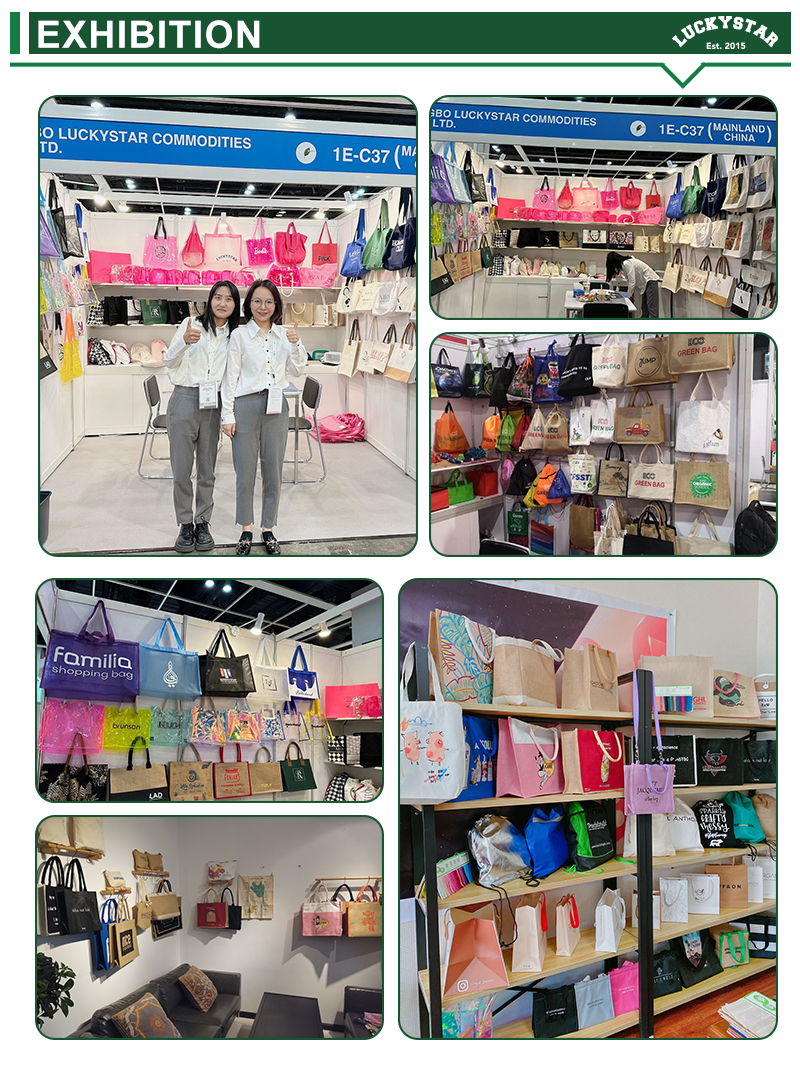
Test print, transfer, foil, embroidery or labels on the proposed production material. Review legibility, adhesion or stitch condition, pile crushing, puckering, backing stiffness, placement and handling marks.
Control the material lot, surface and storage conditions used in the trial. A visually similar replacement can behave differently during decoration.
Separate stock from new production
For stock, record quantity, SKU, lot, material/version, inspection status, reservation period and replenishment limits. For new production, record MOQ/setup per size/color/cord/pack, sample route and first-output approval.
Ask whether the sample represents the allocated stock or planned run. Catalog samples should not be treated as bulk evidence without reconciliation.
Protect pile and color during packing
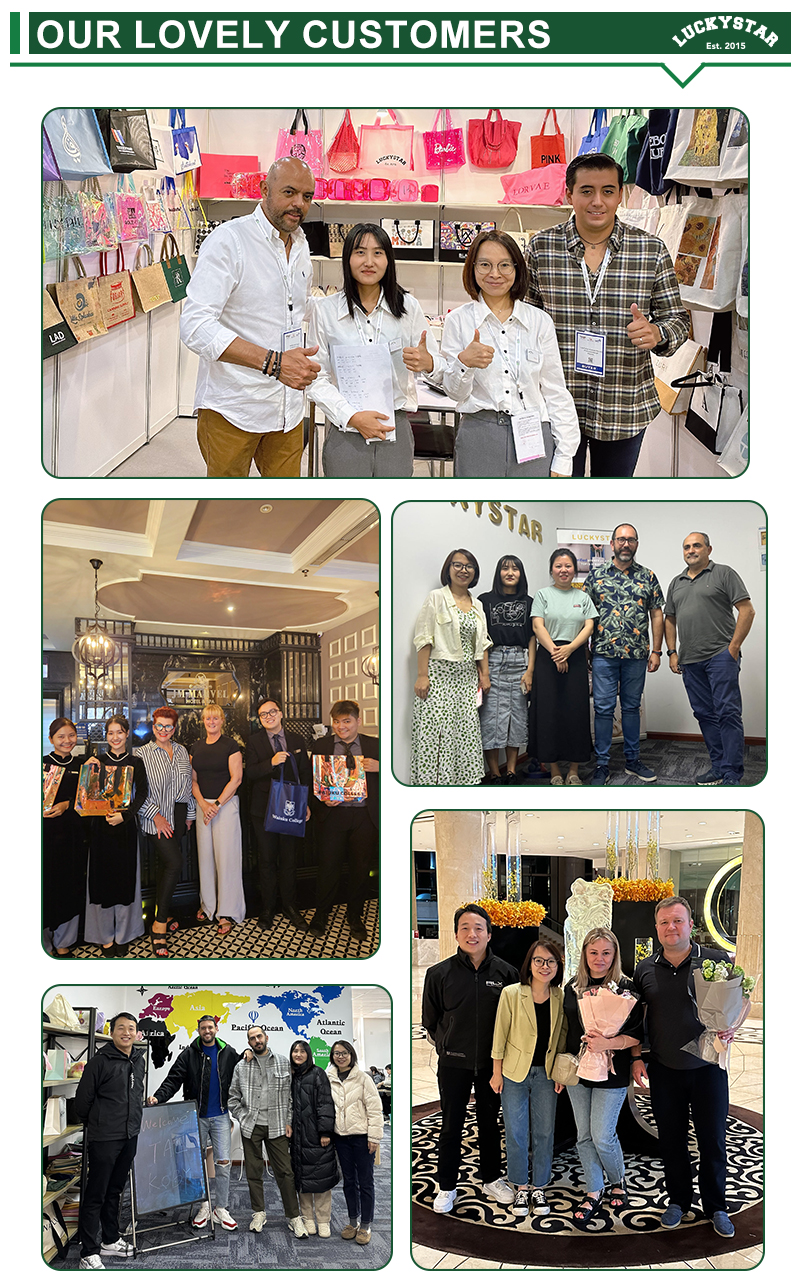
Agree fold, nesting, individual sleeve or interleaving, carton quantity, maximum carton weight and labels. Review pressure marks, crushed pile, dye transfer and dust after an actual pack-out.
Set viewing direction and lighting for appearance inspection because pile direction changes perceived shade.
Blank pouch release matrix
| Gate | Approve | Evidence |
|---|---|---|
| Identity | Blank definition and supply roles | Written route/marking list |
| Material | Layers, pile, color and contact checks | Declaration/test/reference |
| Fit | Item, usable space and closure | Filled sample |
| Conversion | Later-decoration route | Trial on production material |
| Order | Stock/new run, MOQ, inspection and pack | Allocation or production release |
Frequently asked questions
Are blank velvet pouches ready for any logo process?
No. Test the intended method on the actual production material, backing and surface.
Does factory-direct wording prove ownership?
No. Verify the legal seller and operational roles for the order.
Are blank pouches always in stock?
No. Confirm SKU, lot, quantity, reservation and replenishment in writing.
What should bulk inspection cover?
Check material/version, size, pile/color, seams, cord/channel, blank markings, cleanliness, protection, unit count and cartons.
Related sourcing guides
Source and scope: Luckystar custom drawstring-bag category and linked sourcing guides, checked September 21, 2026. They are format and process references, not proof of fiber content, protection, contact suitability, stock, factory ownership, fixed MOQ, price or delivery. Existing article images are illustrative and still require topic-relevance and publication-rights review.
Request a blank velvet-look pouch route review
Send the item, blank definition, material layers, usable size, cord, downstream decoration, SKU quantities, stock/new-run preference, inspection, packing and date.
Use the website contact form or email a prefilled blank-pouch RFQ. Review the draft before sending.
Roles, material, protection, stock, MOQ, price, availability, capacity and delivery are subject to specification and written confirmation.