Buyer quick answer
Scaling clear makeup bags from a sample to bulk requires lot and process control. Freeze the approved material, tint, thickness method, dimensions, zipper, joins, artwork and protective pack; then review first output, inline/final inspection and carton allocation.
Intent: This page covers bulk-production control. Material selection and low-cost quote comparison should be completed before scale-up.
Scaling an approved clear pouch? Send the pilot reference, frozen specification, quantity matrix and inspection plan for a bulk-production review.
Freeze a production baseline
- Versioned specification, approved physical sample and real-kit fit.
- Exact clear material declaration, thickness method/tolerance, tint, haze and surface reference.
- Zipper, binding/seams/welds, handles, reinforcement and dimensions.
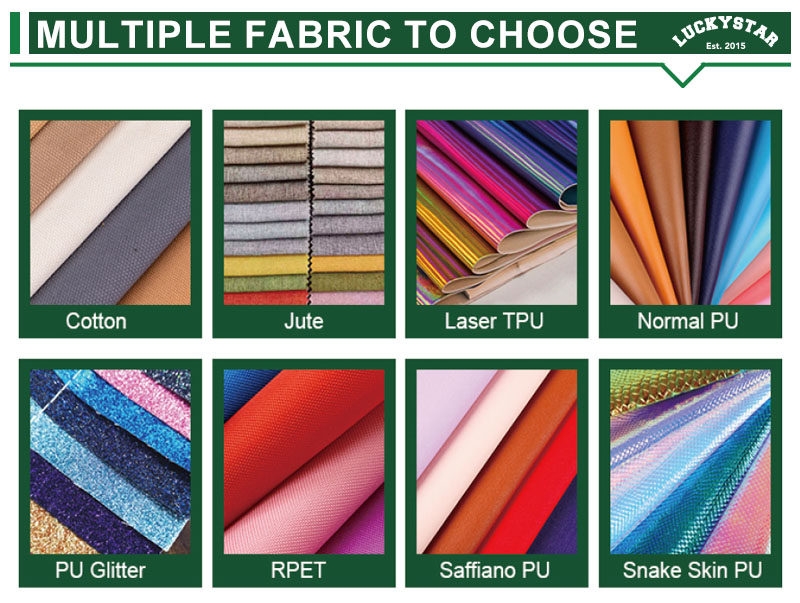
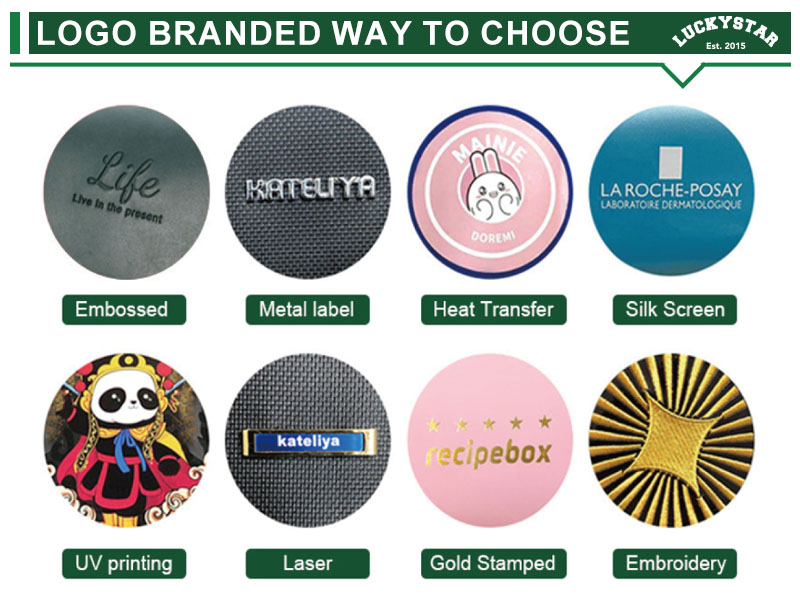
- Artwork file/version, method, size, placement and colors.
- Unit protection, fold, carton quantity, labels and destinations.
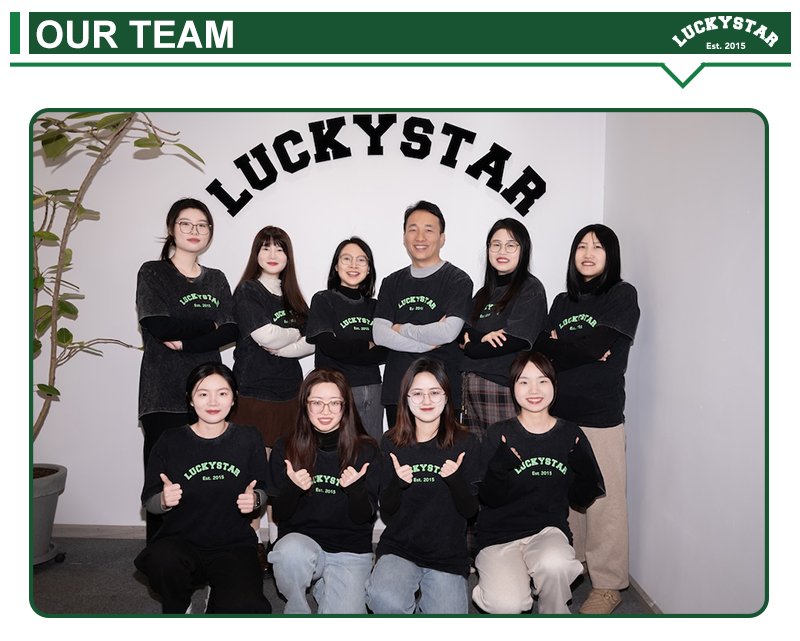
Control material and tint by lot
Record proposed material lot identity and require disclosure before substitutions. Compare tint, haze, gloss, flexibility, thickness and surface condition against the approved reference under consistent lighting.
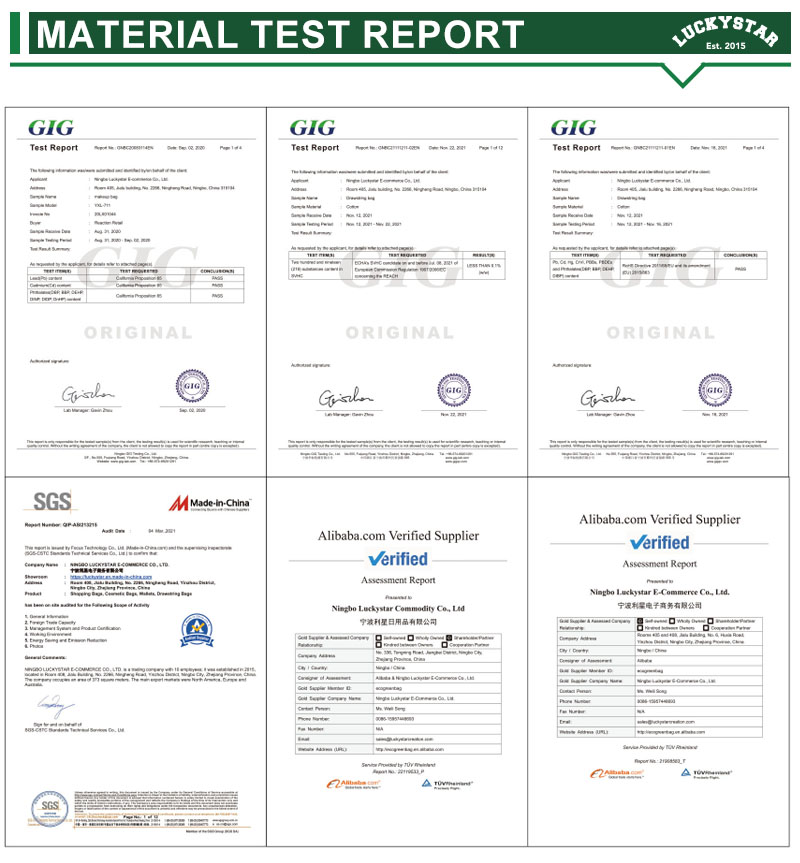
Clear appearance does not prove polymer identity, compliance, water performance or environmental attributes. Keep evidence linked to the exact lot or approved material scope.
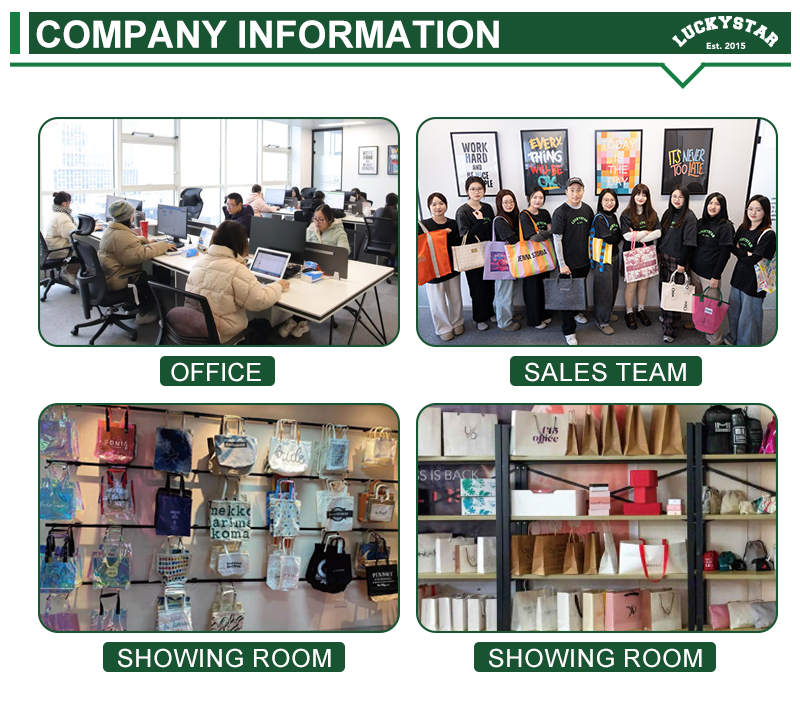
Use first-output approval
Before full production continues, inspect representative first output for usable dimensions, opening, zipper, corners, joins, handles, tint, surface and decoration. Confirm the sample and bulk use the same material and process route.
Define who may release production and what happens if first output differs. Time this gate early enough for correction rather than after all units are packed.
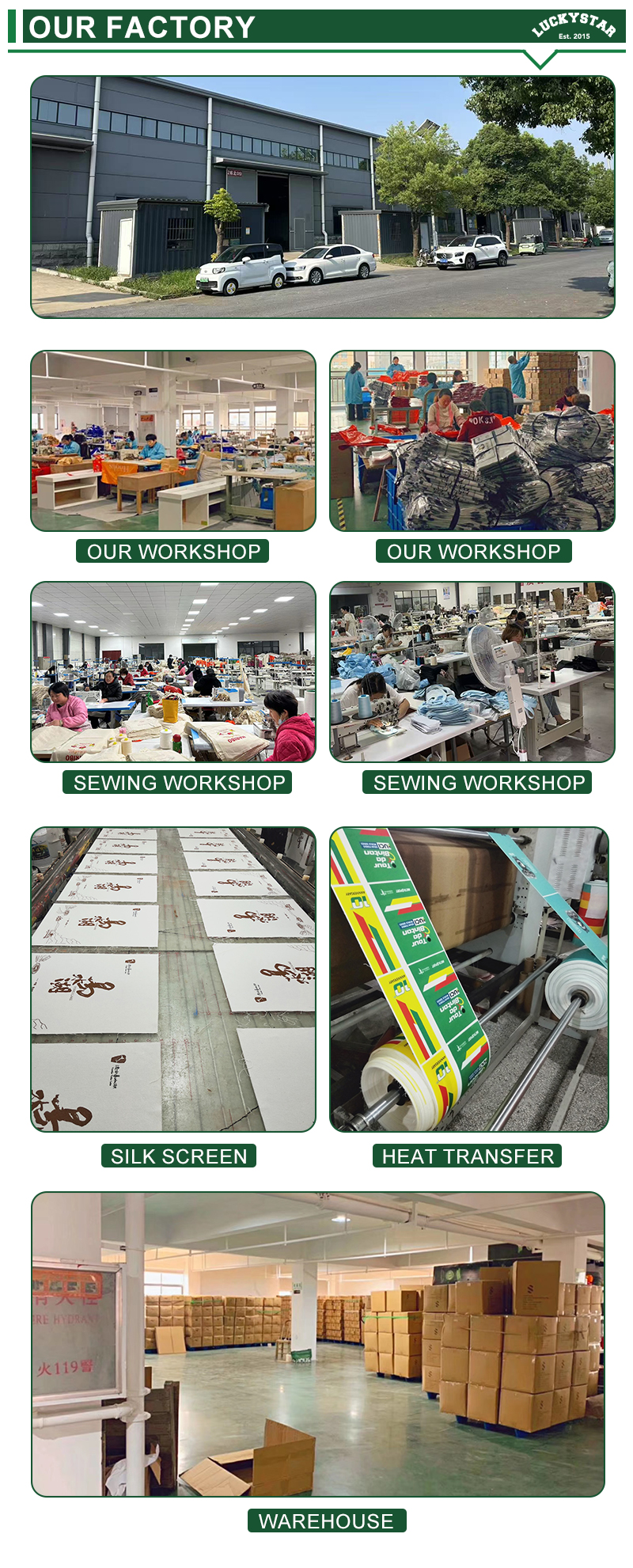
Monitor joins, zipper and handling points
Bulk variation often appears at zipper ends, binding, welds/seams, corners and handle attachments. Set measurable dimensions and visual/function criteria. Cycle the zipper with the intended kit and use the agreed load/handling check.
If leak or water performance matters, apply a defined finished-bag method. Clear sheet alone does not establish a claim.
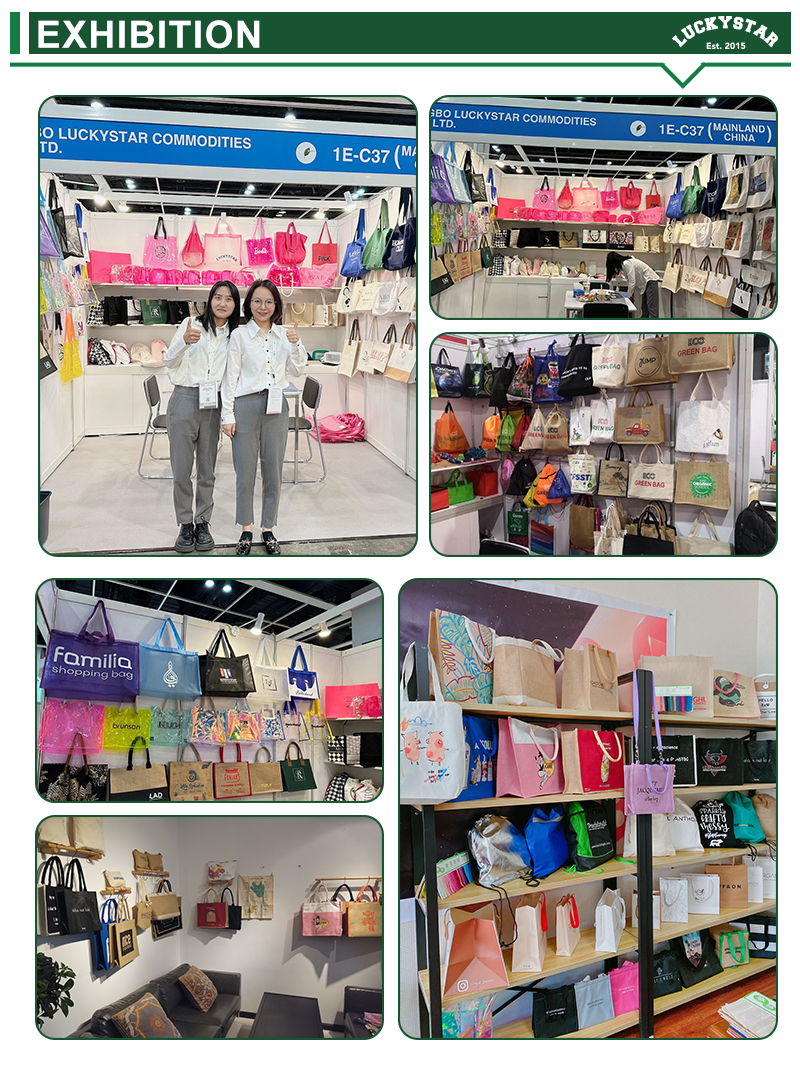
Track artwork by configuration
List quantity by size, tint, trim, artwork, language, label, pack and destination. Separate setup and MOQ per line. Use released file names or IDs on production and inspection records.
Approve decoration on the production material, then check registration, adhesion/coverage, placement, legibility and surface damage through handling.

Prevent surface damage during packing
Approve individual sleeves, interleaving, nesting or removable protection as needed. Review folds, pressure marks, scratches, blocking, dust and transfer after a real carton pack-out.
Record carton dimensions, gross weight, count, labels and destination allocation. Surface protection is part of the accepted product cost.
Bulk production release matrix
| Stage | Control | Record |
|---|---|---|
| Incoming | Material lot, tint, thickness and hardware | Lot/reference check |
| First output | Fit, construction, surface and print | Buyer/release approval |
| Inline | Joins, zipper, handles, dimensions and versions | Process inspection |
| Final | Sampling, defects, counts and remedies | Final inspection report |
| Shipment | Protection, cartons and allocation | Pack-out/release list |
Frequently asked questions
Is an approved sample enough for bulk?
No. It defines the reference; bulk still needs material-lot, first-output, process and final controls.
Why can clear material vary between lots?
Formulation, processing, thickness, tint and surface conditions can differ. Use lot identification and agreed tolerances.
When should inspection occur?
Use early and final gates based on risk, so changes can be corrected before all units are completed and packed.
What should a reorder use?
Use the versioned specification, retained sample, material/color references, artwork, inspection and packing records, then reconfirm current terms.
Related sourcing guides
Source and scope: Luckystar custom cosmetic-bag category and linked sourcing guides, checked September 21, 2026. They are format and process references, not proof of polymer identity, compliance, water/leak performance, factory ownership, fixed MOQ, price or delivery. Existing article images are illustrative and still require topic-relevance and publication-rights review.
Request a clear makeup bag scale-up review
Send the approved reference, frozen material/construction, artwork and configuration matrix, lot controls, inspection, surface protection, packing, delivery basis and date.
Use the website contact form or email a prefilled production RFQ. Review the draft before sending.
Material, performance, compliance, MOQ, price, availability, capacity and delivery are subject to specification and written confirmation.