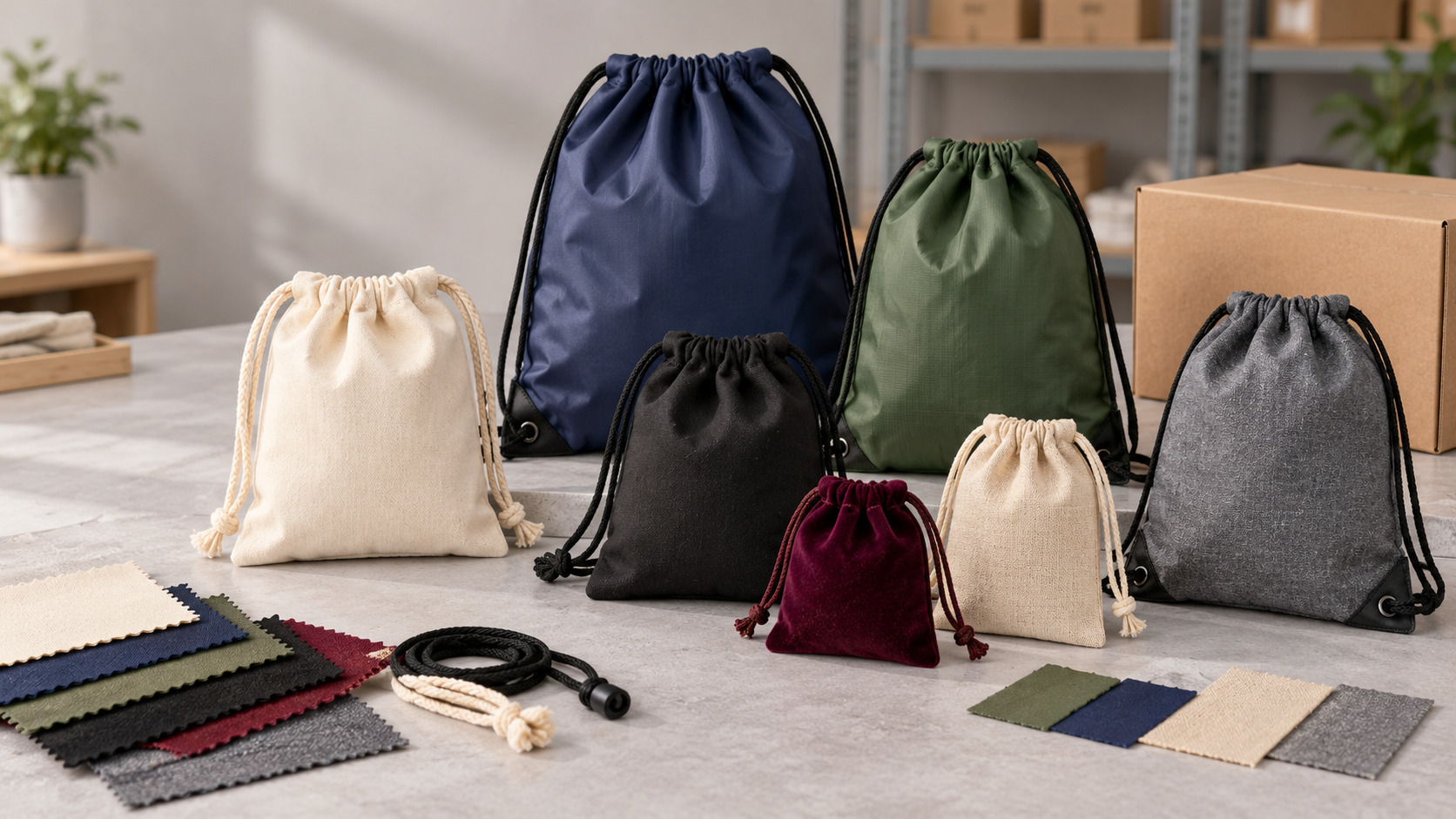
Buyer quick answer
A retail checkout bag, an event giveaway and a bag sold as merchandise need different specifications and packing. Define the program first, then provide the product assortment or giveaway contents, intended load, size, handles, material, artwork, quantities by destination and reorder plan. Approve the bag in its real packing operation.
Scope: This page covers retail and promotional program execution. For environmental claim wording and evidence, use the bulk shopping-bag claims guide.
Planning a retail or event bag program? Send the assortment, use, load, size, artwork, quantity split and delivery points. Ask for a filled and packed pilot before the main run.
Choose the program before choosing the bag
A checkout bag must fit the store's common baskets, pack quickly and reach multiple locations in controlled quantities. An event bag may prioritize flat shipment, fast handout and a particular kit. A retail-merchandise tote must meet sellable appearance, label and unit-pack requirements. Combining these into one vague “reusable bag” brief creates conflicting priorities.
State whether the bag is free packaging, a promotional item or a product for sale. Define the user, expected contents, channel, destination and date. Any claim about reuse, environmental benefit or advertising performance needs separate evidence; this guide does not treat those outcomes as automatic.

Three program routes
- Retail checkout: prioritize assortment coverage, packing speed, handle/load fit, store allocation and replenishment.
- Event or promotion: prioritize kit fit, flat shipping, fast distribution, artwork version and delivery deadline.
- Retail merchandise: prioritize finished presentation, unit labeling, barcode, defect standard and repeatable reorder reference.
Build a capacity map from real contents
List representative small, medium and large baskets or kits. Give dimensions and loaded weights. Specify finished width, height, gusset, opening and handle drop. Test how staff insert and remove the products, and whether the filled bag is comfortable to carry.
A single size may simplify inventory but fit some transactions poorly. If two sizes are required, define which assortment each serves and how quantities will be split. Do not rely on empty-bag photos or “large” and “medium” labels.
Select material and construction for the operation
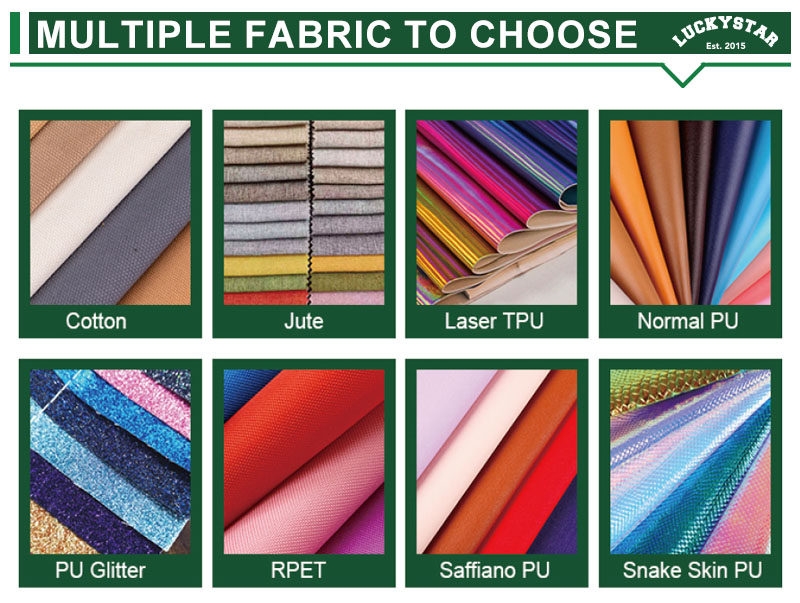
Specify composition, fabric or sheet construction, weight or thickness, color, seams or joins, bottom/gusset, handles and reinforcement. Check loaded dimensions, handle attachment and bottom corners. Reusable is a use intention; it does not prove a fixed life or performance level.
For any recycled, recyclable, biodegradable, organic or other environmental statement, freeze the exact wording and obtain order-level evidence separately. The physical sample and claim records answer different questions.
Test branding in the filled state
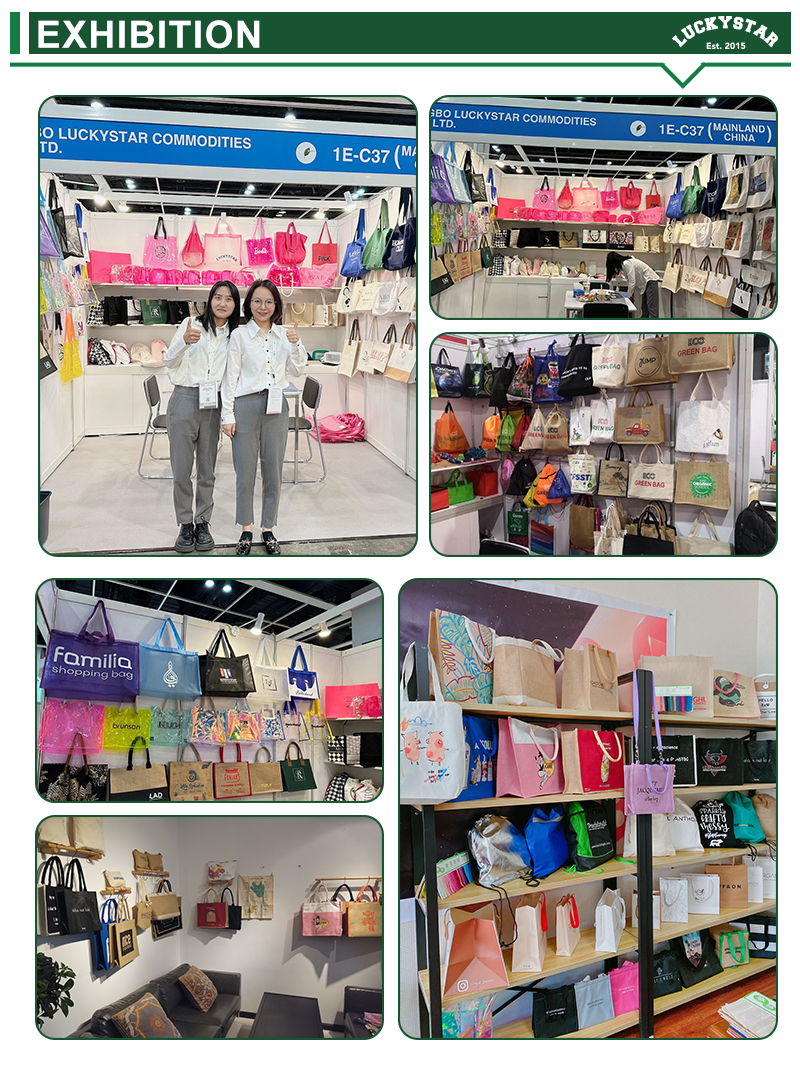
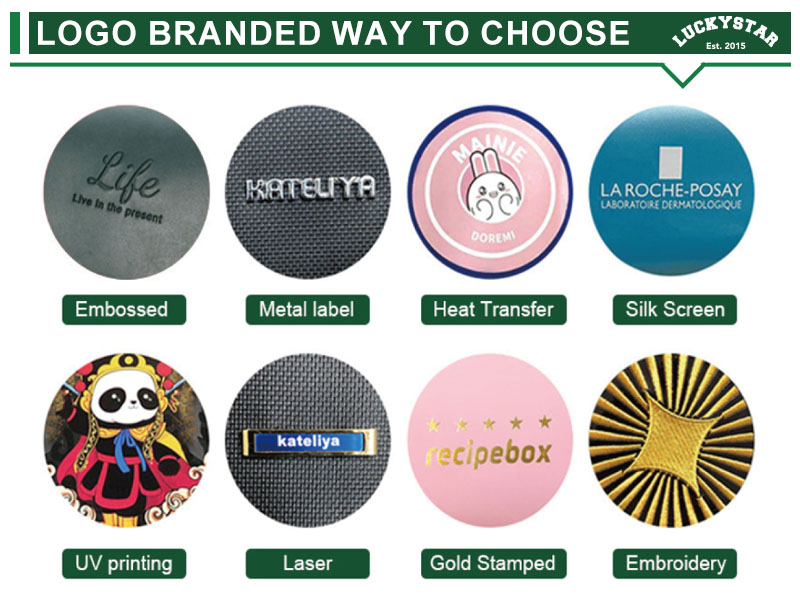
Approve the artwork version, method, size, position and tolerance on production-intent material. Fill the bag to check whether gusset expansion, seams or handles distort the logo. For multi-store or multi-event programs, list each artwork and language version in the quantity matrix.
Do not assume a larger logo or more complex print produces better promotion. Define the campaign objective and review legibility under the intended use. Customer logo permissions and website display rights must be verified separately.
Plan store, event and carton allocation
Give units per size, color, artwork, pack SKU and destination. Specify inner packs, master-carton quantity, carton labels and maximum gross weight. Ask whether cartons can be packed by store or event to reduce sorting after arrival.
Record the required arrival date for each destination, not only one factory completion date. If partial shipments are allowed, define priority and acceptance. MOQ, price and schedule should be confirmed per configuration and allocation.
Make reorders match the approved program
Keep the approved specification, material/color references, artwork, finished sample, packing recipe and inspection report. Ask how the supplier identifies material lots and reports substitutions. Reorder stability is a controlled record and approval process, not a standing promise that every future lot will be identical.
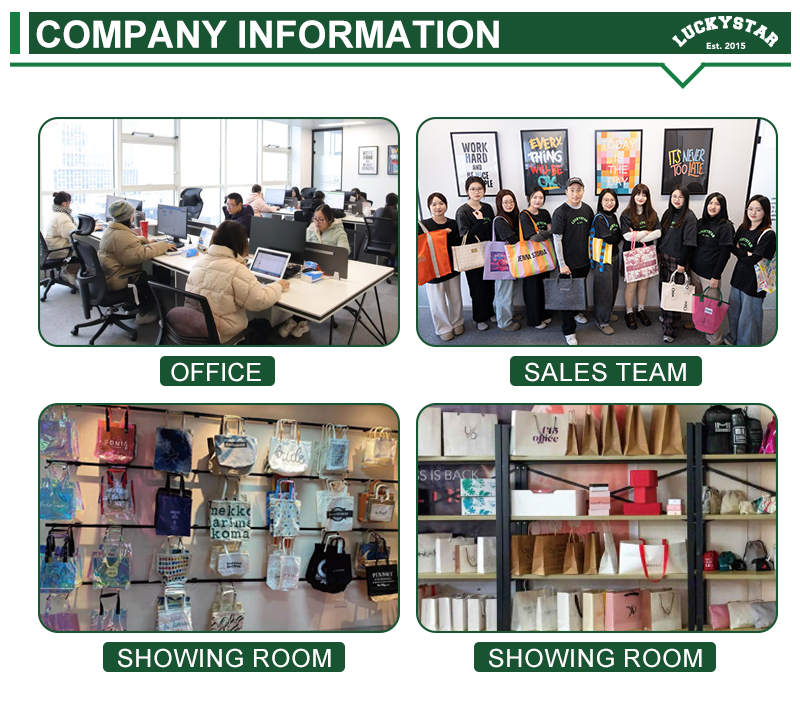
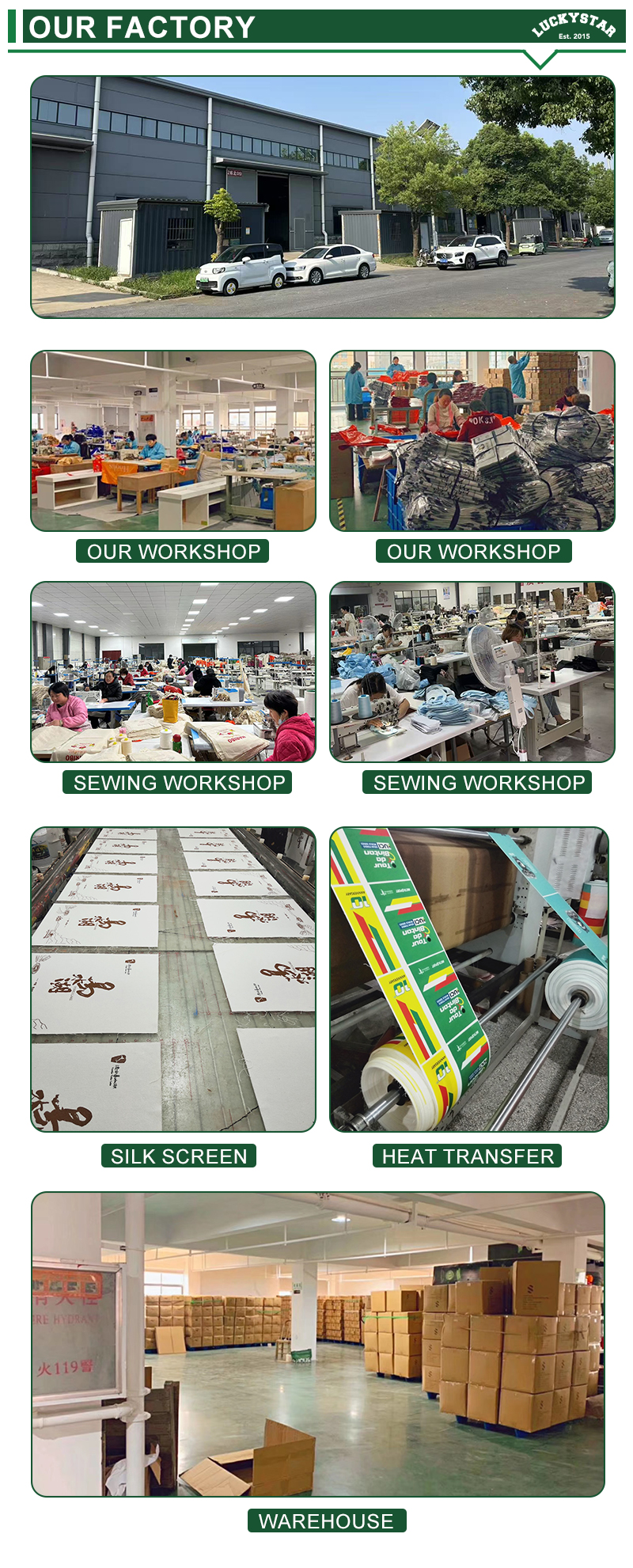
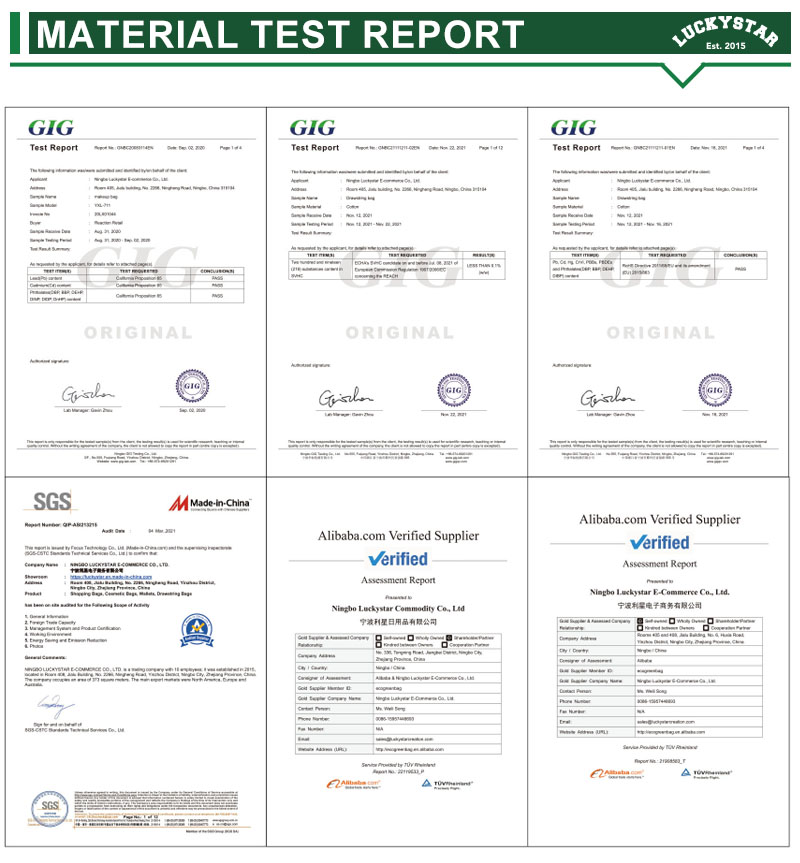
Identify the legal seller, actual maker, decorator, inspector and packer. OEM/ODM or factory wording does not prove ownership of every production stage. Review format references on the Luckystar custom shopping-bag category; verify the proposed order separately.
Retail and promotion bag matrix
| Decision | Specify | Verify |
|---|---|---|
| Program | Checkout, event or merchandise | User and operating scenario |
| Fit | Contents, load, opening, size and handles | Filled packing/carrying pilot |
| Branding | Artwork, language, method and rights | Decorated sample while filled |
| Allocation | Units per destination and carton labels | Pack plan and carton reconciliation |
| Reorder | Controlled spec, references and change process | Records and current written quote |
Frequently asked questions
Can one bag serve retail and events?
Possibly, if the same size, load, packing and presentation meet both operations. Test both scenarios before combining volumes.
How should sizes be selected?
Build a capacity map from representative products or kits and approve filled samples, opening access and handle comfort.
Does reusable mean environmentally better?
Not automatically. Avoid lifecycle claims without a defined comparison and suitable evidence.
What makes reorders consistent?
Preserve a controlled specification, samples, material/color references, artwork, pack recipe and inspection records, then reapprove changes.
Related sourcing guides
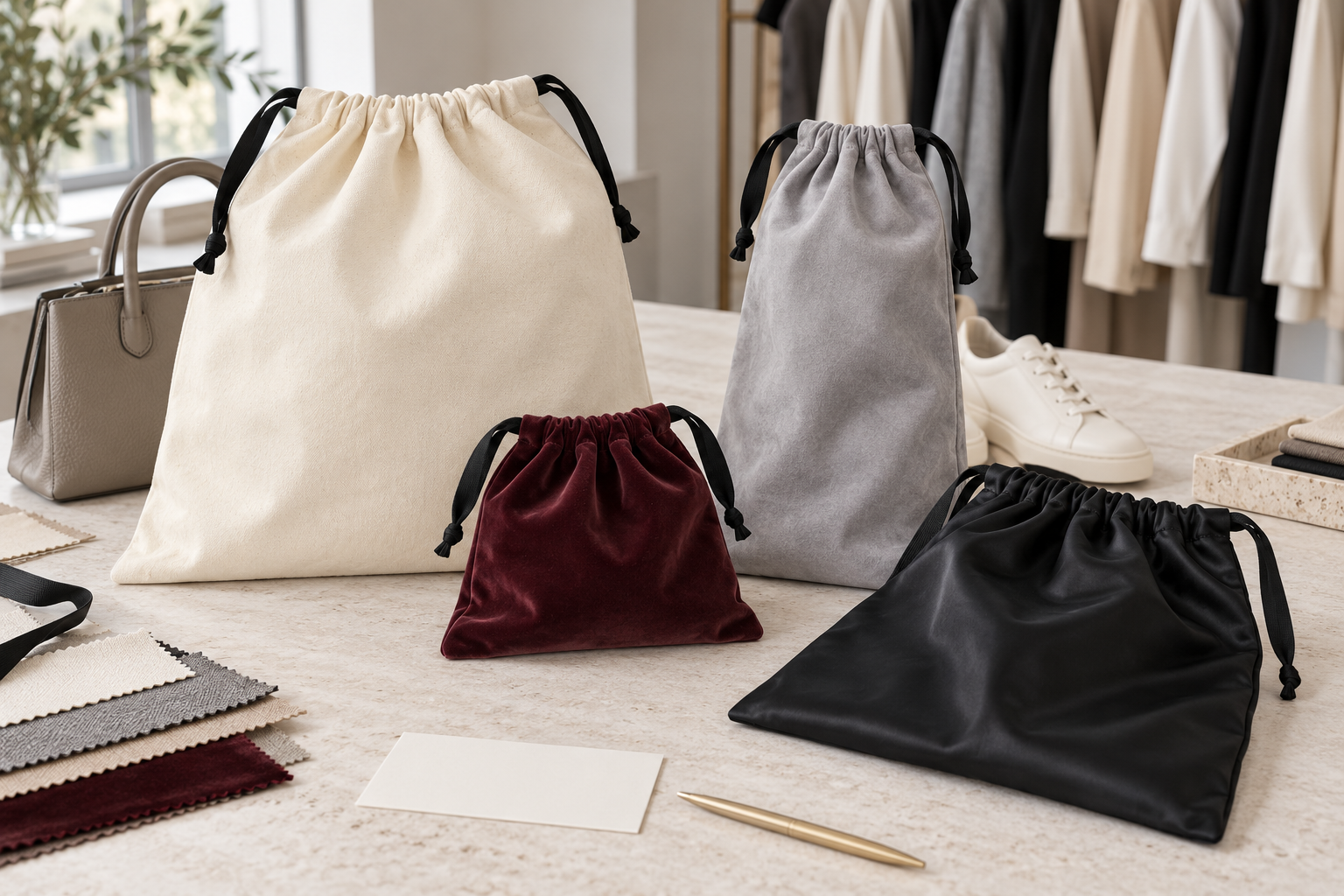
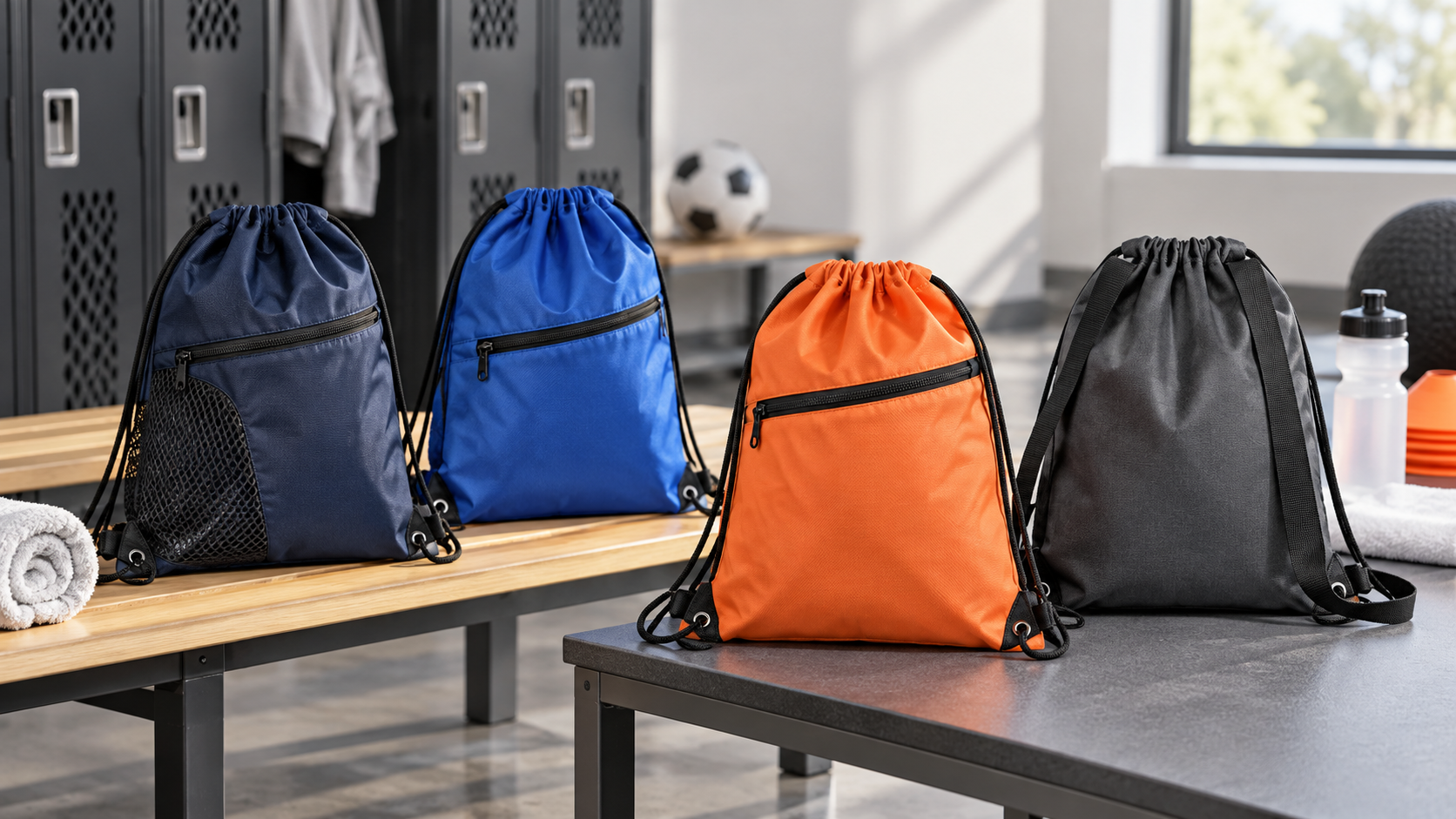
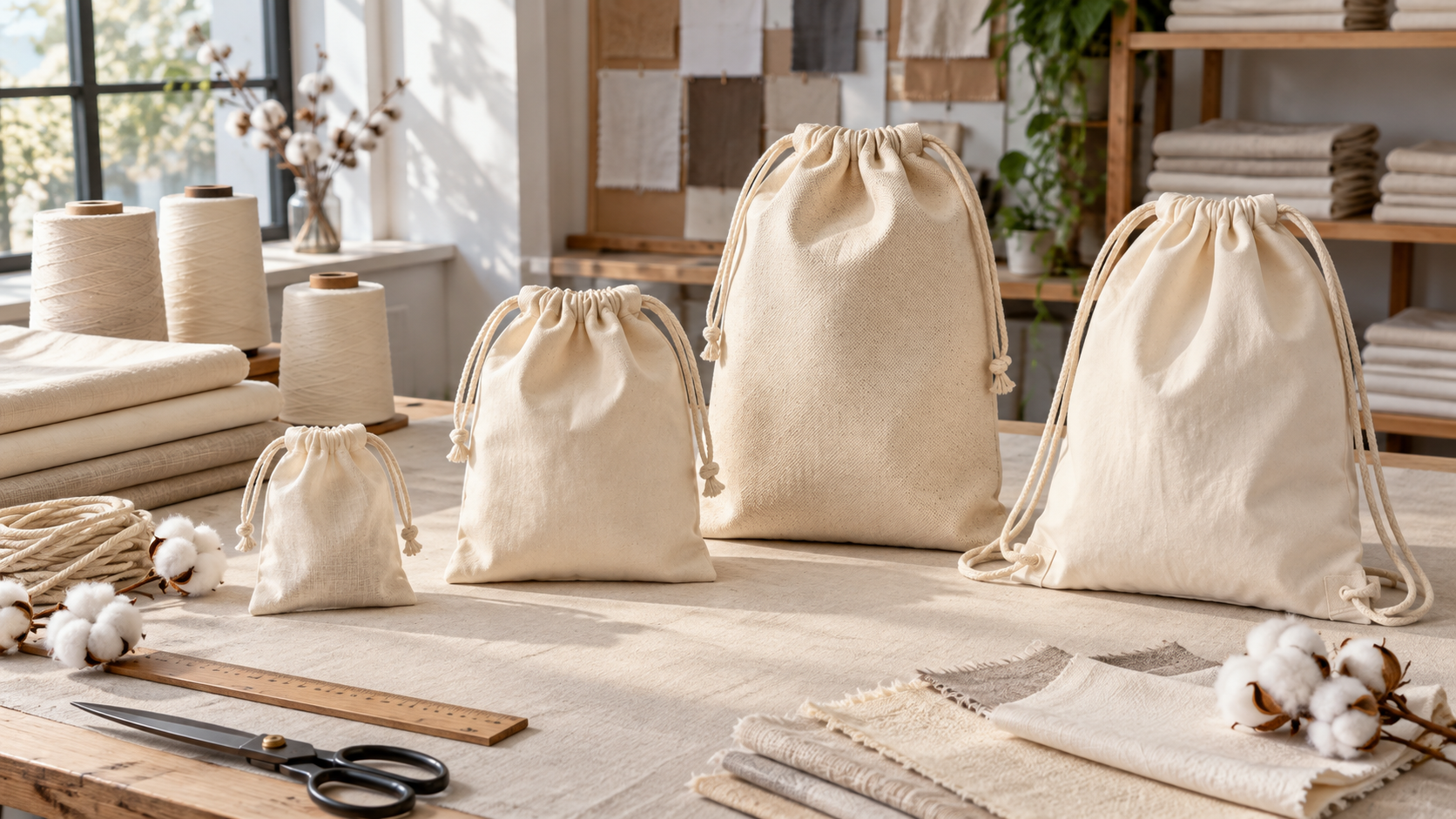
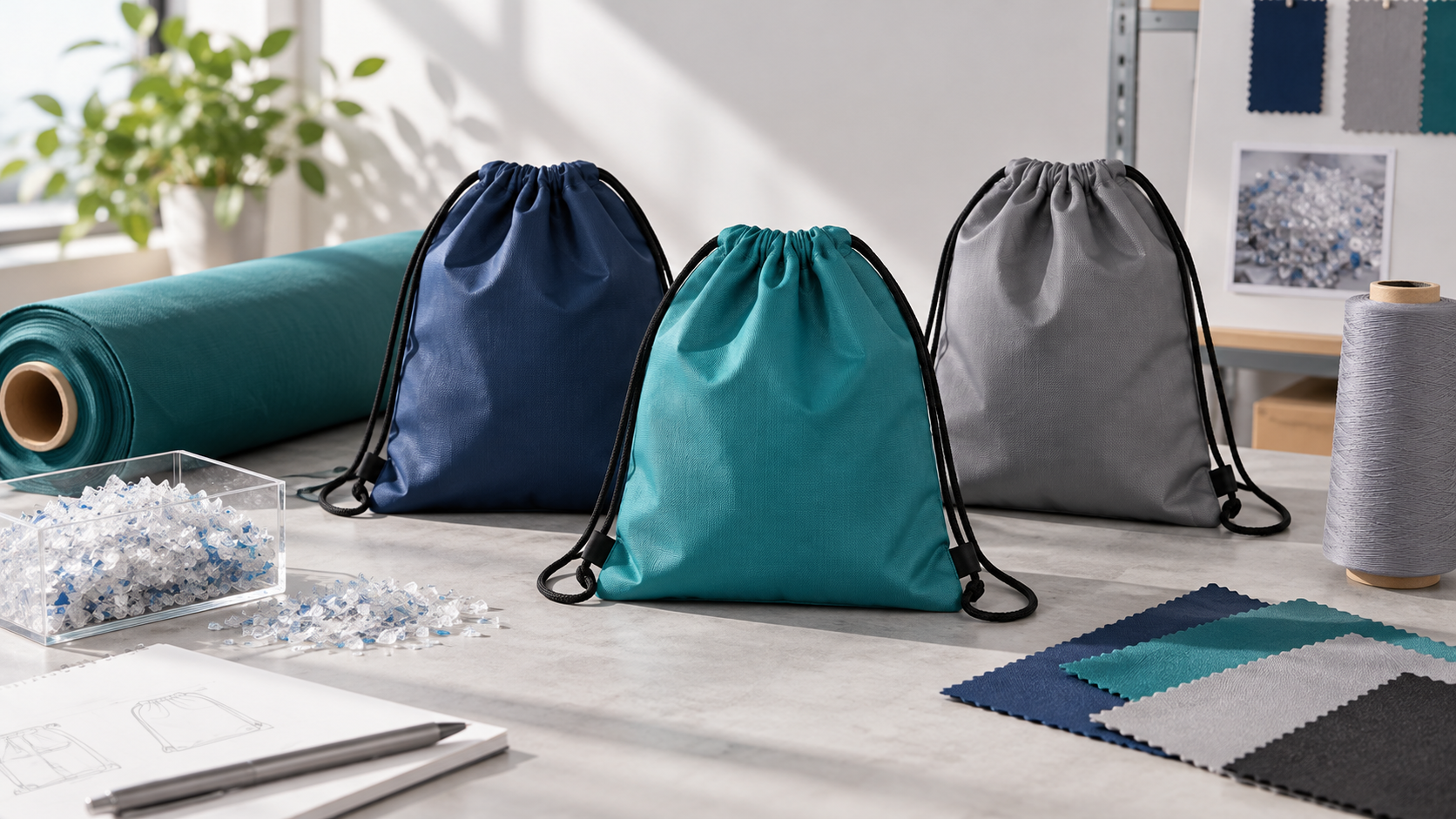
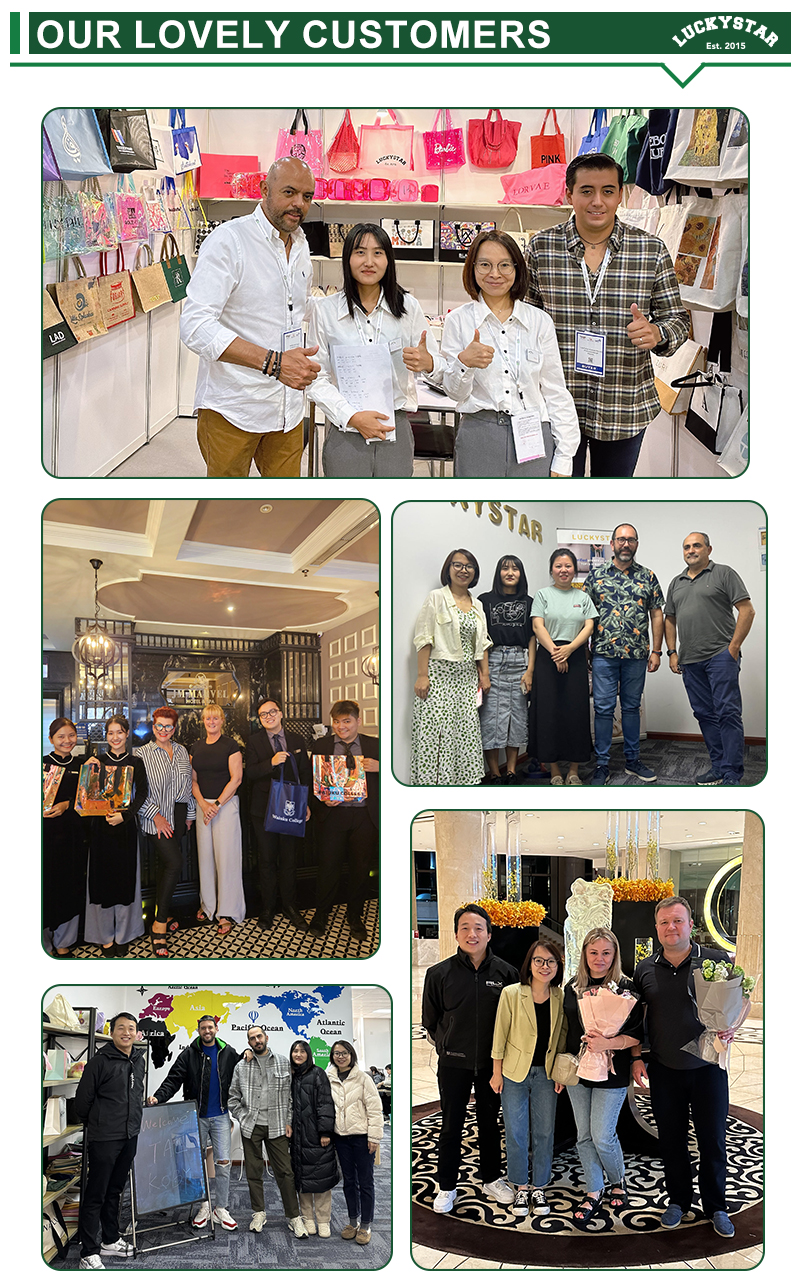
Source and scope: Luckystar custom shopping-bag category and the bulk claim guide, checked September 21, 2026. These are program references, not proof of ROI, repeat exposure, material claims, factory ownership, current terms or image rights. Existing article images are illustrative.
Request a retail or promotional bag program quote
Send program type, contents/load, size, material, artwork versions, quantities by destination, pack allocation and arrival dates. Request the actual maker, filled pilot, inspection and itemized quote.
Use the website contact form or email a prefilled program brief. Review the draft before sending.
Claims, rights, MOQ, price, capacity, reorders and delivery require project-specific evidence and written confirmation.