Buyer quick answer
Choose a cosmetic bag material as a system: outer shell, lining, interlining, binding, zipper tape, thread and trim must match the intended contents, leakage risk, cleaning method, structure, decoration and claims. Specify the material construction and evidence, then test the assembled production-intent bag with representative containers.
Selecting materials for a custom cosmetic bag? Send the contents map and use conditions for a material-system review.
Minimum contents-and-risk brief
- Representative bottles, tubes, compacts, brushes and tools with dimensions and mass.
- Leakage, staining, moisture, abrasion, heat and cleaning scenarios.
- Usable size, opening path, compartment access and required structure.
- Outer, lining, interlining, closure, trim and decoration expectations.
- Exact claims, evidence, quantity mix, samples/tests, packing and destination.
Cosmetic bag material-system matrix
| Layer or component | Define | Validate |
|---|---|---|
| Outer shell | Composition, construction, weight/thickness, finish and color | Appearance, abrasion, care and decoration on sample |
| Lining | Surface, color, seams, attachment and cleanability target | Representative spill/soil and cleaning check |
| Structure | Interlining, foam, reinforcement and base support | Loaded shape, recovery, fold and pack-out check |
| Closure | Zipper/closure type, tape, puller, opening path and reinforcement | Access, operation and containment with contents |
| Decoration and claims | Method, artwork, wording, scope and required evidence | Strike-off and applicable test/certificate records |
Map cosmetic contents before choosing material
List representative container dimensions, caps or pumps, brushes, compacts and tools. Record total load, sharp edges, fragile items and the order in which users access them.
Note plausible leakage or staining substances and intended cleaning. The bag may need removable sections, wipeable surfaces or separation, but the exact solution depends on the product claim and validated material system.
Specify the outer shell
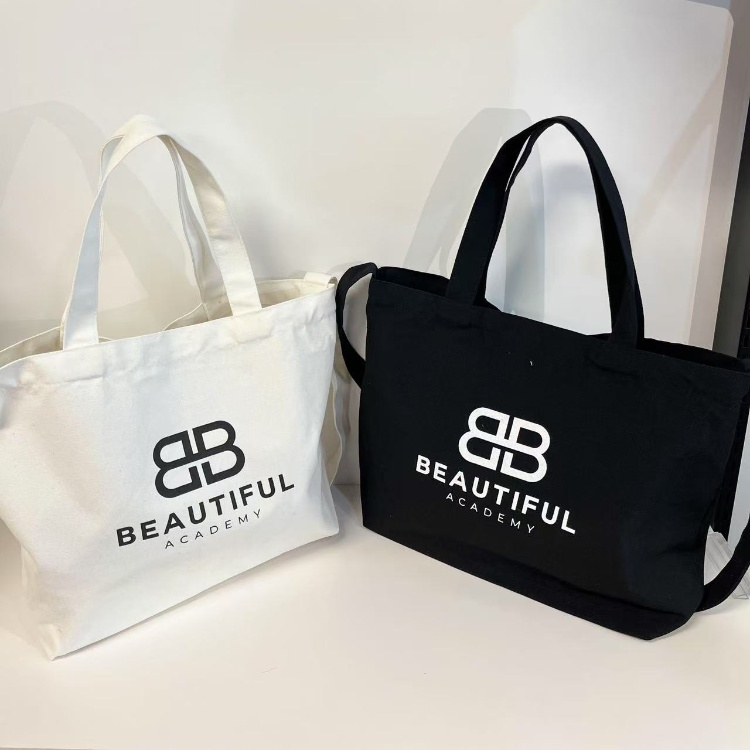
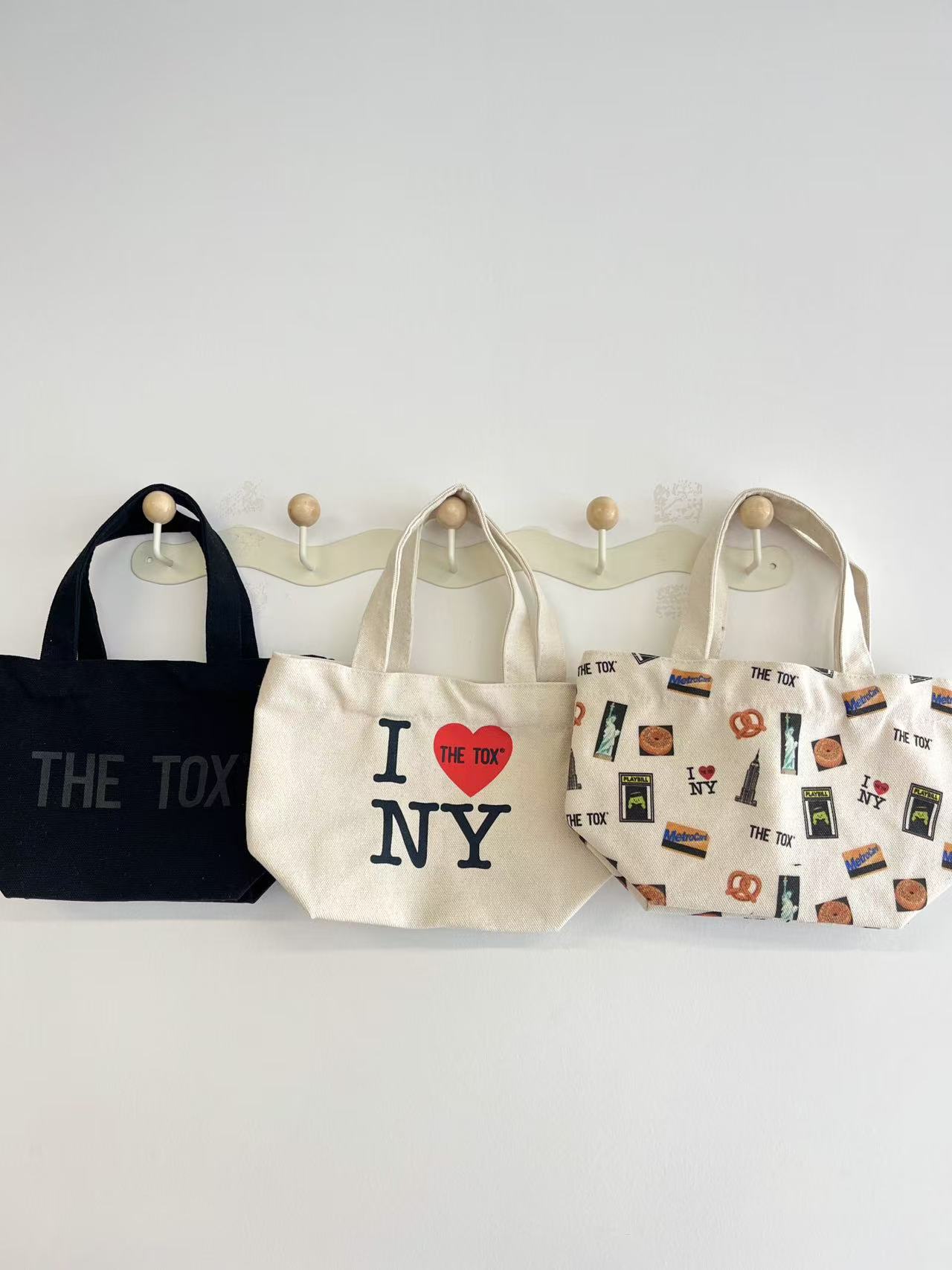
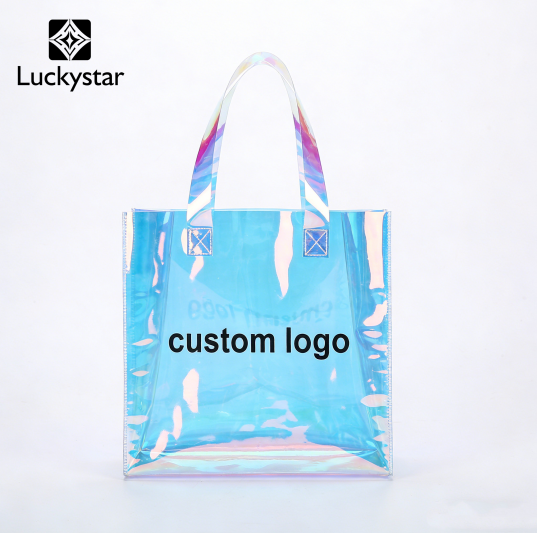
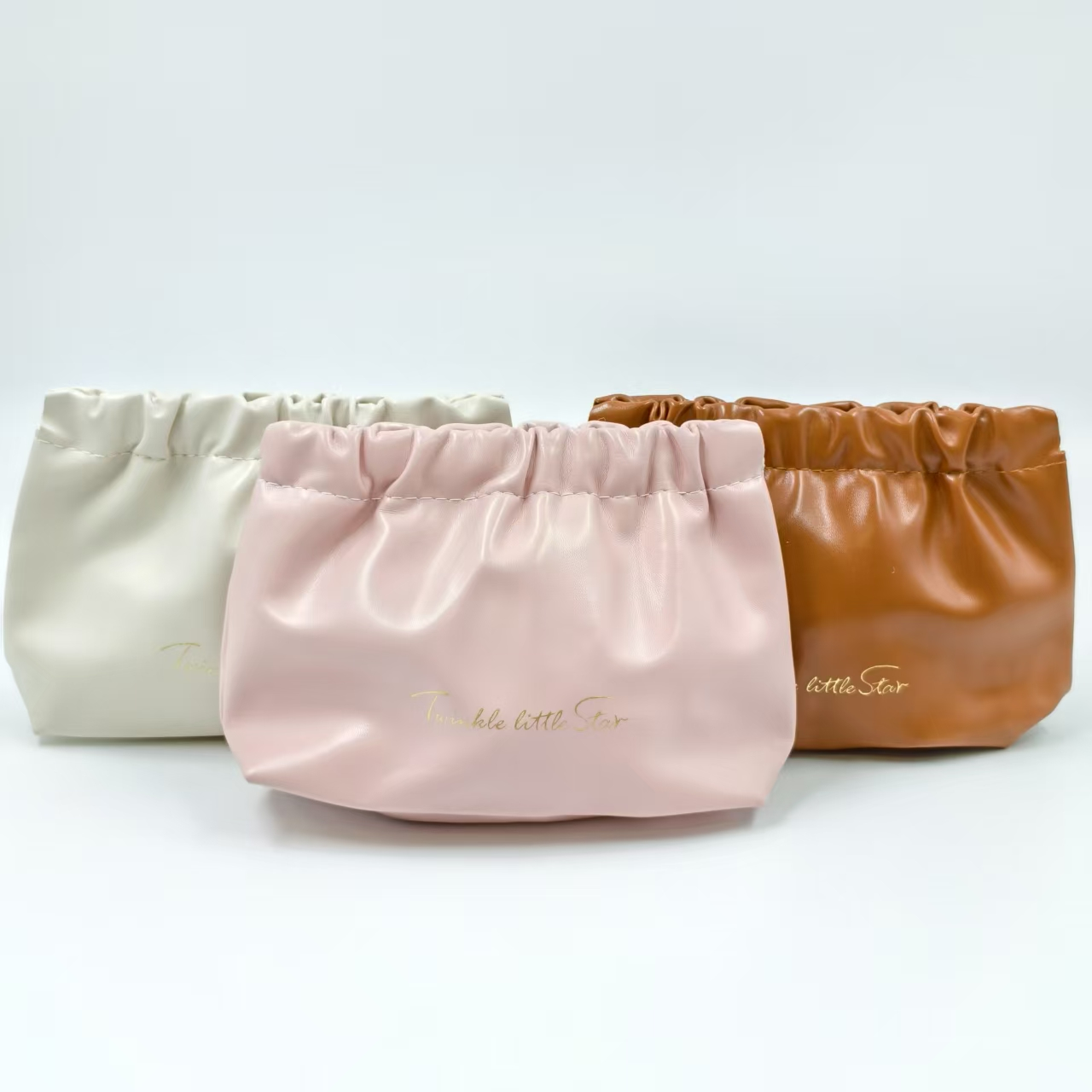
Polyester, nylon, cotton/canvas, PU-based and transparent sheet materials are broad families. Define composition, construction, weight or thickness, coating or finish, color, surface and any backing.
Assess hand feel, opacity or transparency, drape, structure, seam behavior, abrasion exposure, folding and decoration. Do not infer water resistance, durability, cleanability or environmental benefit from the generic name.
Design the lining for access and maintenance
Specify lining composition, construction, surface, color, seam finish and attachment. A light lining may improve visibility but can show staining; a dark lining may hide soil but change presentation. Treat both as design choices to validate.
For a cleanability or liquid-related claim, define the substance, contact time, cleaning method and acceptance criterion. Check seams, needle holes, zipper tape and bindings as well as the panel surface.
Use interlining and reinforcement deliberately
Foam, nonwoven interlining, quilting, boards and reinforced seams can change shape, cushioning, foldability, weight and drying. Define where each layer sits and what task it supports.
Load the bag with representative contents and check base shape, side collapse, corner stress, compartment stability and recovery after packing. More structure is not automatically better.
Match closure to the opening task
Define opening clearance, zipper or closure path, operating force, puller, tape, teeth or coil, end stops and reinforcement. Check whether brushes or tall containers can enter without snagging.
Operate the loaded bag in its expected orientation. If containment is claimed, define what the closure is expected to retain and the applicable test; a zipper alone does not make the complete bag leakproof.
Separate pockets from decorative compartments
Map each pocket or divider to a named item. Specify usable dimensions, opening, position, material, attachment and load. Mesh, elastic and transparent sections have different access, cleaning and snag considerations.
Test retrieval with the main compartment loaded. Confirm that organization features do not block the closure, reduce required capacity or create hard-to-clean corners.
Approve decoration on the chosen outer
Texture, coating, color, stretch and heat sensitivity influence printing, transfer, embroidery, embossing, patches and labels. Provide artwork dimensions, colors, placement and documented use rights.
Approve a strike-off or production-intent sample. Record registration, color, edge quality, adhesion, hand feel and relevant care or rub expectations.
Control cosmetic and environmental claims
Terms such as waterproof, water-resistant, recycled, eco-friendly, vegan or easy-clean need exact definitions and support for the target market. Identify whether the evidence covers one material, a component or the complete bag.
Record test method, threshold, entity, validity, percentage or chain-of-custody scope and applicable order. Do not extend one supplier statement to unrelated trims or batches.
Compare candidates with one sample protocol
Use coded candidates in the same or comparable construction. Review appearance, hand feel, structure, access, representative spill/soil behavior, cleaning, decoration, loaded use, pack-out and required tests.
Weight the criteria by product job and record tradeoffs. The final approved sample should use the intended outer, lining, structure, closure, trim and decoration together.
Build a material-controlled RFQ
Send the contents map, usable dimensions, outer/lining/interlining specification, construction, closure, compartments, decoration, claims, rights, quantity by SKU, pack-out, samples, tests, inspection, destination and date.
Ask suppliers to identify assumptions and alternatives separately. Material availability, MOQ, price, sample fee, capacity and delivery are subject to specification and written confirmation.
Frequently asked questions
Which material is best for a cosmetic bag?
No universal material is best. Choose the complete system from contents, leakage/cleaning scenario, structure, decoration, claims and cost.
Is PVC automatically waterproof?
No. A sheet property does not prove the assembled bag is waterproof; seams, needle holes, zipper and construction also matter.
What lining is easiest to clean?
Define the expected soil and cleaning method, then test the lining and seams. “Easy to clean” needs a stated scenario and acceptance rule.
Can buyers mix several materials?
Yes, when each layer or accent has a defined function and the combined construction, care, claims and appearance are approved.
Related sourcing guides
Sources and scope: the Luckystar custom cosmetic bag category and linked sourcing guides support product and process context. No material test reports or buyer outcome data was supplied for the former broad wear, stain, spill, customer-satisfaction, return, reputation, material-performance, market, regulatory or supplier-outcome claims, so those statements were removed. One unverified legacy image and legacy direct-contact details were removed; the standard GET QUOTE image was retained.
Request a cosmetic bag material-system review
Send the product job, contents, leakage/cleaning conditions, usable dimensions, outer/lining/interlining, closure, compartments, trim, decoration, labels/claims, rights, quantity/SKU split, samples/tests/inspection, pack-out, destination and date.
Use the website contact form or email a prefilled cosmetic bag material brief. Review the draft before sending.
Rights, materials, construction, appearance, care/performance, compliance and environmental claims, samples, tests, inspection, MOQ, price, capacity, availability and delivery are subject to qualified review, specification, sample approval and written confirmation.