Page role: This research-planning guide owns six 2026 shopping bag hypotheses and a buyer validation method for organization, storage, service life, branding, carry comfort and evidence-ready claims; it does not present forecasts as established market facts. Use the worldwide shopping bag manufacturer guide for a supplier shortlist, and the custom shopping bag collection for specification and quotation planning.
Buyer quick answer
The six ideas below are 2026 shopping-bag hypotheses to test, not claims of market-wide consensus or universal adoption. A buyer should define the use case, evidence source, product specification and pilot threshold for each idea before committing inventory.
Testing a shopping-bag concept? Send the hypothesis and specification for a sourcing-gap review.
Minimum validation brief
- Market, channel, audience, use case, launch window and price scenario.
- Signal source, query/filter, geography, metric and capture date.
- Contents, usable dimensions, load, carry distance and storage constraints.
- Original design, material/construction, claims, rights and approval owners.
- Pilot quantity, KPI, observation window, stop rule and reorder threshold.
Six shopping-bag hypotheses to validate
| Hypothesis | Specification question | Evidence to collect |
|---|---|---|
| 1. Contents-first organization | What must remain upright, separated or accessible? | Contents trial and user task test |
| 2. Compact storage | What folded size and reopening steps are acceptable? | Fold-cycle and pack-volume comparison |
| 3. Service-life focus | Which load, carry and care conditions matter? | Material and construction tests in stated scope |
| 4. Modular brand system | Which base design supports controlled artwork/color variants? | Decorated samples and SKU economics |
| 5. Carry comfort and access | What handle drop, grip and opening fit the task? | Loaded carry and access trials |
| 6. Evidence-ready claims | Which exact environmental/performance claim is planned? | Material, method, entity, date and scope evidence |
1. Contents-first organization
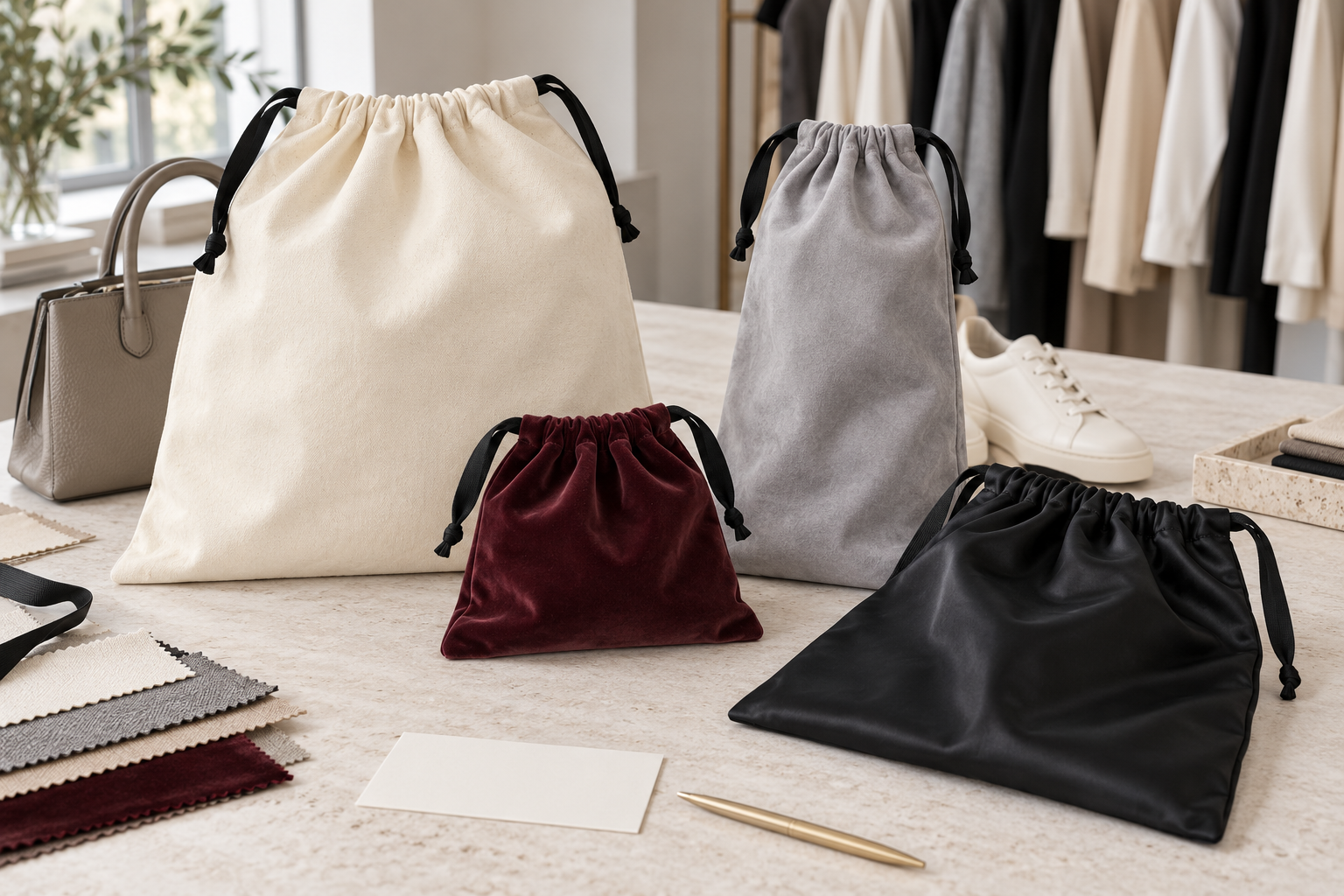
Begin with the items and task rather than a generic “multi-purpose” label. Record item dimensions, orientation, weight, leakage or breakage risk, access order and whether compartments must be fixed, removable or washable.
Build a contents map and test the loaded bag. A divider that improves bottle stability may reduce foldability or packing density, so approve the system rather than one feature in isolation.
2. Compact storage and pack efficiency
Foldable or flat-pack designs can be useful when customers store the bag between trips or when the buyer wants efficient distribution. Specify folded dimensions, closure/retention method, reopening steps and acceptable creasing.
Compare finished-product pack volume, carton quantity and recovery after storage. Do not assume a thinner material creates a better program if handles, seams or shape recovery fail the use case.
3. Service-life-focused construction
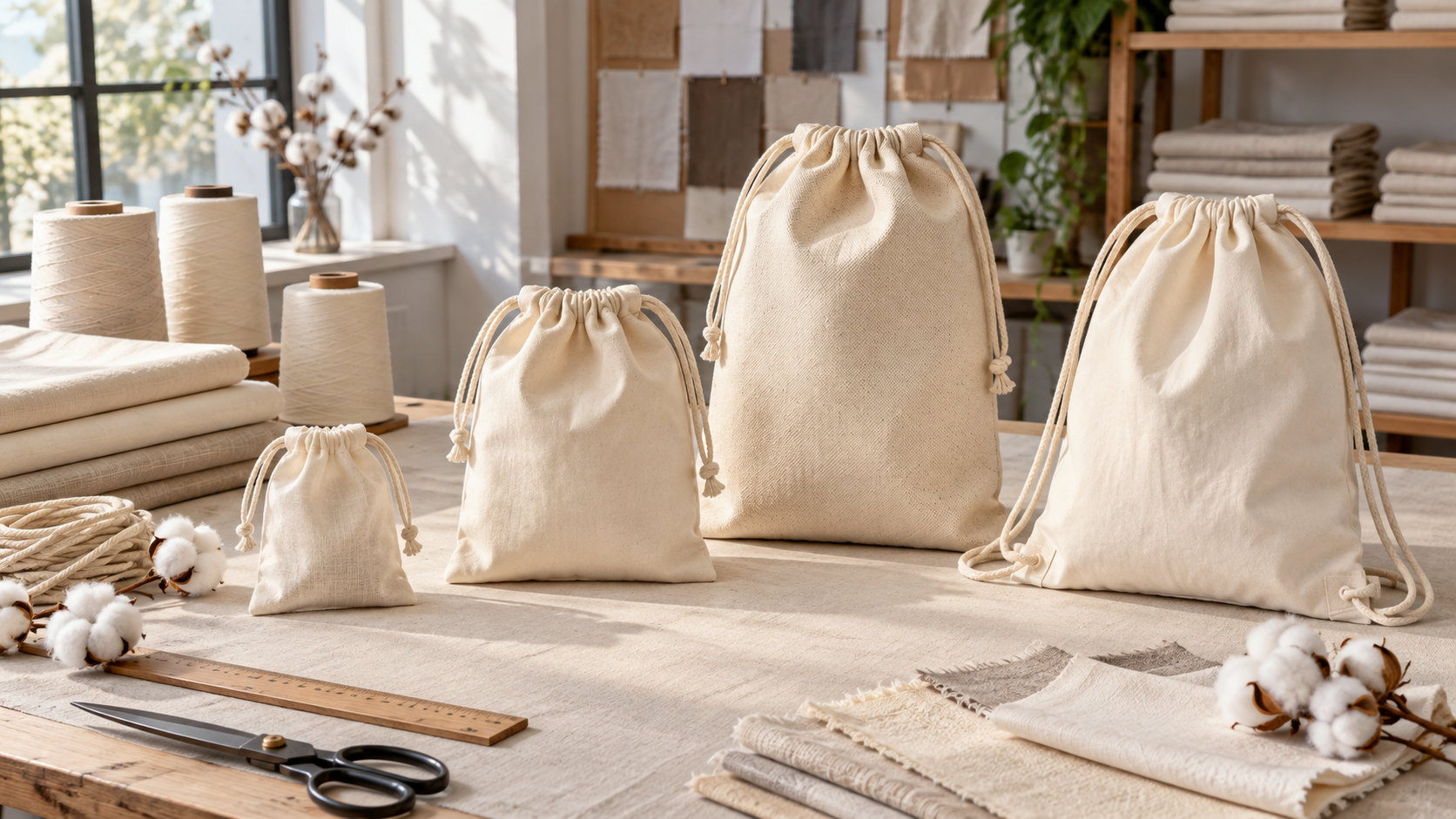
“Durable” needs a defined scope. State the rated load scenario, carry distance or cycle, handle attachment, seam type, reinforcement, base construction, closure, care method and workmanship criteria.
Select tests according to the actual material and claim. A result for one fabric, coating, color or sample does not automatically apply to every version or future lot.
4. A modular brand and color system
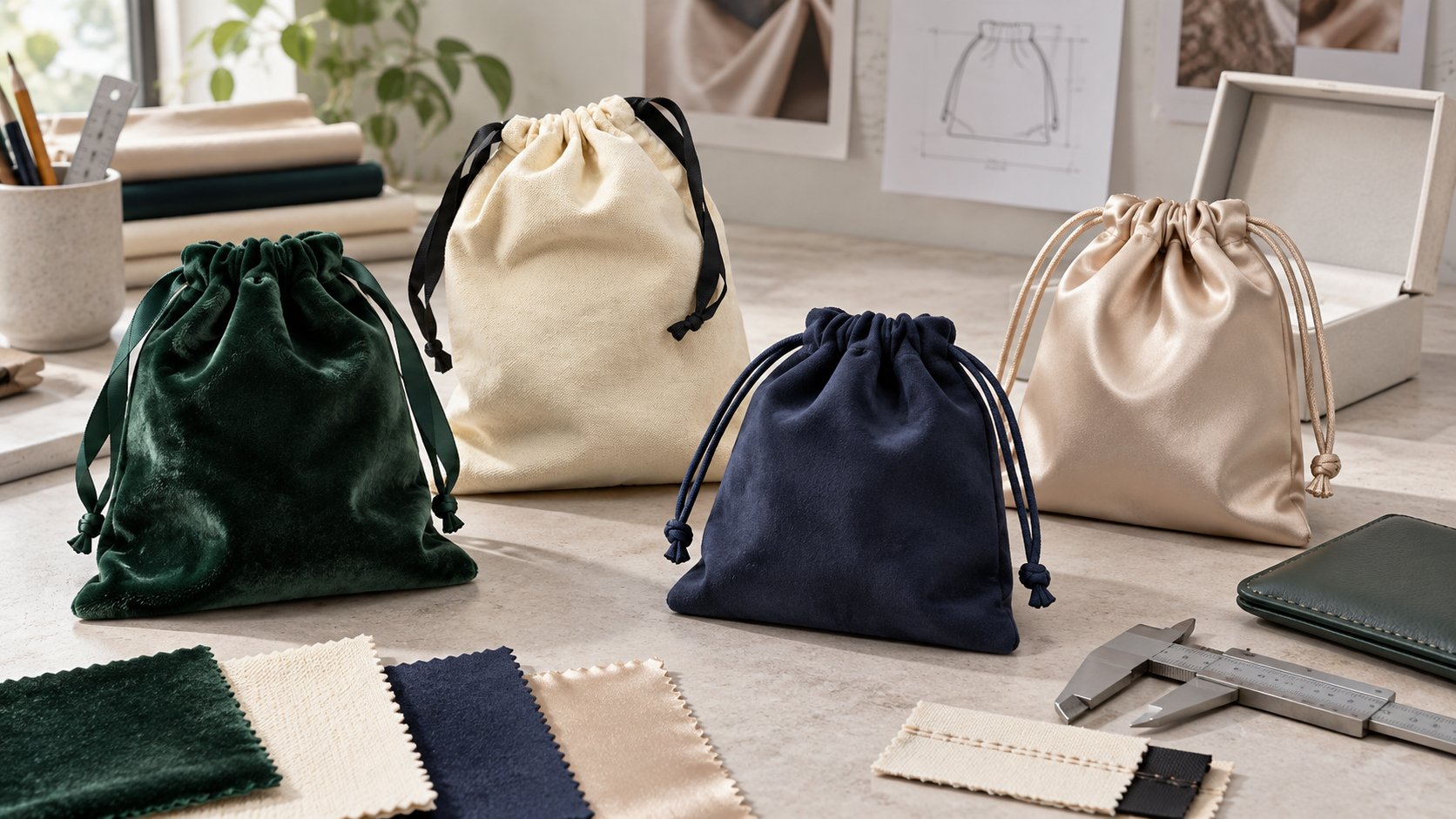
A stable base construction can support controlled variants in color, artwork, label or decoration, but each change may affect minimums, setup, appearance, care and cost. Define which components are common and which vary by SKU.
Approve decoration on the intended production material, color and finish. Review logo size, placement, contrast, registration, adhesion or stitch quality, and keep trademark/publication permissions with the artwork record.
5. Carry comfort and accessible openings
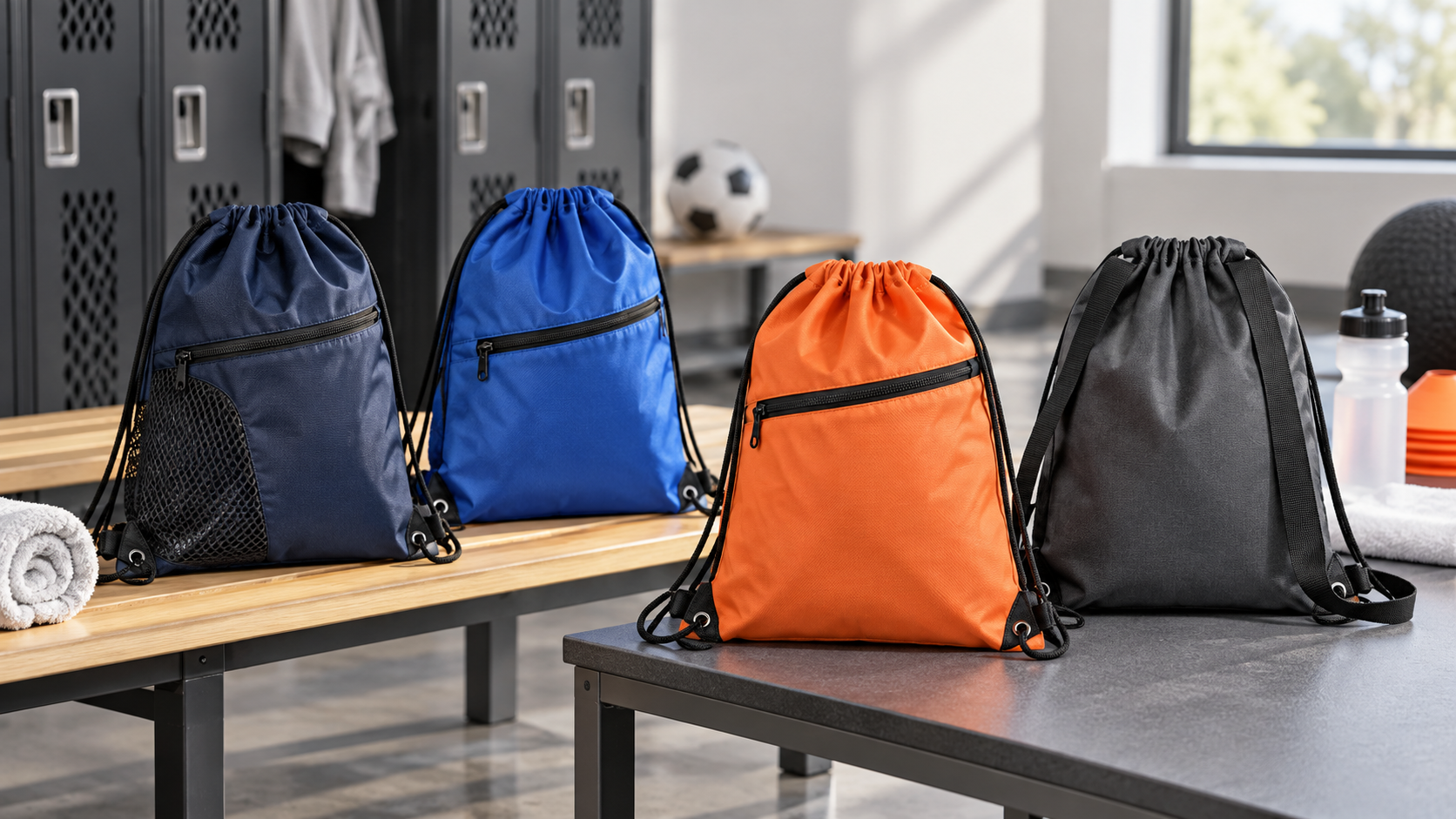
Handle drop, width, grip, attachment position and opening geometry should match the intended contents and clothing context. Record whether the bag is hand-carried, shoulder-carried or placed in a cart or vehicle.
Test access with the representative load. Measure the usable opening and internal space instead of relying on flat external dimensions. Note pinch points, strap twist, closure interference and edge discomfort.
6. Evidence-ready environmental and performance claims
Terms such as recycled, biodegradable, reusable, water-resistant or washable need exact definitions and evidence. Record material composition, percentage, test or verification method, responsible entity, date, product/batch and geographic/channel scope.
A supplier statement, file name or one sample report is not a universal claim. Keep public wording within the evidence scope, and use qualified language while facts or rights remain pending.
Collect trend signals without turning them into facts
Log editorial, search, social, marketplace and competitor observations with URLs, queries, filters, regions and dates. Count independent sources and remove duplicates. Separate what was observed from why the team thinks it matters.
Google's Trends data FAQ explains that search data is sampled, normalized and scaled to relative interest, and is not a scientific poll. TikTok for Business describes Creative Center as a source of trends and high-performing creative examples. Neither source alone proves shopping-bag unit demand in the buyer's channel.
Turn the selected hypothesis into an RFQ
State contents, usable dimensions, material stack, construction, handles, closure, organization, decoration, labels, claims, pack-out, quantity by SKU, sample stages, tests, inspection, destination and date. Require assumptions and substitution rules in writing.
MOQ, price, sample fee, capacity and delivery depend on the approved specification and order conditions. They are subject to specification and written confirmation.
Run a controlled pilot
Predefine the audience, channel, offer, comparison, quantity, stock, observation window, KPI, stop rule and reorder threshold. Review net units, sell-through, discounts, returns, complaints and contribution after channel costs.
Report the result only for the tested product version and context. Use failure reasons to revise the specification before scaling rather than relabeling a weak result as a broader trend.
Frequently asked questions
Are these six ideas guaranteed 2026 trends?
No. They are structured hypotheses that a buyer can validate with dated sources, samples and channel evidence.
Can one shopping bag serve every use case?
Rarely without tradeoffs. Contents, load, access, storage, decoration and price constraints should determine the design.
How should environmental claims be handled?
Define the exact claim and keep evidence tied to material, percentage, method, entity, date, product/batch and market scope.
When should a buyer scale?
When the original design, rights, specification, approved sample, evidence and pilot results meet the written threshold.
Related sourcing guides
Sources and scope: official Google Trends and TikTok for Business documentation, checked September 23, 2026, supports the stated limits and uses of those signal sources; the Luckystar custom bag category and linked sourcing guides support product and process context. No dated dataset was supplied for the former universal 2026 demand, sustainability, repeat-order, ROI or supplier-capability claims, so those claims were removed. One unverified legacy image, one unrelated product link and legacy direct-contact details were removed; the standard GET QUOTE image was retained.
Request a shopping-bag hypothesis review
Send the market, channel, audience, use case, source log, selected hypothesis, contents, usable size, load, quantity/SKU split, materials, construction, artwork, labels/claims, rights status, pack-out, samples/tests/inspection, pilot KPI, destination and date.
Use the website contact form or email a prefilled hypothesis brief. Review the draft before sending.
Rights, materials, construction, appearance, care/performance, compliance and environmental claims, samples, tests, inspection, MOQ, price, capacity, availability, delivery and commercial results are subject to qualified review, specification, sample approval and written confirmation.