Buyer quick answer
Choose a tote style and material from the use case, contents, load, usable fit, carry method, decoration, care and pack-out. A trend label does not show whether a material or silhouette will work for the order.
Page focus: this guide compares tote-bag style and material decisions. It does not forecast the market or identify any style as a universal 2026 leader.
Choosing a tote style and material? Send the use, contents and design references for a specification review.
Tote selection brief
- Use/channel, contents, target load, carry mode and top failure risks.
- Usable dimensions, opening, silhouette, gusset/base and closure.
- Fiber, construction, weight basis, finish, color and care.
- Handles, seams, pockets/lining, artwork, labels and claims.
- Samples, tests, inspection, quantity/SKUs, pack-out and arrival date.
Start with the bag’s job
A checkout carrier, sold retail tote, gift bag, event item and work bag can require different load, access, presentation, labels and packing. Define actual contents, environment and carry duration before choosing a visual direction.
Separate must-have functions from appearance preferences so alternatives can be evaluated without losing the core use.
Choose a silhouette from usable fit
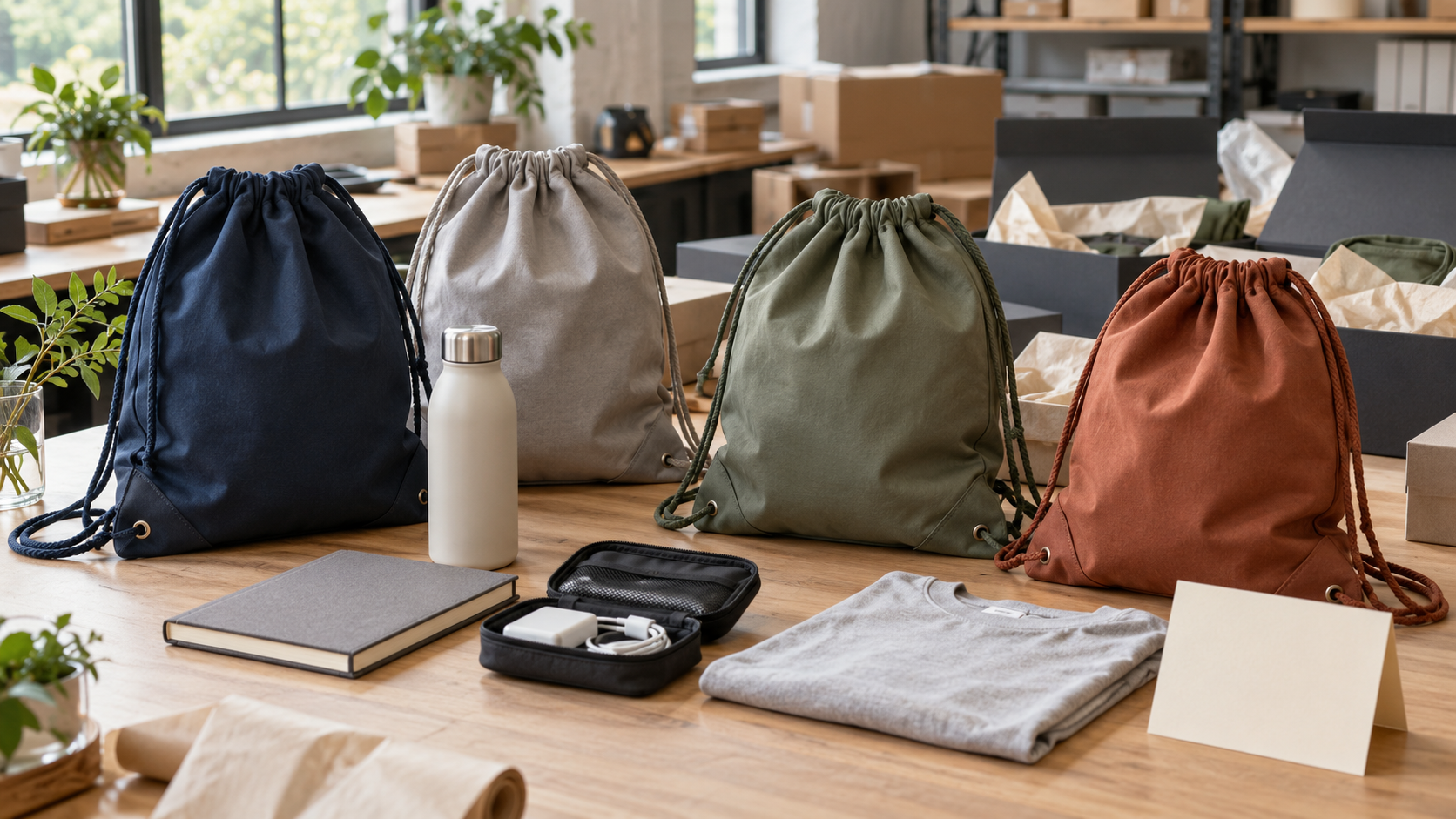
Flat tote: simple profile for flatter contents. Side-gusset tote: adds depth but changes filled shape. Boxed or base-gusset tote: may improve base volume. Structured tote: uses layers or support for a defined shape. Foldable tote: prioritizes packability and needs a controlled fold or pouch.
These are design routes, not performance rankings. Approve usable dimensions and opening with representative contents.
Specify canvas and cotton fabrics completely
Define fiber composition, woven construction, weight value and basis, color, finish, shrinkage/care scope and reference. “Canvas,” “cotton” and ounce labels alone do not establish strength, organic status or washability.
Review handle and seam construction with the fabric. Heavier material is not automatically more suitable.
Evaluate non-woven and synthetic fabrics by specification
State polymer/fiber, formation or weave/knit, weight basis, coating/lamination, finish, color and care. Consider tear/seam behavior, hand, folding, print compatibility and intended load through defined samples/tests.
Do not infer recycled content, water resistance, durability or environmental benefit from a category name.
Clarify jute, burlap-style and natural-look options
Identify whether the material is jute, another fiber, a blend or an imitation texture. Specify weave, weight basis, finish, lining, shedding/odor scope and product-contact sensitivity.
Natural appearance is not proof of biodegradability, compostability or lower impact.
Decide on structure, lining and pockets
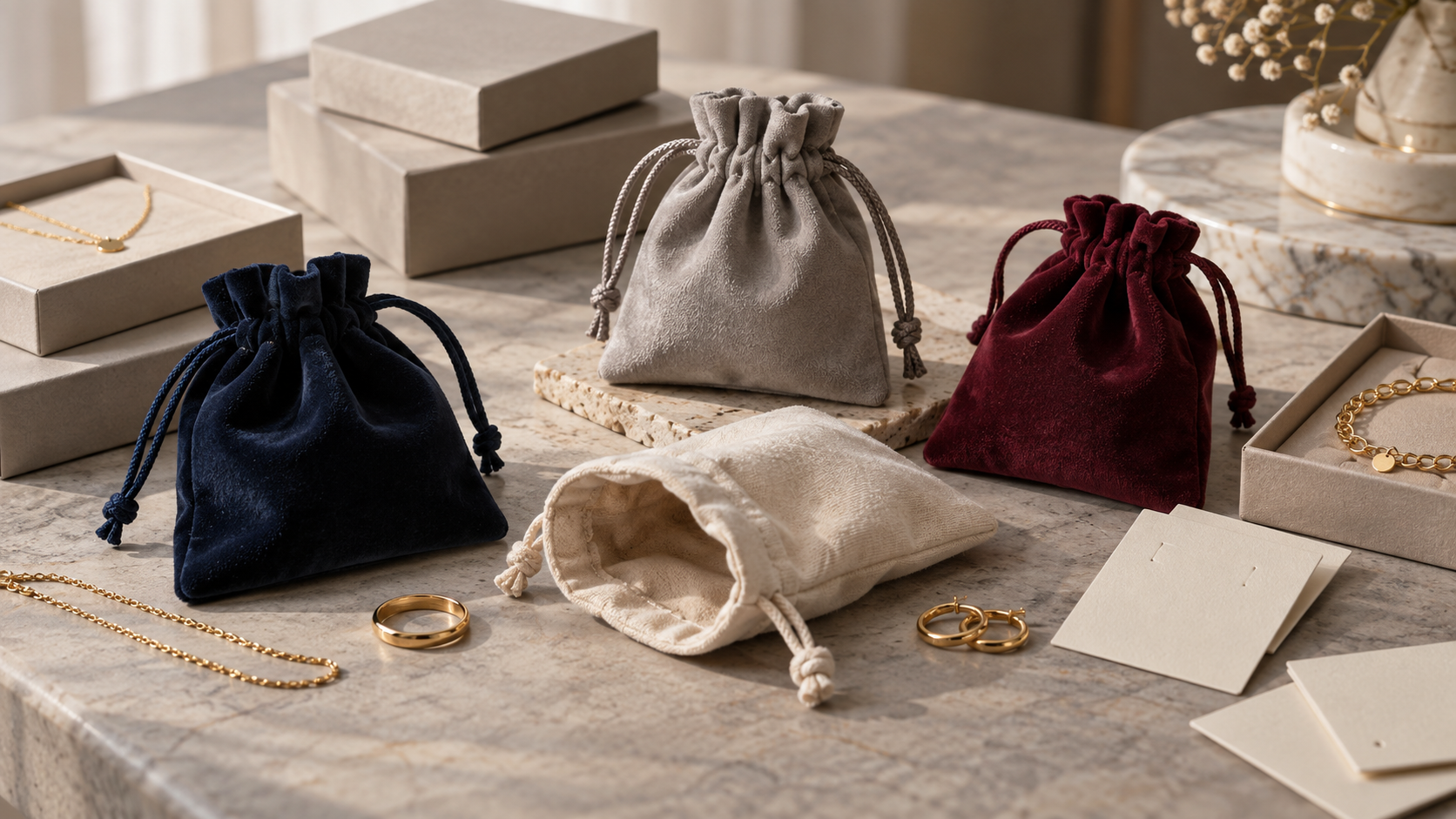
Lining, interlining, base inserts, closures and pockets add function but reduce usable space and affect cost and packing. Give every component a purpose and usable dimension.
Test access and filled shape with all pockets loaded. Define whether components are removable and how the bag is cleaned.
Engineer handles and the load path
Specify handle material, width, length/drop, spacing, attachment and reinforcement. Map force through upper seams, side panels, gusset and base.
Use a representative static or cycle load test with stated distribution, conditions and acceptance criteria.
Match decoration to the actual surface
Screen print, transfer, embroidery, patch, label and other methods interact differently with texture, coating, pile, stretch, seams and heat. Specify artwork version, colors, size, placement and orientation.
Approve a strike-off on production-equivalent material and check appearance, adhesion, rub, puckering or surface change as relevant.
Turn visual direction into a controlled reference
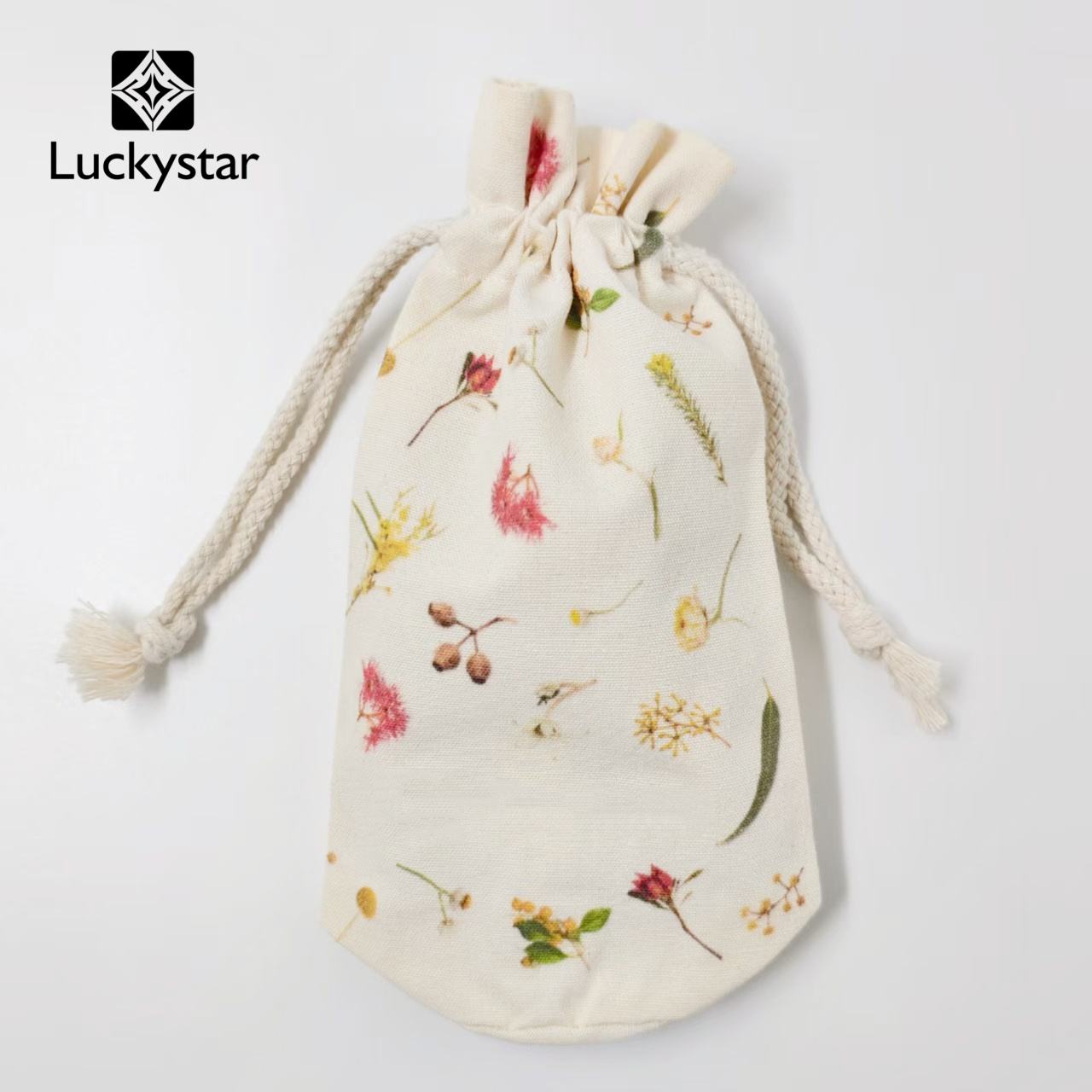
A mood board can show bold, neutral, patterned or minimal directions, but the final specification needs color standards, repeat/placement rules, panels, trim coordination and acceptable variation.
Confirm artwork and pattern rights for manufacture and public display. Do not infer audience preference without current market evidence.
Review claims and care wording
Recycled, organic, biodegradable, compostable, reusable, waterproof or other environmental/performance wording needs applicable evidence and defined scope. Approve exact text before artwork release.
Care instructions should come from the proposed material, decoration and order-relevant tests.
Build samples and a small assortment
Approve material/color, construction/fit, decoration/labels and packed presentation in stages. Freeze a numbered sample and inspection criteria.
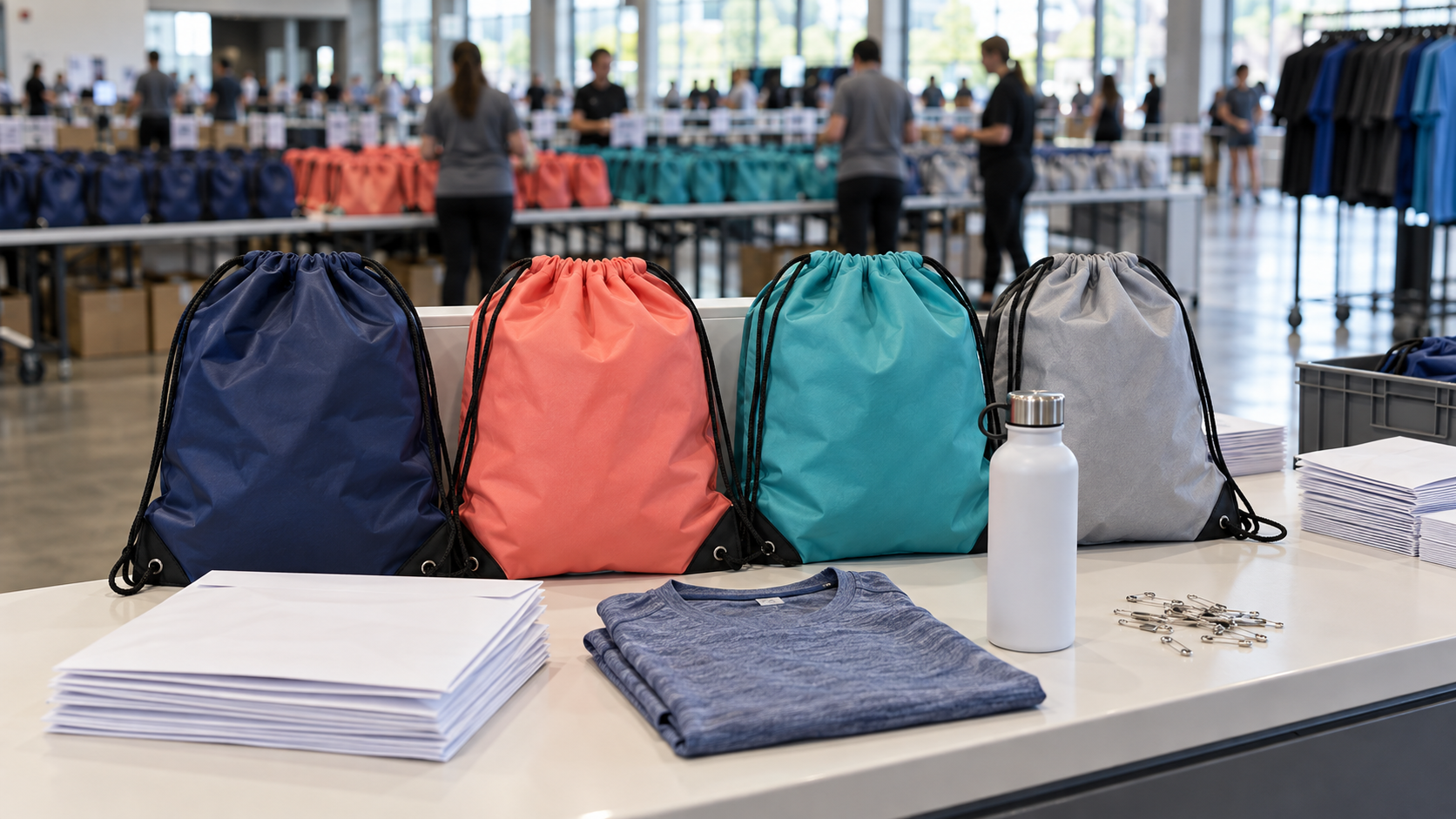
For a retail range, use the fewest sizes, colors and artwork versions that serve distinct uses. Record quantity and pack-out by SKU to expose setup and allocation complexity.
Compare quotations on one specification
Align material, dimensions, construction, handles, decoration, labels, samples, tests, inspection, packing, SKU split, trade term and destination. Require substitutions and exclusions in writing.
MOQ, price, availability and timing remain specific to the approved order.
Tote style and material decision matrix
| Decision | Buyer question | Approval evidence |
|---|---|---|
| Silhouette | Do contents fit, enter and carry correctly? | Filled measured sample |
| Material | Is the full identity and care scope defined? | Material reference and records |
| Carry | Does the complete load path meet criteria? | Defined load result |
| Appearance | Are color, artwork and variation controlled? | Decorated physical reference |
| Program | Are SKU, packing and quote assumptions aligned? | SKU matrix and itemized quote |
Frequently asked questions
Which tote material is best?
No material is universally best. Choose the complete material and construction from contents, load, care, decoration, claims, packing and price scope.
Are gusseted totes always larger?
Gussets change shape and potential depth, but usable fit depends on dimensions, seams, base and contents. Approve a filled sample.
Can one tote design serve retail and promotions?
Possibly, if both programs share fit, quality, labels, pack-out and commercial requirements. Validate each channel rather than assuming versatility.
What should be approved before bulk?
Approve materials/colors, dimensions, construction, load, artwork/labels/claims, care, packed presentation and inspection criteria.
Related sourcing guides
Source and scope: Luckystar custom tote-bag category and linked sourcing guides, checked September 22, 2026. They support product and process context; they do not prove 2026 trends, market leadership, consumer preference, sustainability, durability/water resistance, brand exposure, ROI, customization/OEM/ODM capability, fixed MOQ/price/timing or delivery. One external product link, personal contact details and two legacy body images were removed pending current evidence and publication-rights verification.
Request a tote style and material review
Send use/channel, contents/load, silhouette and usable size, material identity, handles/construction, pockets/closure, artwork/labels/claims, samples/tests/inspection, quantity/SKUs, packing, destination and required date.
Use the website contact form or email a prefilled selection brief. Review the draft before sending.
Materials, construction, load/care/water performance, environmental claims, artwork/publication rights, MOQ, price, capacity, availability and delivery are subject to qualified review, sample approval, specification and written confirmation.