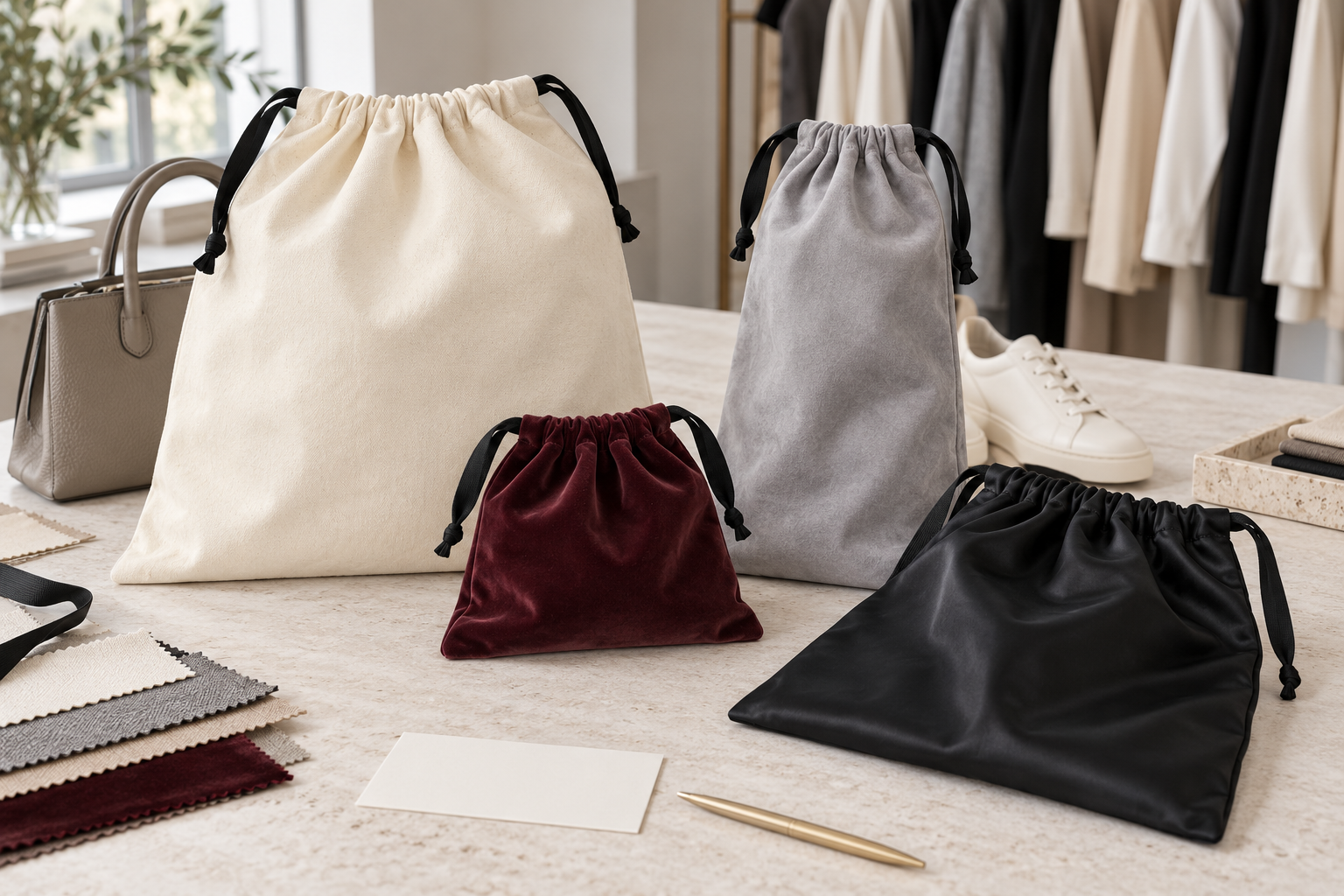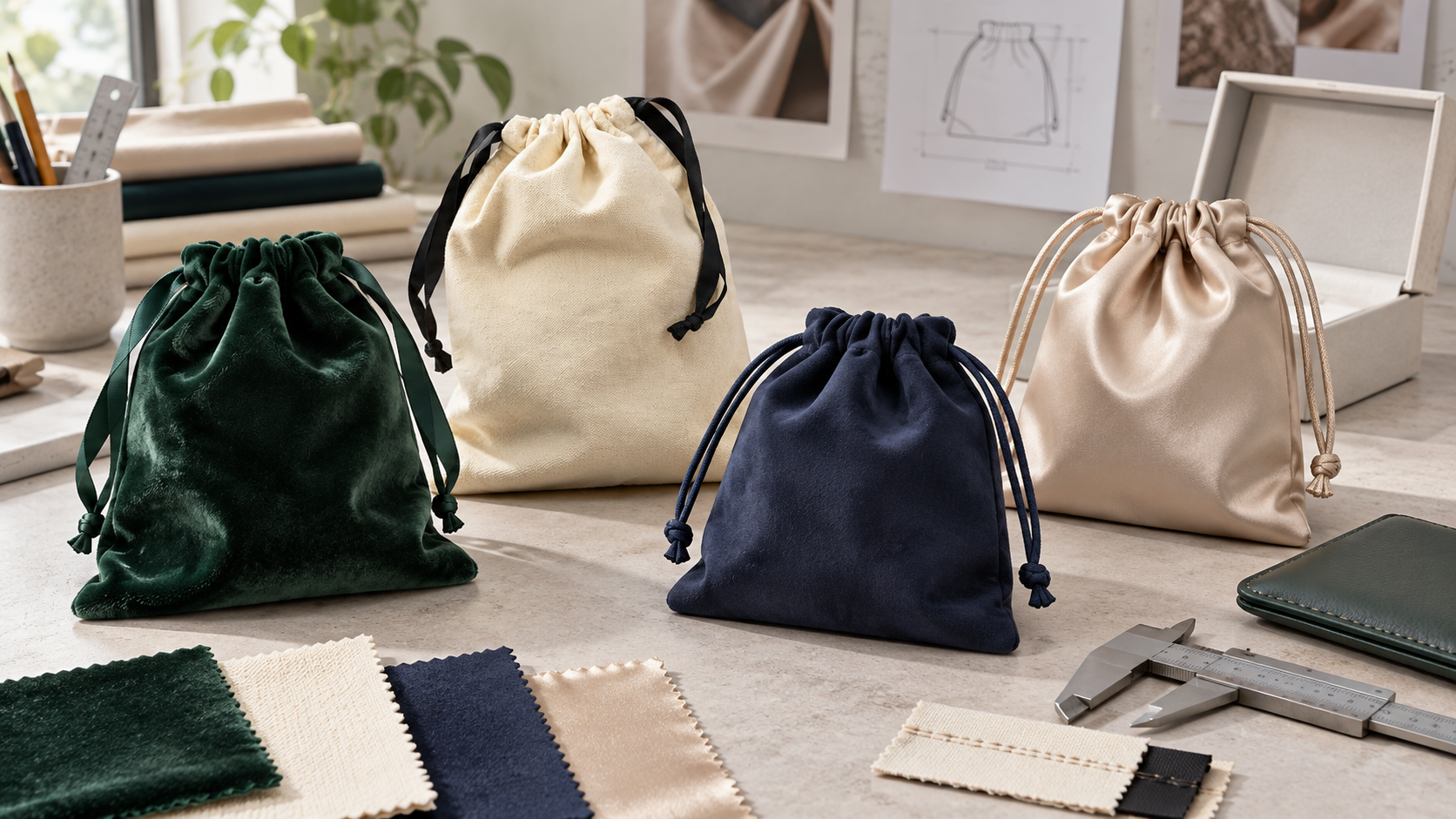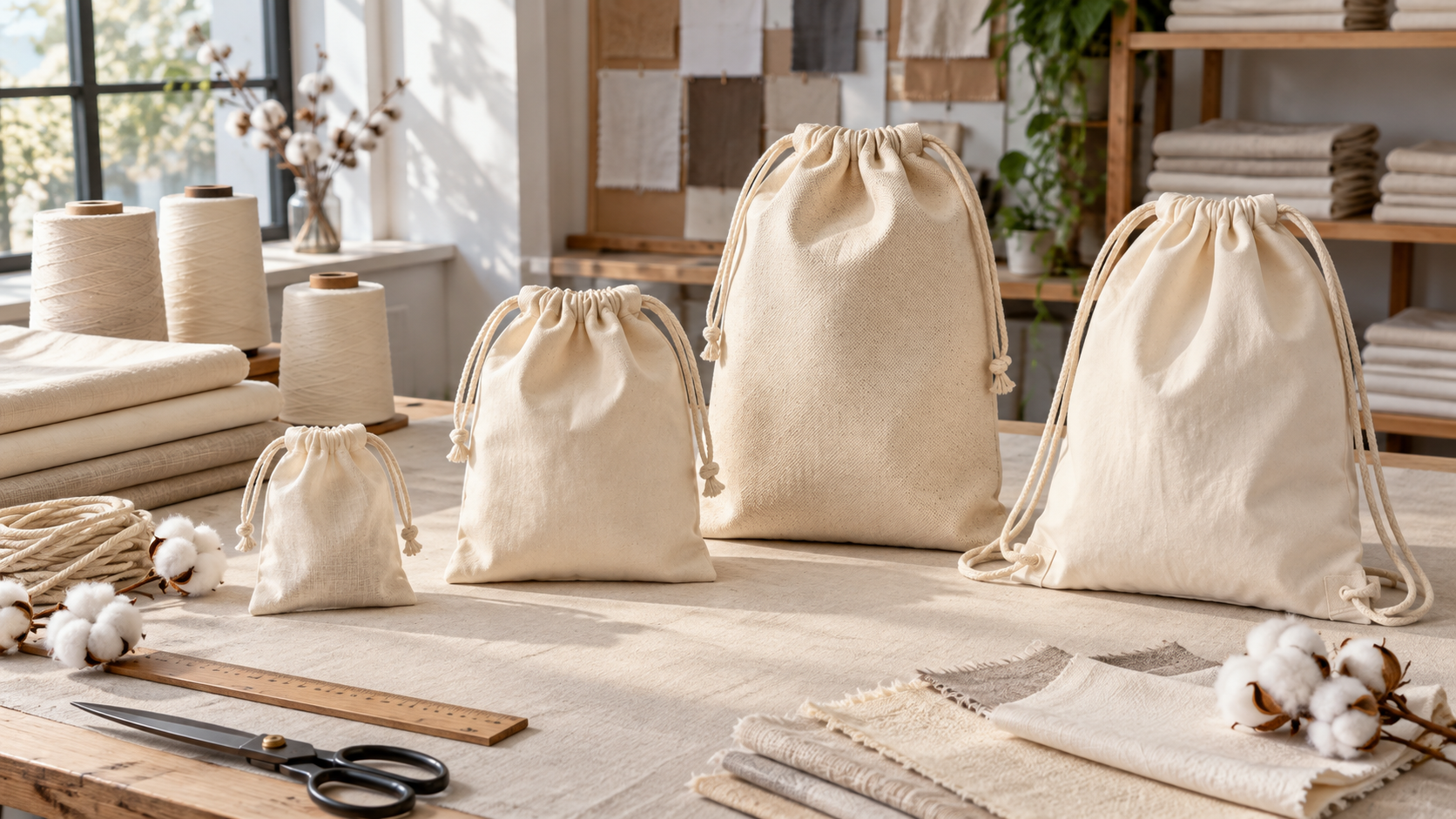
Buyer quick answer
Compare canvas makeup bag distributors by exact fiber and canvas construction, usable kit fit, lining and zipper, decoration, stock or new-production route, SKU allocation, inspection and reorder controls. A distributor's value should be visible in allocation, consolidation, quality records and change communication.
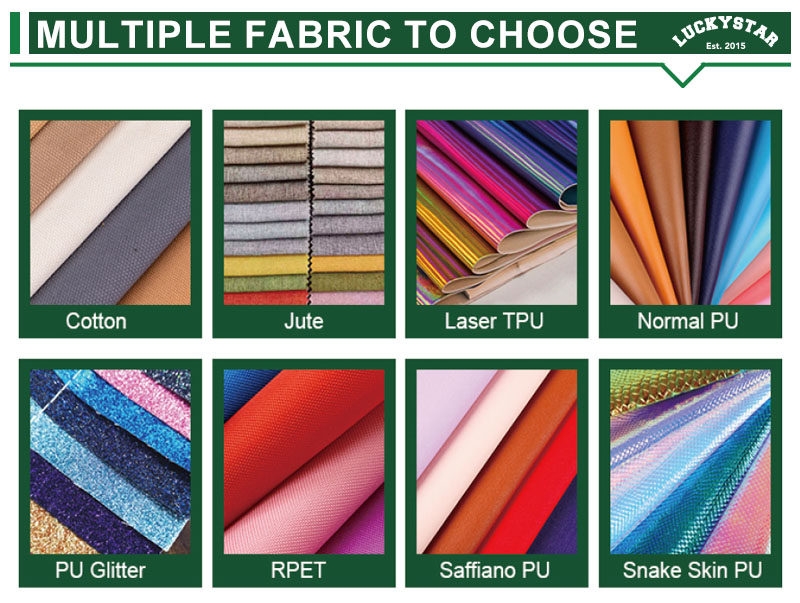
Material boundary: Canvas is a fabric construction, not proof of cotton, organic/recycled content, washability, leak containment or environmental benefit.
Planning a multi-SKU pouch program? Send the kit, exact canvas/lining specification, quantities, allocation and reorder plan for a distribution review.
Define the makeup kit and usable pouch
List bottles, jars, palettes, brushes and accessories with dimensions and orientation. Specify finished and usable width, height, gusset and opening. Pack the complete kit into a representative sample and check insertion, removal, zipper operation and presentation.
Outside size alone is insufficient because seams, lining, padding, binding and zipper tape reduce space.
Freeze the distributor specification
- Outer: fiber composition, canvas construction, weight method, color and finish.
- Interior: lining identity, backing/padding, pockets and cleanability expectation.
- Hardware: zipper tape, teeth, slider, puller and opening direction.
- Branding: artwork, method, size, placement and color standard.
- Program: quantity per SKU/destination, labels, pack, inspection and reorder plan.
Separate canvas from cotton claims
Require the exact fiber composition and evidence rather than assuming a natural-looking canvas is cotton. Record fabric weight with its unit and basis, plus weave appearance, hand feel, color and tolerances. If organic, recycled or certified input is required, define the exact document and scope.
Approve the outer and lining as a combined structure. The lining can change shape, feel, cleanability, product contact and sewing performance.
Check lining, zipper and spill expectations
Define lining material, seam/attachment, pocket layout and the intended cleaning method. Cycle the zipper with the actual kit inside and inspect end stops, corners, lining capture and opening access.
Coated or smooth linings do not automatically make the pouch leakproof or waterproof. If containment or cleanability matters, use a defined finished-bag method and acceptance criteria.
Approve decoration on production canvas
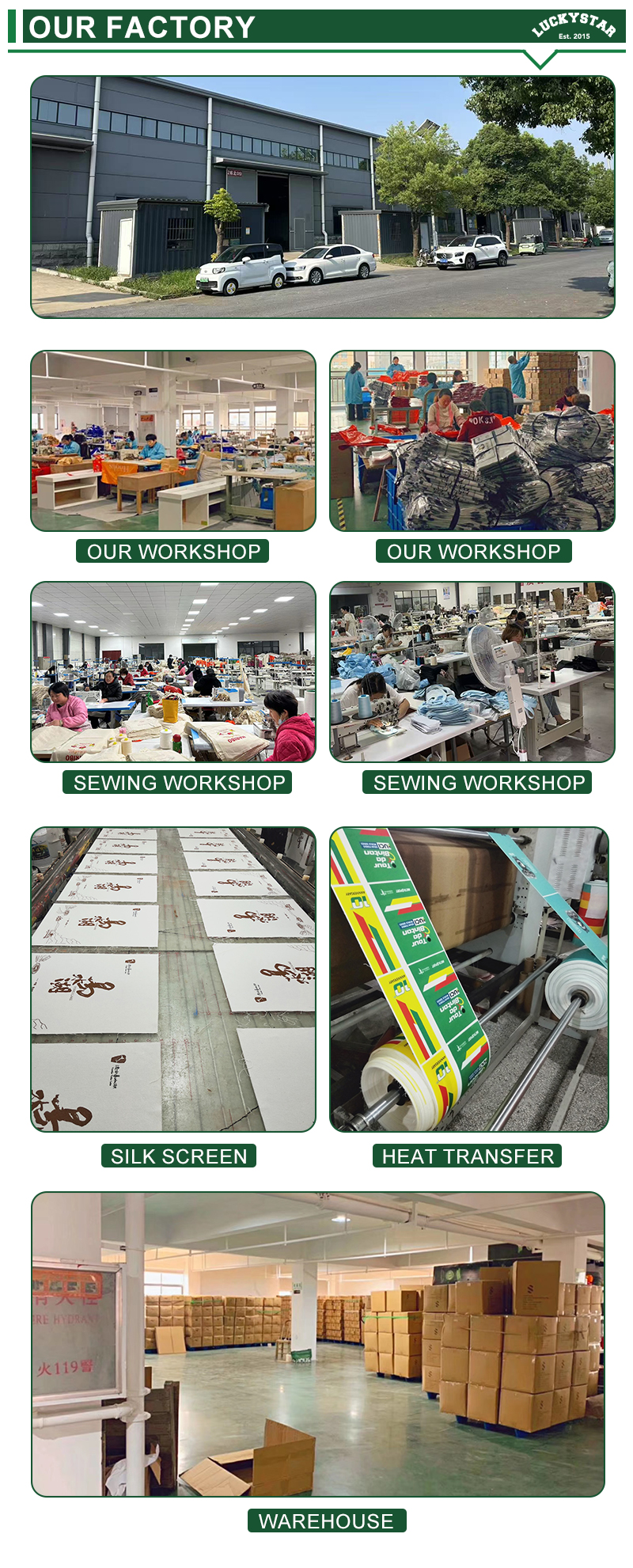
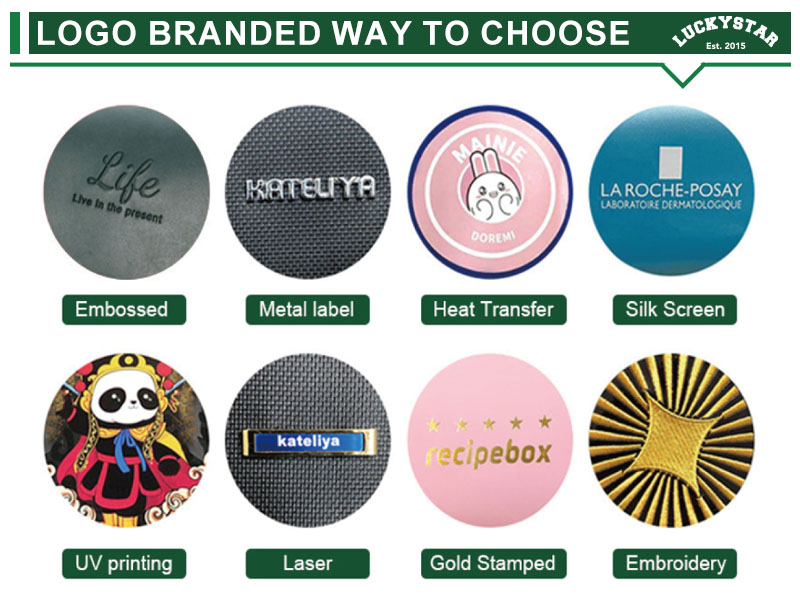
Canvas texture affects coverage, edges and fine detail. Provide vector artwork, actual size, placement from seams and zipper, color references and minimum text. Ask for the proposed print, embroidery, transfer or label method.
Approve the method on the exact outer material. Review registration, coverage, show-through, puckering, hand feel and placement in the filled condition.
Distinguish stock, allocation and new production
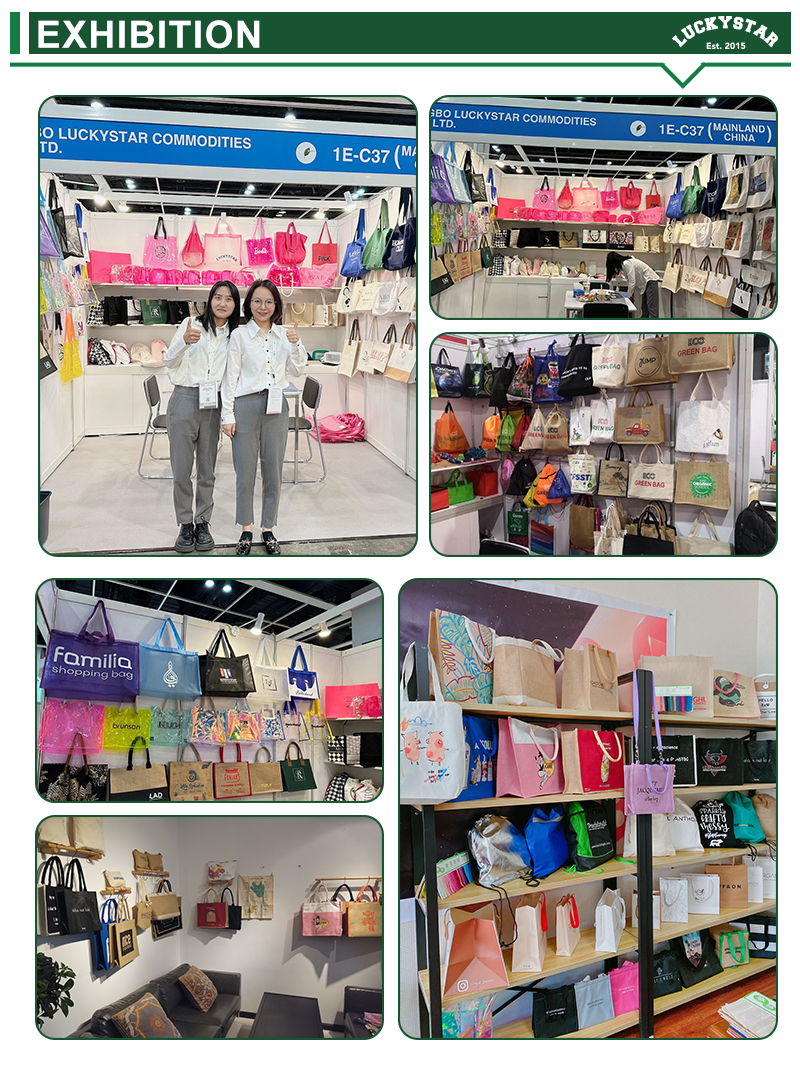
For stock, record quantity by SKU and lot, material/version, inspection status, reservation period and replenishment limits. For new production, record MOQ and setup by size, color, artwork and pack, plus sample and first-output approvals.
Ask the legal seller to identify the actual maker, decorator, inspector and packer for the quoted route. A distributor title does not establish ownership of production.
Plan lot and reorder consistency
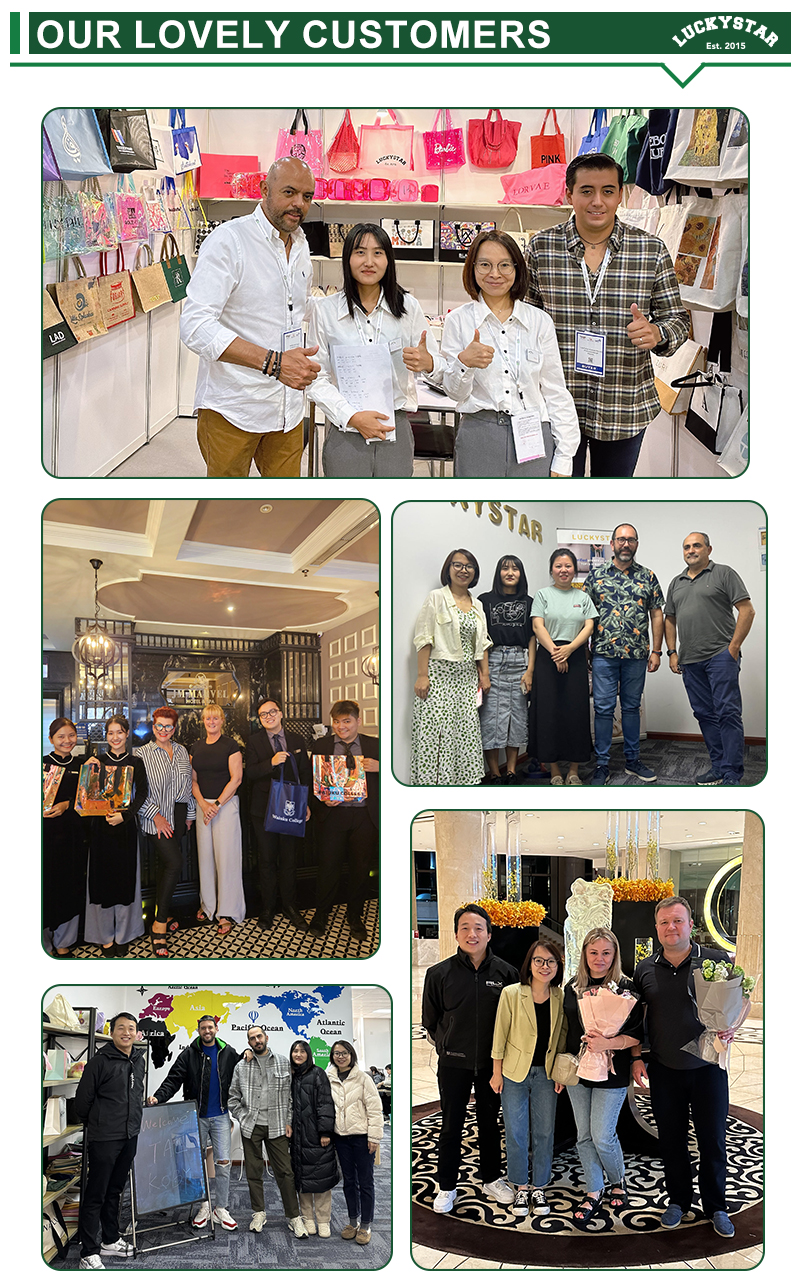
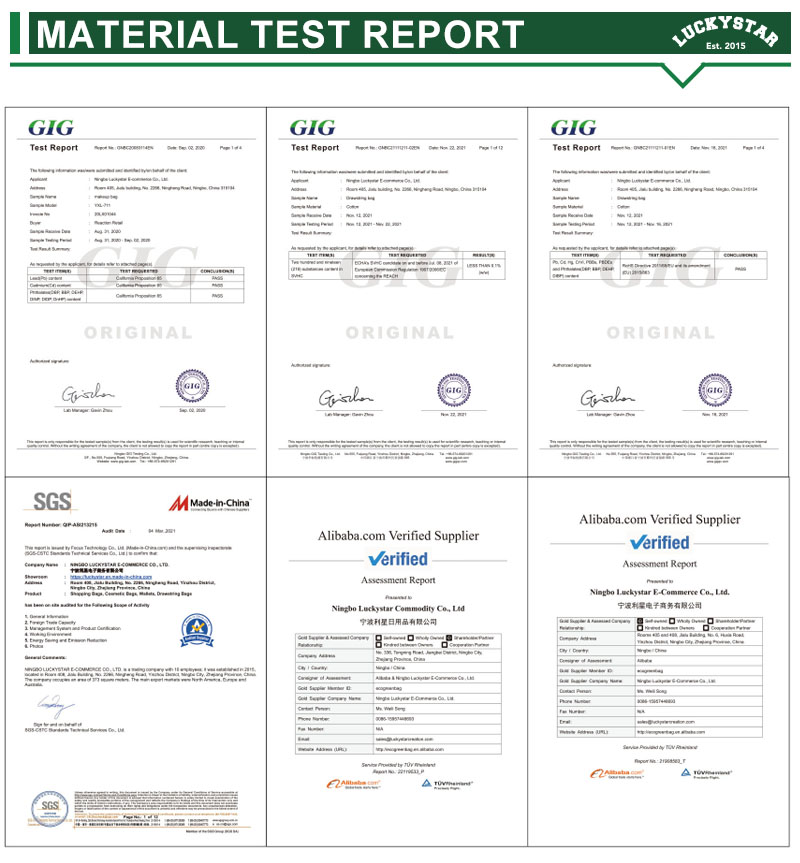
Retain the approved outer/lining swatches, finished sample, zipper/hardware references, artwork, labels and inspection record. Require disclosure of material, color, hardware or process changes before a reorder.
Define how mixed lots are handled and whether destinations may receive different lots. Reconfirm current availability, MOQ, price and timing each time.
Distributor control matrix
| Control | First order | Reorder |
|---|---|---|
| Material | Outer/lining declarations and references | Lot/version and changes |
| Fit | Filled sample and usable dimensions | Retained sample comparison |
| SKU | Quantity and allocation matrix | Availability/MOQ per line |
| Quality | Inspection and remedies | Lot inspection/change record |
| Commercial | Itemized quote, basis and validity | Repricing/resampling triggers |
Frequently asked questions
Is canvas always cotton?
No. Specify and verify the fiber composition.
Does a lining contain cosmetic spills?
Not automatically. Finished-bag construction and an agreed test determine any limited claim.
Can a distributor guarantee replenishment?
Only under explicit stock allocation or production terms. Record reservation, lot and reorder assumptions.
What should be inspected?
Check material/version, dimensions, zipper, lining, seams, pockets, decoration, labels, unit pack, carton quantities and allocation.
Related sourcing guides
Source and scope: Luckystar custom cosmetic-bag category and linked sourcing guides, checked September 21, 2026. They are format and process references, not proof of fiber content, leakage/cleanability, stock, factory ownership, fixed MOQ, price or delivery. Existing article images are illustrative and still require topic-relevance and publication-rights review.
Request a canvas makeup bag distribution review
Send the kit, usable size, outer/lining materials, zipper, artwork, SKU/destination quantities, stock/new-run preference, inspection, packing, reorder plan and date.
Use the website contact form or email a prefilled distribution RFQ. Review the draft before sending.
Material, performance, stock, MOQ, price, availability, capacity and delivery are subject to specification and written confirmation.