Start with the use case, not the fabric swatch
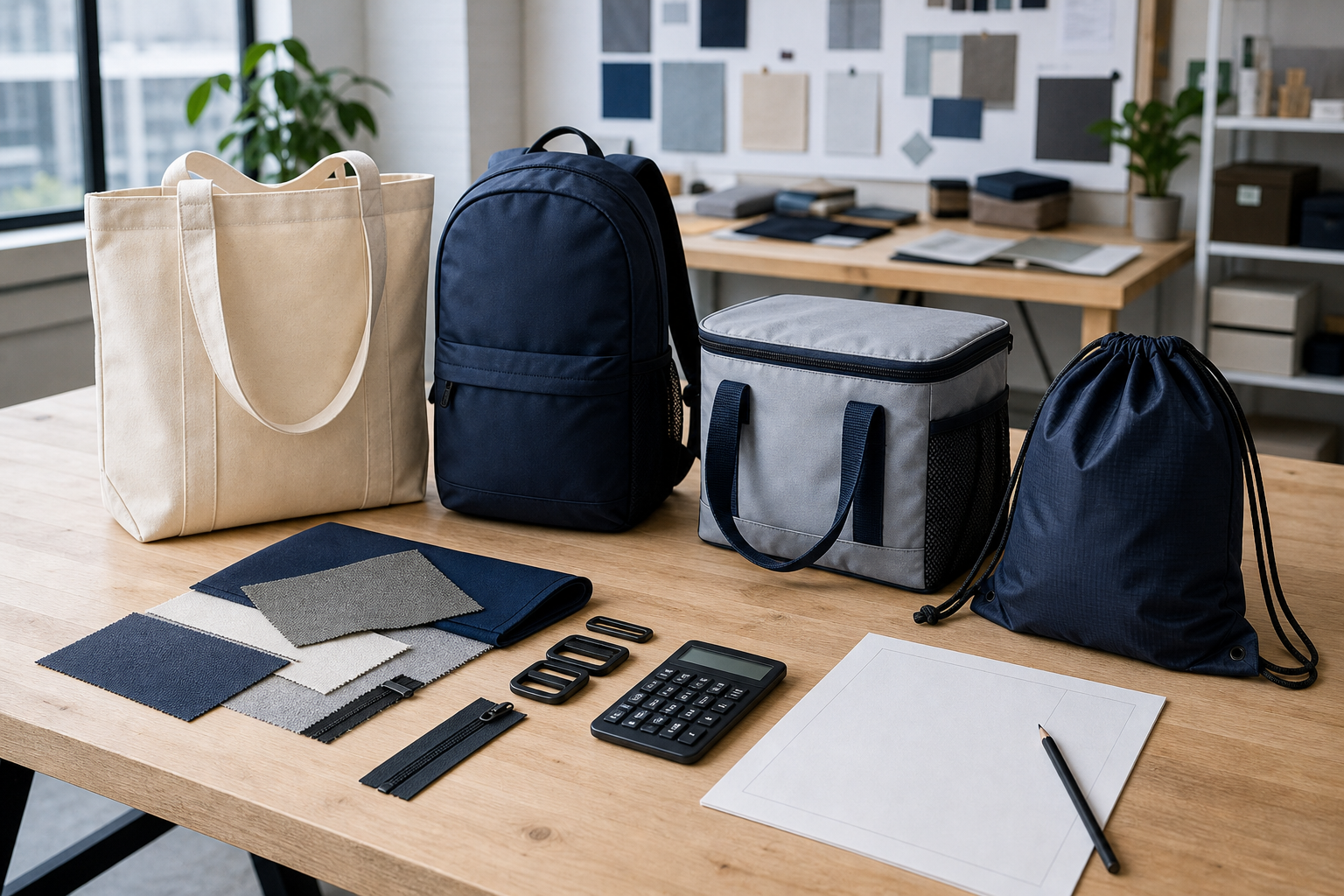
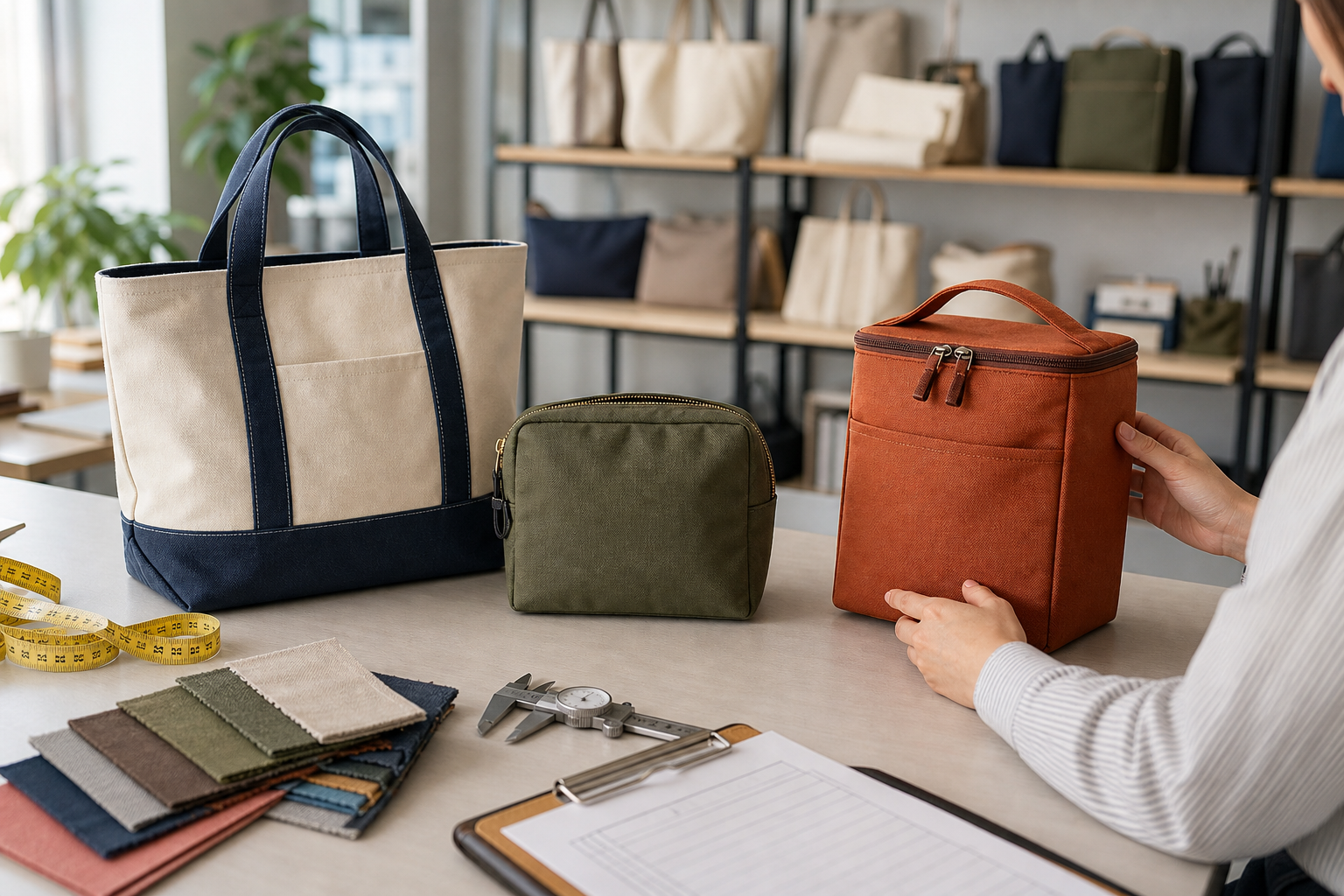
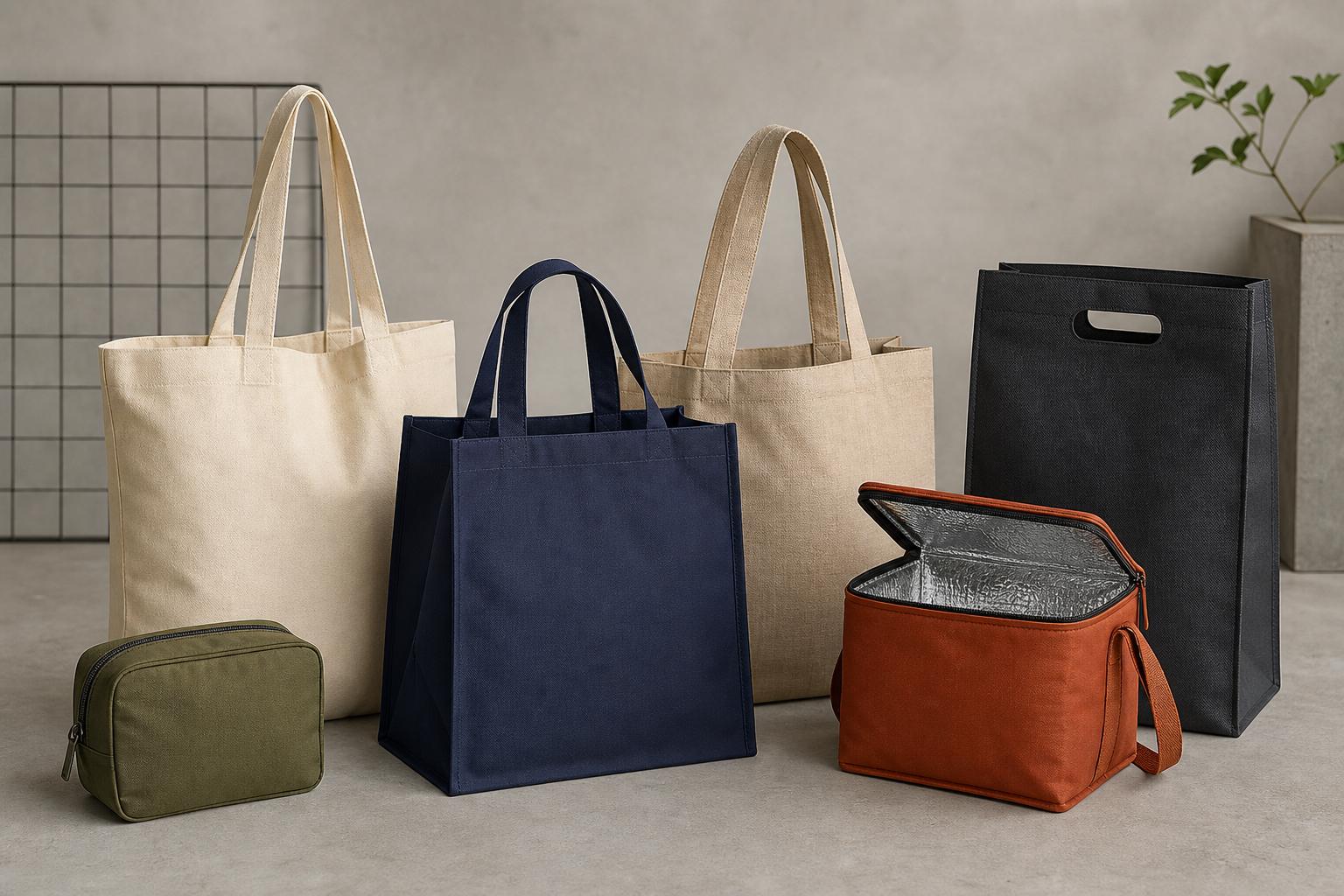
Most sourcing conversations about a cosmetic bag manufacturer in China begin with a photo and a target price. That is understandable, but it skips the decision that shapes almost everything else: how the bag will be used. A pouch for a holiday gift set does not need to behave like one that lives in a carry-on every week. The first may be judged mainly on presentation; the second has to survive repeated opening, packing and cleaning.
Write the use case at the top of the RFQ. Include what will go inside, how the bag will be packed, where it will be sold and whether it needs to stand upright when empty. A factory can make much better recommendations when those details are clear.
Read the sample like a production buyer
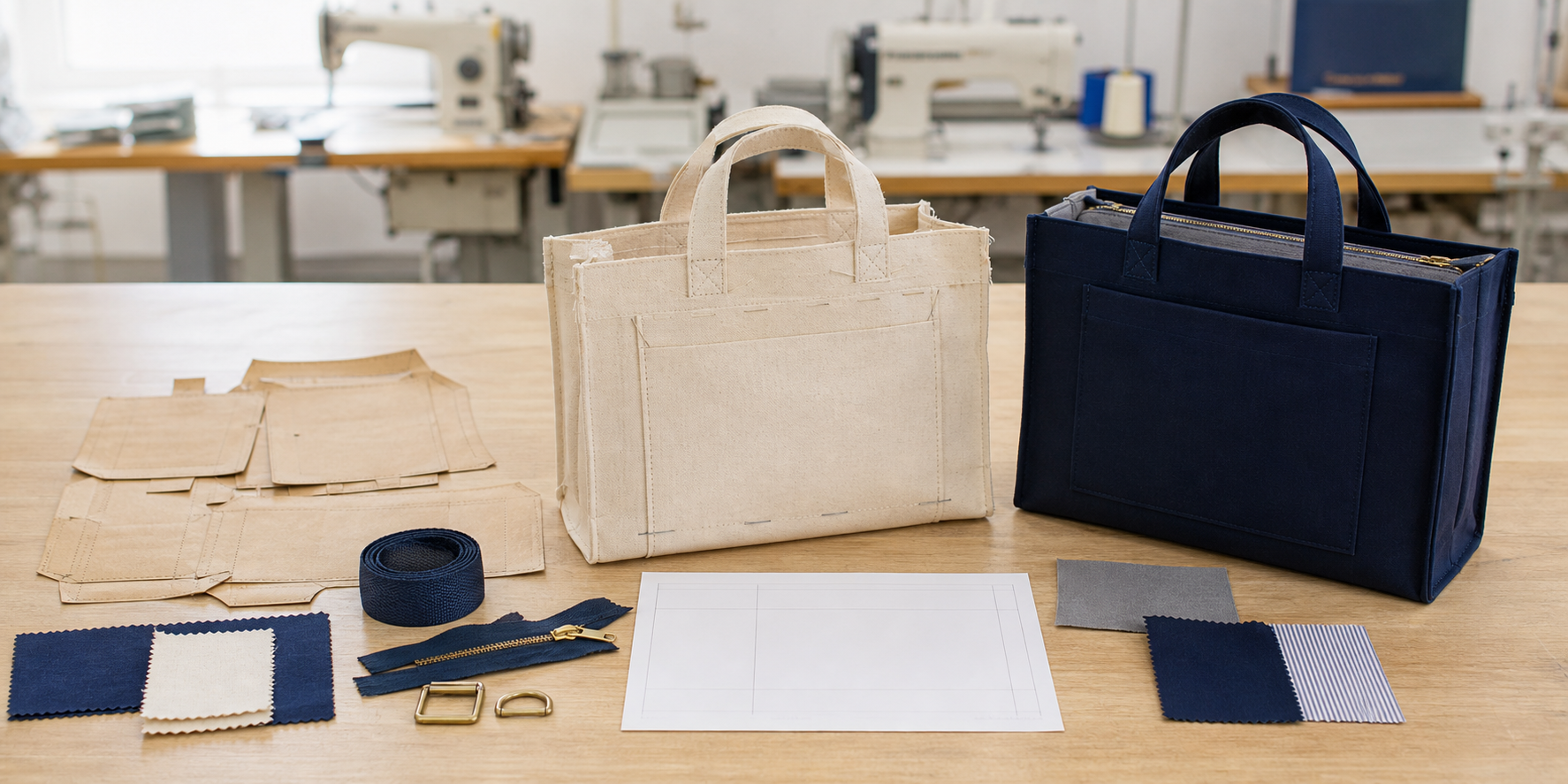
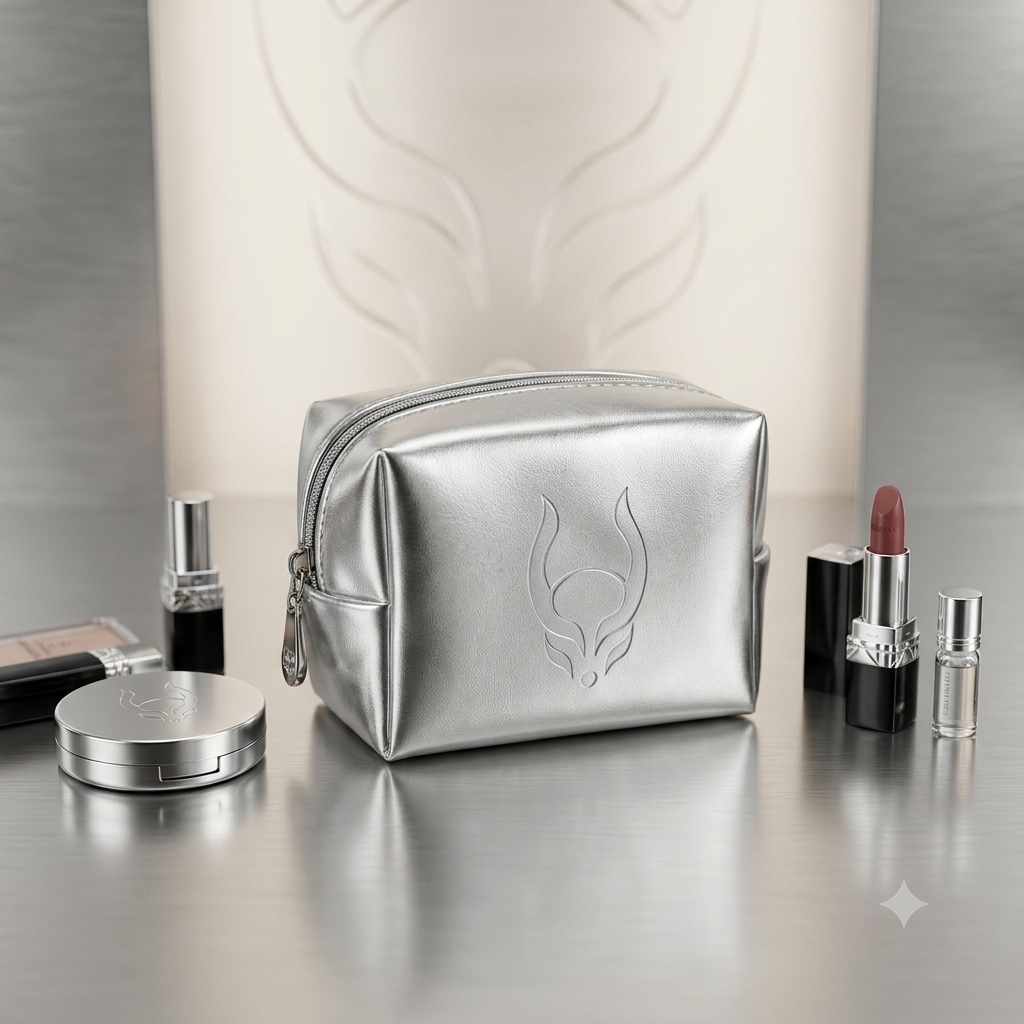
A good-looking sample is only the starting point. Pick it up, open it ten or twenty times and place the intended products inside. Check whether the zipper turns the corners cleanly, whether the seams pull under load and whether the bag still sits square after it has been packed overnight. If the finish is metallic or coated, rub a hidden area with a dry white cloth and ask how the material performs after normal handling.
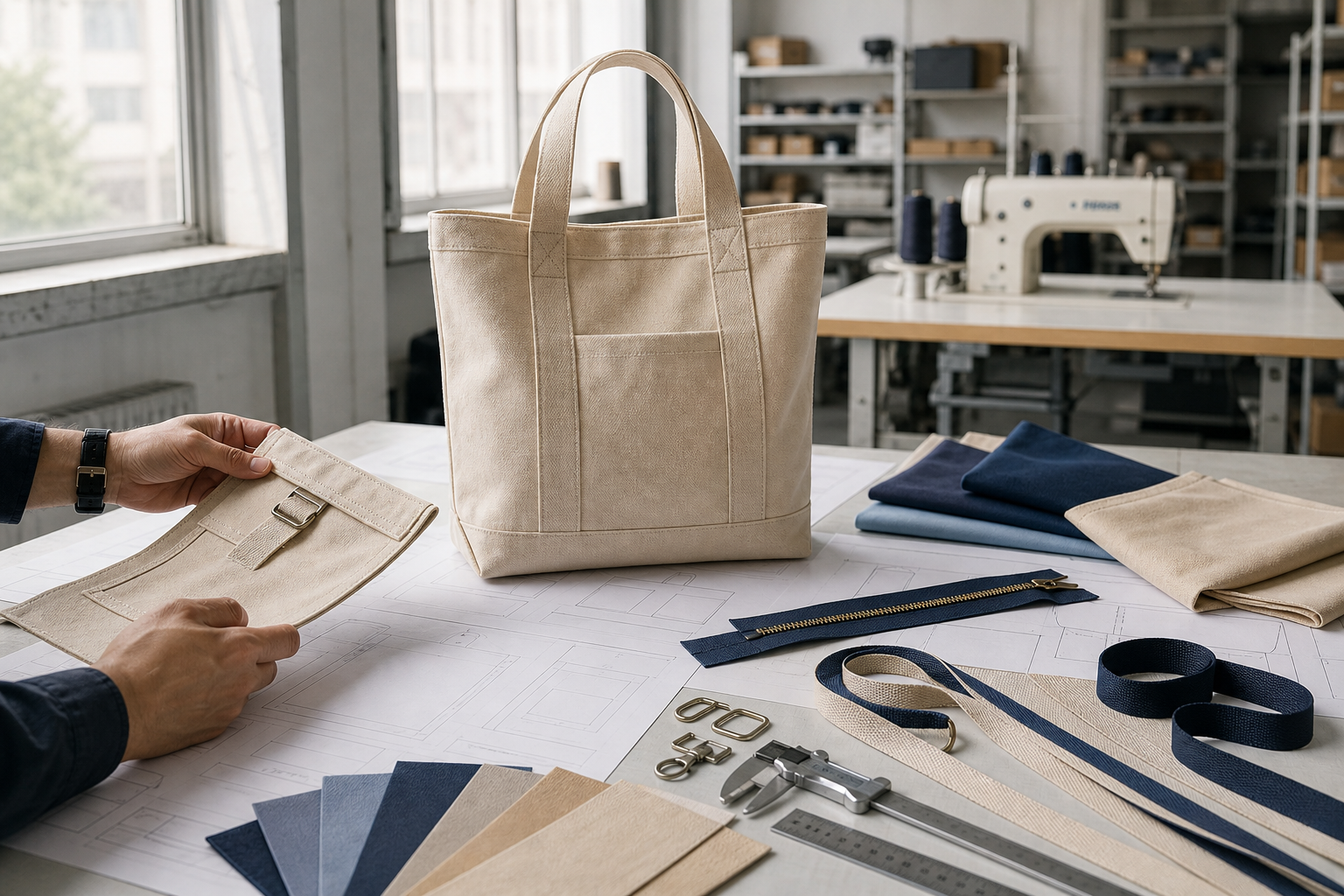
Structure is usually a combination of the outer material, backing, foam or board, lining and seam construction. That is why two bags with the same dimensions can feel completely different. Ask the supplier to describe the full material stack rather than naming only the visible outer layer.
Put the important details in the RFQ
A short table is more useful than a long chain of messages. The points below give a factory enough context to quote and sample the same product you have in mind.
| RFQ item | What to specify | Why it matters |
|---|---|---|
| Use case | Retail set, travel, samples, subscription box or promotion | Guides the structure, finish and packing method |
| Size | Finished width, height and depth, plus tolerance | Prevents surprises when products are packed inside |
| Material | Outer layer, backing, lining and any padding | Controls feel, durability and cost |
| Closure | Zipper type, puller shape and opening direction | Affects daily use and assembly consistency |
| Branding | Print, embroidery, patch, embossing or debossing | Determines artwork limits and sampling method |
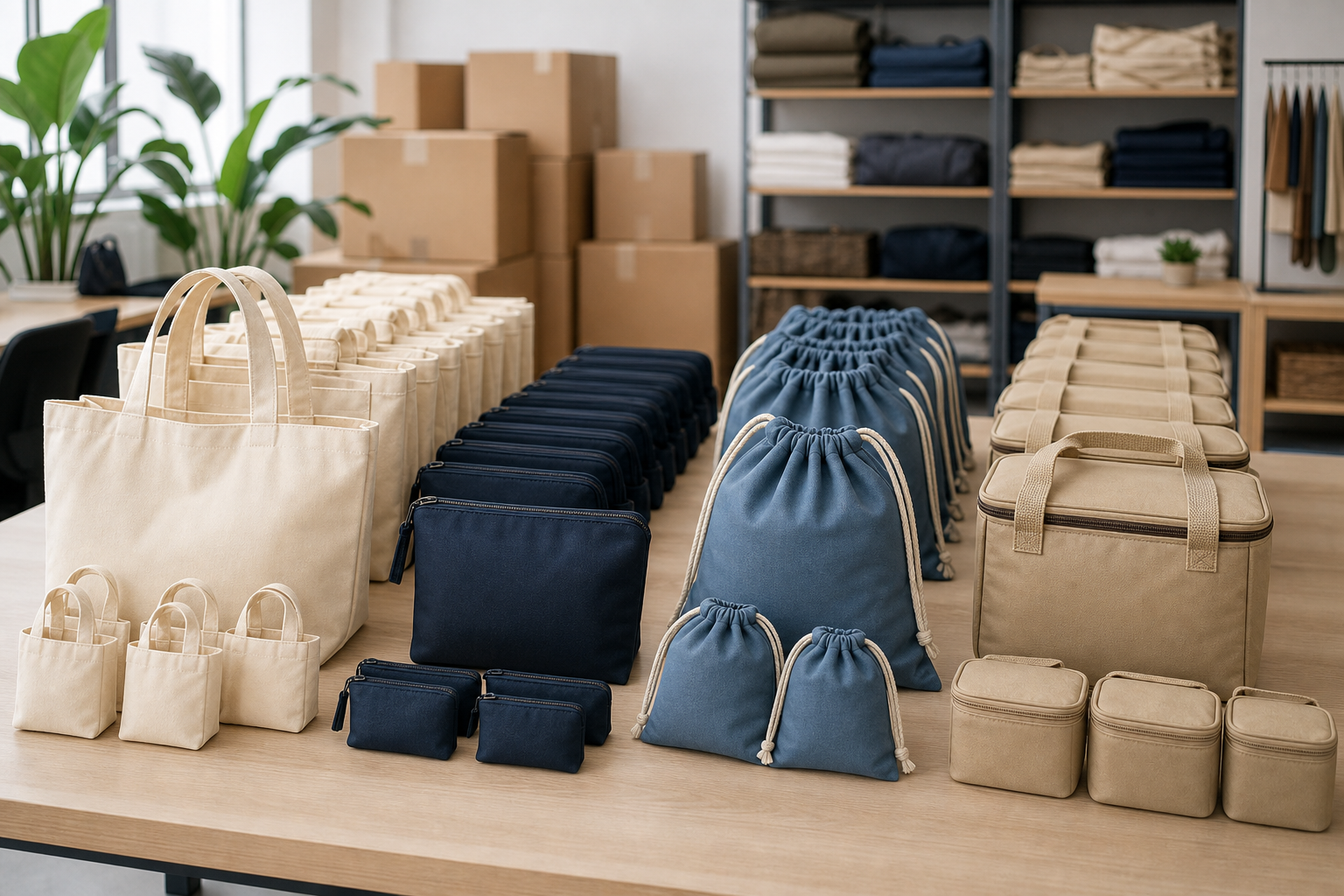
| Packing | Flat or shaped, individual bag, insert card and carton limit | Influences freight volume and presentation |
Choose the logo method after the material
Logo decisions often arrive too early. A fine debossed mark may read well on a smooth synthetic surface but disappear on a heavily textured material. Screen printing can be economical for simple artwork, while embroidery adds texture but also stiffness and needle holes. Metal plates and custom zipper pulls create a stronger branded detail, although they normally add tooling and approval steps.
Ask for a logo strike-off or material swatch before approving the full sample. It is a small checkpoint, and it is much cheaper than discovering after production that the color is dull or the artwork has lost its fine lines.
Sampling should answer specific questions
A sample is most useful when the review team agrees on what it is meant to prove. For the first sample, concentrate on proportion, opening, construction and material feel. Use the second round for corrected dimensions, confirmed color and logo execution. Before bulk production, request a final approved reference that both buyer and factory can use during inspection.
Comments such as “make it more premium” are hard to act on. Mark photos, list measurements and write one change per line. Clear feedback reduces interpretation and makes it easier to check the next sample.
Quality checks that catch real problems
For bulk orders, an inspection plan should cover more than appearance. Useful checks include finished dimensions, zipper function, seam security, logo position, color consistency, lining cleanliness and packing count. The acceptable tolerance should be agreed before production. If the bag will hold bottles or heavier items, add a simple load test that reflects actual use.
It is also worth checking several cartons rather than only the top layer. Cosmetic bags can be compressed in packing, so review how quickly they recover their shape and whether the packing method leaves permanent creases.
Common sourcing mistakes
- Approving a photo without confirming the actual material specification.
- Leaving the finished depth or measurement tolerance out of the quotation.
- Choosing a logo method before testing it on the selected surface.
- Reviewing an empty sample when the bag will be sold full.
- Changing artwork, color and construction at the same time without a revised approval sample.
What to ask a cosmetic bag factory in China
Ask which operations are handled in-house, how materials and colors are approved, what the normal sampling sequence looks like and how bulk production is checked. For an OEM/ODM project, communication discipline matters as much as sewing capacity. A supplier should be able to turn your brief into a measurable specification, flag risky details early and keep the approved sample connected to the production line.
FAQ
How should I compare quotations from different factories?
Make sure the quotations are based on the same size, material stack, logo method, packing and quantity. A lower number is not comparable if one of those items has changed.
Can a factory quote from a reference photo?
It can provide an initial range, but a production quotation needs measurements, material choices, branding and packing details.
What should I send with my first inquiry?
Send the intended use, target size, estimated quantity, delivery market, artwork and two or three reference images. Note which details are essential and which are open to recommendation.
Related reading: review these quality-control practices for custom cosmetic bags and our guide to planning bulk cosmetic bag orders.
A practical next step
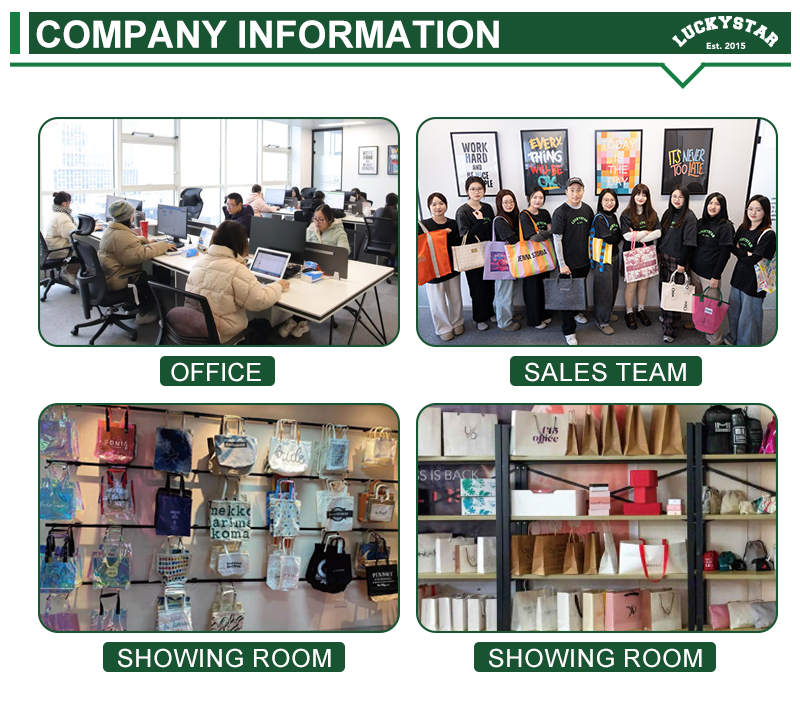
Prepare a one-page RFQ and ask for feedback before requesting a sample. Ningbo Luckystar Commodities Co., Ltd. supports OEM/ODM bag projects for brands, distributors and wholesalers. A clear brief gives both sides a better chance of getting the first sample close to the target.
Contact: Cindy Song
Tel: (+86) 574-88120727
WeChat/WhatsApp: +86 15957446693
Email: sales@luckystarcreation.com
Address: Room 2202, Meijin Building, No. 125 Mingyuan Lane, Ningbo, Zhejiang, China