Buyer quick answer
A tote is worth a higher retail price only when a defined customer can recognize and use the added value, and the resulting price still works after landed cost, channel fees, discounts, returns and inventory risk. Closures, pockets, structure, materials and carry options are design hypotheses; validate them with production-intent samples and a controlled market test.
Building a premium tote range? Send the base and upgraded specifications for a gap review.
Minimum premium-value brief
- Target customer, use case, sales channel and planned retail tier.
- Base version, upgraded version and the customer problem each change addresses.
- Usable dimensions, load, material, construction, carry system, closure and pockets.
- Artwork, labels, claims, rights, packing and presentation.
- Landed-cost basis, margin method, test KPI, stop rule and scale threshold.
Price-and-value validation matrix
| Hypothesis | Specification evidence | Commercial evidence |
|---|---|---|
| Closure improves containment | Type, opening, force, hardware and loaded-use check | Conversion, feedback and closure-related returns |
| Pockets improve access | Item map, usable dimensions, position and task check | Feature use, conversion and complaint reasons |
| Structure improves presentation | Material, reinforcement, shape and pack-out sample | Merchandising feedback, damage and return data |
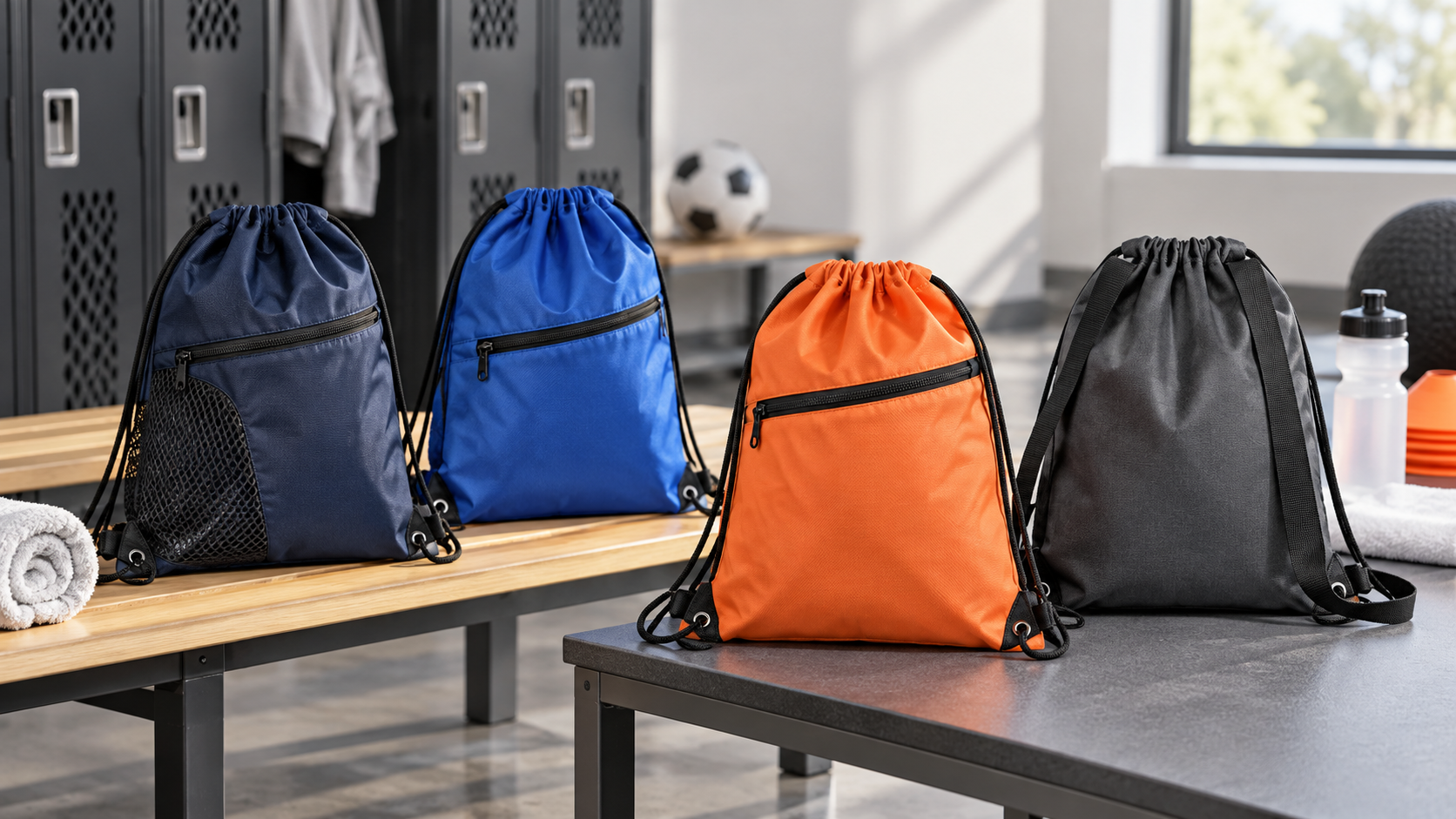
| Carry options improve task fit | Load, handle drop, strap range and attachment check | Mode use, conversion and carry-related feedback |
| Price tier is viable | Approved BOM, quote basis and landed-cost model | Net selling price, contribution, returns and inventory turn |
Define “premium” for one customer and channel
Premium is a positioning decision, not a universal material grade. State the customer, use occasion, alternatives, selling channel and planned price tier. A commuting tote, a gift-with-purchase bag and a boutique merchandise tote solve different problems and support different feature priorities.
Write one sentence for the added value: who benefits, which task improves and what observable change should result. If the benefit cannot be described or tested, it is not yet a useful specification input.
Create a controlled base and upgrade
Compare an upgraded concept with a defined base version. Keep dimensions, audience, artwork and channel aligned unless one of them is the variable under test. Record every BOM difference so quotation and performance changes can be attributed to the intended feature set.
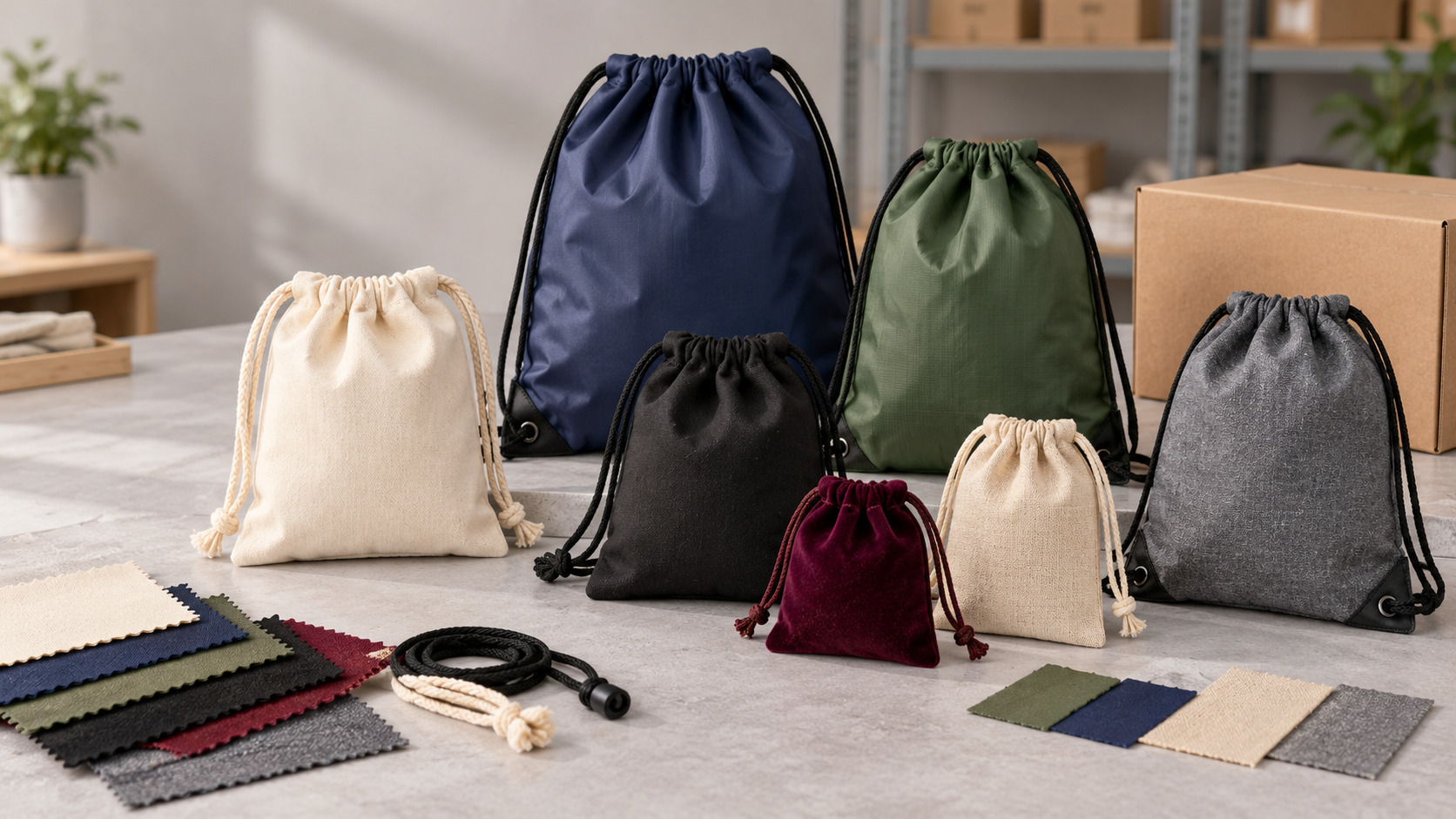
A common design platform may support several SKUs, but color, decoration, hardware and packing can still change minimums, setup, lead time and appearance. Quote each planned mix on the same written basis.
Use closure as a functional hypothesis
Open tops, snaps, magnets, ties and zippers trade access against containment, opening clearance, weight and complexity. Specify the contents, required security, operating force, hardware, reinforcement and interference with folding or packing.
Test the closure with the bag loaded. Track whether customers notice and use it, and separate closure-related complaints from general product feedback.
Design pockets from an item map
List the items that need separation or rapid access. Define each pocket's usable size, opening, location, attachment, lining and load. Check access with representative contents inside the main compartment.
Additional pockets add material and operations. Their value must be assessed against the intended task and the resulting cost, capacity and manufacturing complexity.
Specify structure and carry comfort
Shape retention comes from the interaction of material construction, lining or interlining, seams, gussets, base support and packing. A heavier fabric does not by itself prove better performance or higher perceived value.
For handles and straps, state the load, carry duration, drop or adjustment range, width, edge finish, attachment and hardware. Review balance and comfort in each advertised mode using the intended contents.
Approve visual and tactile cues
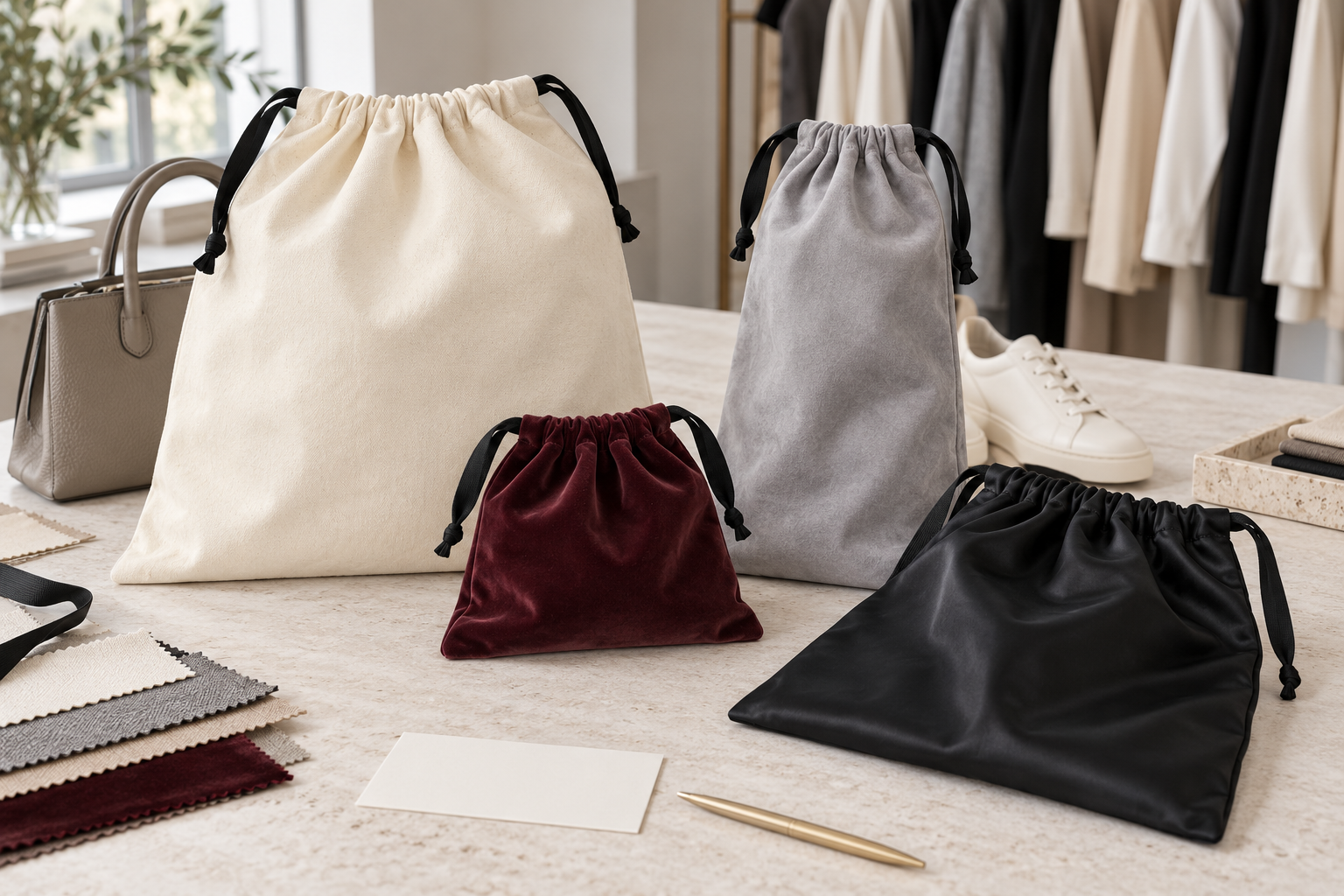
Color, surface finish, hardware, stitching, labels, decoration and pack-out can influence presentation. Define them in measurable or reference-based terms and approve them on production-intent material.
Do not use vague labels such as luxury, sustainable or durable as substitutes for specifications. Claims need defined meaning and evidence for the applicable product and order.
Build the landed-cost and margin model
Start with the quoted unit basis, then include decoration, labels, packing, testing, inspection, freight, duty or tax assumptions, channel fees and expected discount or return allowances. Use the same currency, quantity, Incoterm and destination when comparing versions.
Calculate contribution at the expected net selling price as well as downside scenarios. A higher gross margin percentage can still produce a weak result if conversion falls or inventory ages.
Run a market test with a decision rule
Use production-intent samples or a controlled pilot. Predefine audience, channel, presentation, price, exposure period, stock conditions, KPI, minimum evidence and stop or scale rule. Record promotions and stockouts that may distort the comparison.
Review net conversion, realized selling price, contribution, returns, complaint reasons and inventory movement. Treat comments as qualitative evidence and avoid extending one channel result to other markets without validation.
Send a comparable RFQ
Provide base and upgraded specifications, quantities by SKU, materials, construction, handles/straps, closure, pockets, decoration, labels/claims, rights, pack-out, samples, tests, inspection, destination and required date. Ask the supplier to list assumptions and separate cost changes by option where possible.
MOQ, price, sample fee, capacity and delivery are subject to specification and written confirmation.
Frequently asked questions
Which feature makes a tote premium?
No single feature does. The combination must solve a defined task, be executed consistently and support the customer's willingness to pay.
Can a small cost increase support a much higher retail price?
It may or may not. Validate the complete product, presentation, market response and unit economics instead of assuming a fixed markup.
Should a premium tote always include a zipper and pockets?
No. Add them only when the use case justifies their benefits and tradeoffs.
What should a buyer compare between versions?
Compare the written BOM, approved samples, landed cost, net selling price, conversion, contribution, returns, complaint reasons and inventory movement.
Related sourcing guides
Sources and scope: the Luckystar custom tote bag category and linked sourcing guides support product and process context. No customer research, retail test or costed BOM was supplied for the former fixed price examples and claims about willingness to pay, sales, low incremental cost, perceived value or competitive performance, so those claims were removed. One unverified legacy image and legacy direct-contact details were removed; the standard GET QUOTE image was retained.
Request a premium tote value review
Send the customer, channel, use case, base and upgraded specifications, retail tier, usable size, load, material, construction, carry system, closure, pockets, artwork, labels/claims, rights, quantity/SKU split, pack-out, target landed-cost basis, samples/tests/inspection, destination and date.
Use the website contact form or email a prefilled premium tote brief. Review the draft before sending.
Rights, materials, construction, appearance, care/performance, compliance and environmental claims, samples, tests, inspection, MOQ, price, capacity, availability, delivery and commercial results are subject to qualified review, specification, sample approval, market validation and written confirmation.