Buyer quick answer
A sustainable packaging decision is defensible only when the buyer defines the use case, baseline, environmental claim, evidence, functional requirements and approval rule. Compare production-intent options on the same basis, test the complete pack, and approve only the claims and performance supported for the stated product and market.
Reviewing reusable packaging? Send the use case, baseline and required evidence for a specification-gap review.
Minimum decision brief
- Product, user, distribution channel, intended use cycles and end-of-use route.
- Baseline packaging and the exact change being evaluated.
- Target market, mandatory rules and voluntary environmental claims.
- Dimensions, load, construction, decoration, packing and quality requirements.
- Evidence owner, sample/test plan, decision rule and approval record.
Sustainable packaging evidence matrix
| Decision question | Required input | Approval evidence |
|---|---|---|
| What function must remain? | Load, protection, carry, presentation and distribution conditions | Approved specification and functional test record |
| What environmental claim is proposed? | Exact wording, scope, market and communication channel | Applicable material, chain-of-custody or test documentation |
| Better than what baseline? | Comparable unit, use scenario, boundaries and assumptions | Versioned comparison with sources and limitations |
| Can it work in operation? | Packing, handling, storage, reuse and disposal process | Pilot observations, deviations and corrective actions |
| Can production repeat it? | Material controls, tolerances, checkpoints and traceability | Approved sample, inspection plan and lot records |
Separate the requirement from the preferred solution
Start with the job the packaging must perform: contain, protect, carry, display, organize or support reuse. Record load, dimensions, distribution, storage, handling, presentation and end-of-use conditions before choosing a material.
A request such as “make it eco-friendly” is not a testable specification. Replace it with an exact objective, such as reducing a named component, enabling a defined reuse program or using material with specified documentation.
Define the baseline and comparison unit
Name the existing option, geography, time period and comparable unit. Depending on the decision, the unit might be one delivered product, one fulfilled order or a defined number of uses. Keep function and quality requirements visible so a lighter or different pack is not credited for performance it does not provide.
List boundaries and assumptions: material quantity, decoration, individual packing, cartons, transport stage, expected use cycles, collection access and end-of-use route. If data are missing, mark the gap instead of converting an estimate into a claim.
Turn every claim into an evidence request
Write the exact proposed claim and identify who will see it, where it will appear and which market applies. “Recycled content,” “reusable,” “recyclable,” “compostable,” “biodegradable,” “lower impact” and similar terms require different evidence and conditions.
For material claims, request composition, percentage, scope, product or transaction linkage, issuer, standard or test method, validity period and chain of custody where applicable. A supplier statement, test report or certificate must be checked for the named entity, material, product, facility, date and intended claim; one document should not be expanded to an entire range.
Check the target market before approving labels
Map applicable packaging, labeling, environmental-claim and disposal requirements for each destination and channel using current authoritative sources and qualified advice where required. Record the check date and responsible reviewer.
Do not assume that a mark, disposal instruction or claim accepted in one market can be copied into another. Artwork approval should include claim wording, evidence reference, language, placement and any required qualification.
Evaluate the complete material and construction system
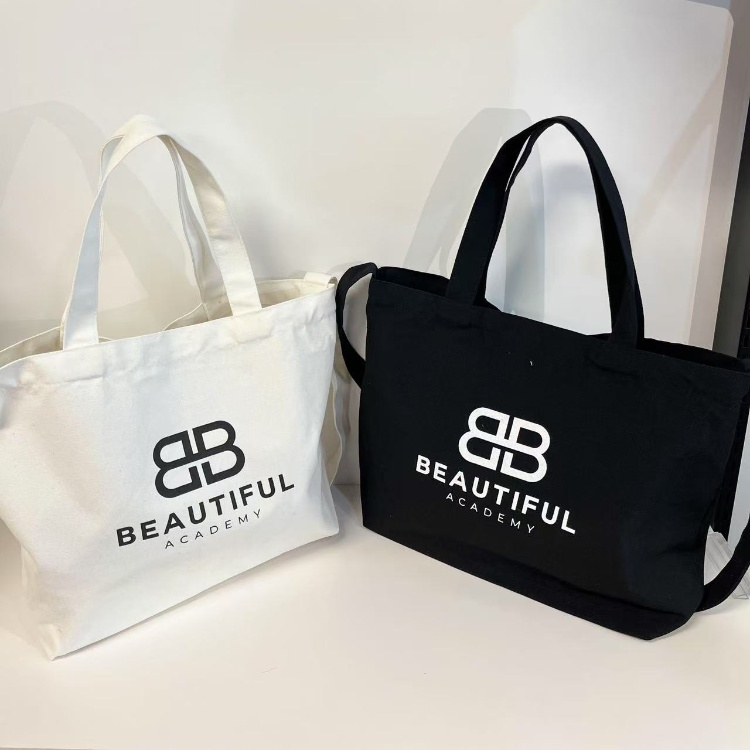
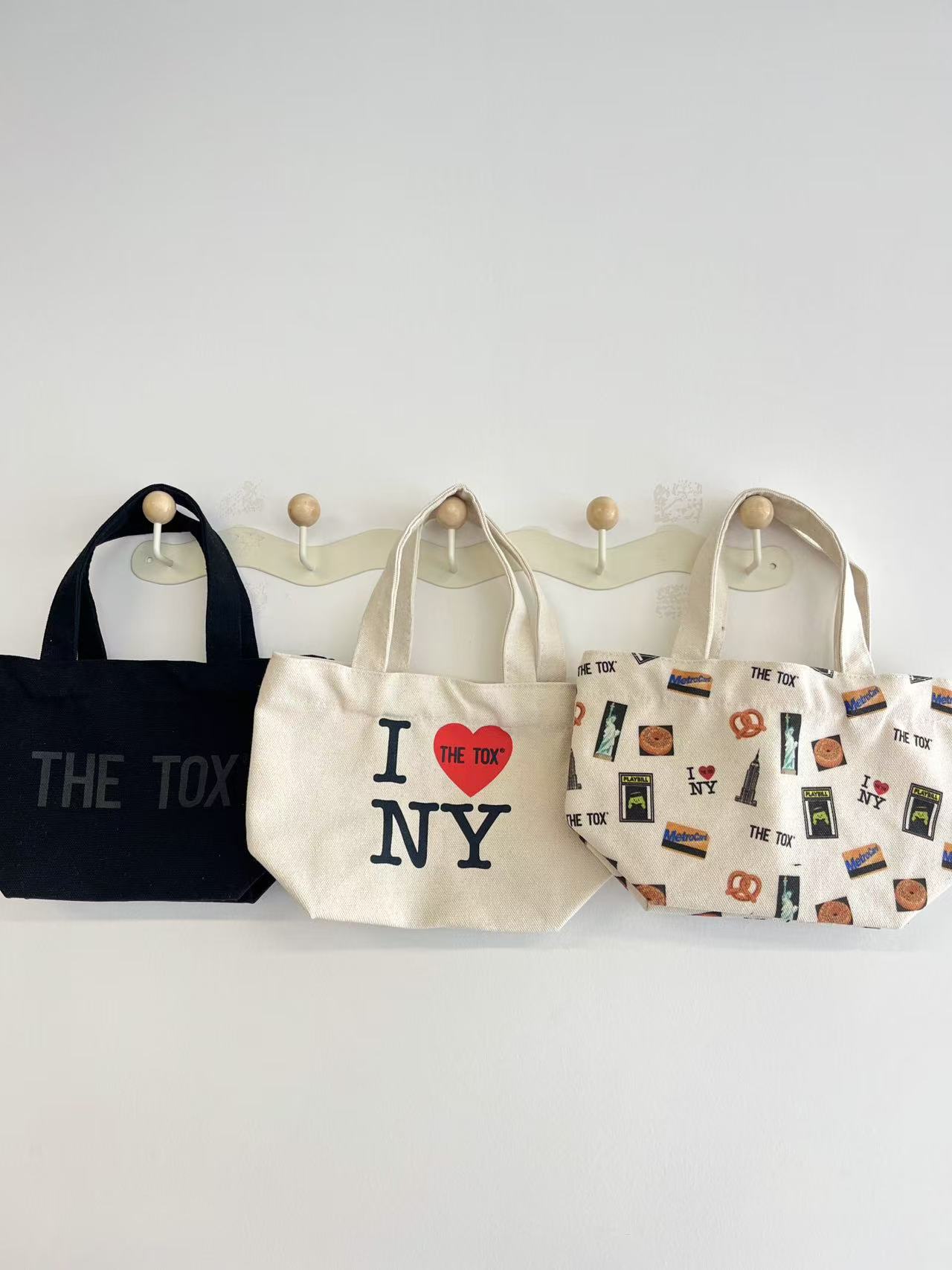
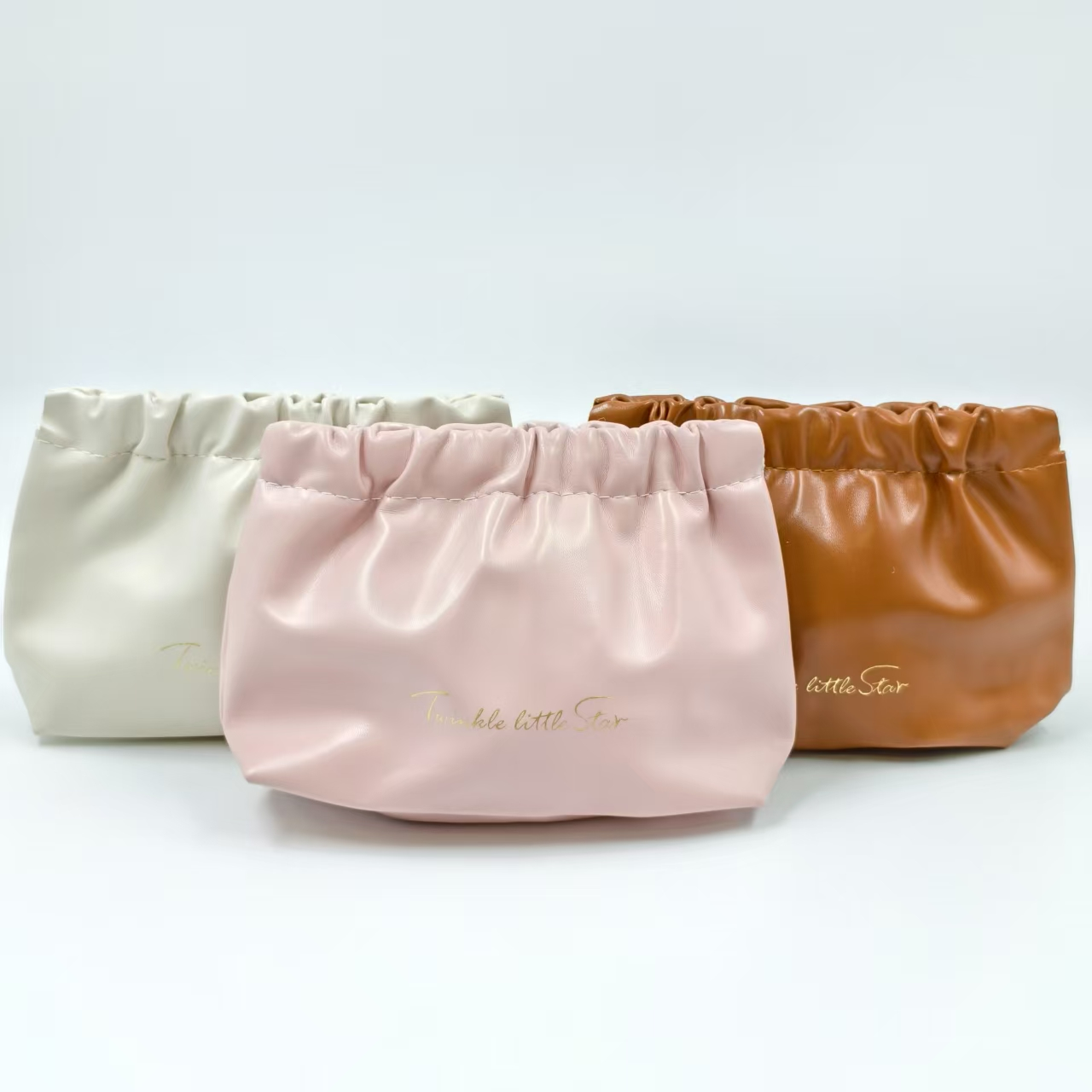
For a reusable bag or pouch, specify shell, lining, interlining, handles, thread, binding, closure, decoration, labels and packing. Record composition, construction, weight or thickness, finish, color and tolerances where relevant.
Material choice changes print appearance, seam behavior, hand feel, folding, cleaning, moisture response and pack-out. Test the complete production-intent item; a material-level result alone does not establish finished-product performance.
Use risk-based sample tests
Translate the use case into written tasks and acceptance rules. Examples include loaded carry, seam and handle checks, closure operation, abrasion or rub checks, color transfer, dimensional verification, cleaning, folding, pack-out and presentation after handling.
Set conditions, equipment, repetitions, sample count and pass/fail rules according to the actual risk. Keep photos, measurements, deviations and the sample version with the approval record.
Run a controlled pilot before scale-up
A pilot can check packing time, operator handling, loading, storage, transport presentation, user instructions, return or collection steps and waste sorting. Define the pilot population, duration, data owner and decision threshold before launch.
Record confounders such as promotion, distribution changes, incomplete returns or different product mixes. A pilot supports only the tested context; it does not establish universal environmental benefit.
Build the decision scorecard
Use weighted criteria that reflect the project: functional performance, evidence completeness, claim risk, quality repeatability, operational fit, unit and logistics cost, lead-time risk and measurable environmental objective. Show mandatory gates separately from scored preferences.
Keep the baseline, option versions, sources, assumptions and reviewer sign-off together. This makes the decision auditable when artwork, materials, regulations or commercial conditions change.
Control production and change management
Link the approved sample to the bill of materials, color and artwork references, labels, packing and inspection plan. Define incoming, first-output, in-process and final checks for the characteristics that support function and any public claim.
Require written review when a material, source, percentage, finish, construction, artwork or packing method changes. Reassess affected tests and claims before accepting the substitution.
Prepare the RFQ
Send the use case, baseline, objectives, exact claims, target markets, material system, dimensions, load, construction, decoration, labels, artwork rights, evidence requirements, samples/tests, inspection, pack-out, quantity/SKU split, destination and required date.
Certifications, environmental claims, composition, availability, MOQ, price, sample fee, tooling, capacity and delivery are subject to document review, specification, sample approval and written confirmation.
Frequently asked questions
Is a reusable bag automatically more sustainable?
No. The conclusion depends on the baseline, material and construction, actual use cycles, care, transport and end-of-use assumptions. Define and test the intended program.
Can a material certificate support a finished-product claim?
Only within its verified scope. Check entity, product or material linkage, percentage, chain of custody, dates and claim wording; assess other components and construction separately.
Should buyers choose material before testing function?
Define function and risk first, then compare material-and-construction systems that can be tested against the same acceptance rules.
What should be approved before a purchase order?
The specification, evidence set, artwork and claims, production-intent sample, test results, inspection plan, pack-out, deviations and commercial terms.
Related sourcing guides
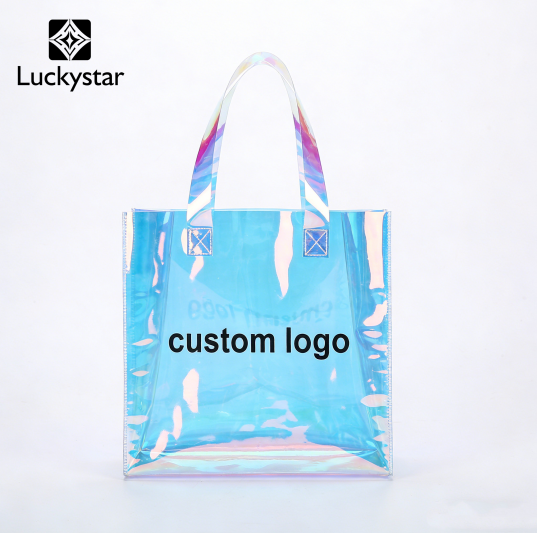
Sources and scope: the Luckystar custom shopping bag category and linked sourcing guides support product and procurement context. No product-level lifecycle study, certified material file, market-specific legal review, buyer survey or reuse dataset was supplied for this page. The former universal buyer behavior, reuse, waste-reduction, supply-chain, cost and scale-up conclusions were removed. Two unverified legacy images and personal contact details were removed; the standard GET QUOTE image was retained.
Request a sustainable packaging specification review
Send the product and use case, baseline, environmental objective, proposed claims, target markets, material/construction, artwork, evidence requirements, sample/test plan, quantity mix, destination and required date.
Use the website contact form or email a prefilled decision brief. Review the draft before sending.
Rights, materials, construction, appearance, performance, compliance and environmental claims, documents, samples, tooling, tests, inspection, MOQ, price, capacity, availability and delivery are subject to qualified review, specification, sample approval and written confirmation.