
Buyer quick answer
Velvet-look drawstring pouches remain useful when a business needs soft presentation, fast packing, compact storage and a reusable secondary package. The choice works only when pouch size, pile, backing, lining, cord, shedding, dye transfer, decoration and product contact are checked against the real item and workflow.
Material boundary: “Velvet” and “soft” describe appearance or hand, not fiber composition, cushioning, scratch protection or product-contact suitability. Verify each required attribute.
Checking a pouch for daily packing? Send the packed item, contact sensitivity, usable size, material requirement and quantity matrix for a use-case review.
Where a velvet-look pouch can fit
| Use | Check first | Approve with |
|---|---|---|
| Jewelry/accessory presentation | Surface contact, lint, transfer and fit | Actual item and any insert/liner |
| Gift or sample kit | Fill behavior, opening and presentation | Complete packed kit |
| Cable/device accessory | Snagging, dust/lint and closure | Repeated pack/unpack trial |
| Event distribution | Pack speed, counts and fixed date | Timed pack-out and carton plan |
Fit the pouch below the cord channel
Specify finished width and height, then usable width, height below the channel and opening. A plump item can need extra depth even if its flat dimensions appear to fit. Pack the actual item, insert and documents together.
Observe fill behavior: the base shape, side bulge, cord closure and logo position can change when the pouch is loaded. Approve the pouch in the condition the recipient will see.
Define the material layers
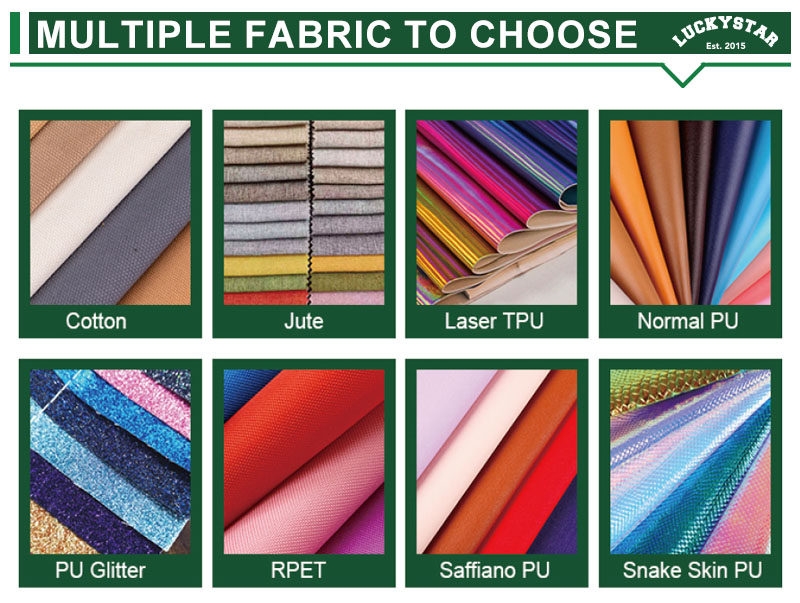
State the required face fiber or polymer, pile construction, backing, lining, weight or thickness basis, color and finish. If the supplier uses “velvet,” “velour,” “flocked” or “plush,” ask for the exact layer declaration rather than treating the names as interchangeable.
For sensitive products, specify lint/shedding, dye transfer, abrasion, odor and chemical or direct-contact requirements as relevant. A soft touch alone does not prove protection or compatibility.

Control pile direction and color
Pile direction changes light reflection and perceived shade. Mark the intended direction relative to the opening and artwork, and inspect units consistently. Use a physical color and texture reference under agreed lighting.
Define acceptable pressure marks, crushed areas, seam impressions and color variation. Packing that compresses the pile may change presentation even when the pouch is structurally sound.
Test the cord and daily handling
Specify cord material, diameter, color, ends, single/double draw and closure direction. Cycle the closure with the item inside, check channel friction, cord accessibility and whether the cord marks the face material.
Run repeated pack/unpack trials that reflect daily operations. Record any snagging, lint, transfer, opening deformation or seam movement and set the acceptance points before bulk.
Choose branding for the pile
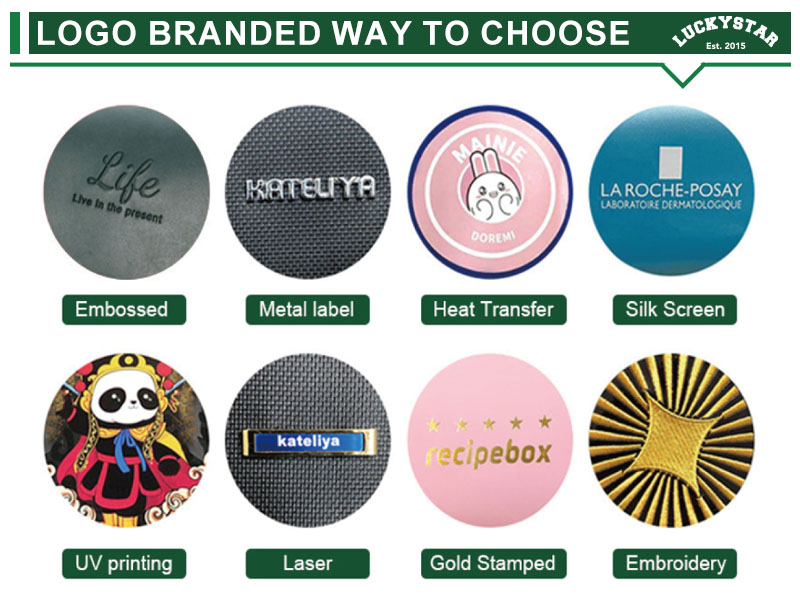
Embroidery, transfer, print, foil and attached labels interact differently with pile and backing. Provide artwork size, placement, color and minimum detail. Ask for the proposed method and approve it on the exact production material.
Review legibility from intended viewing distance, pile crushing, puckering, backing stiffness, placement and abrasion through normal handling. Keep the approved decorated sample with the material reference.
Everyday-use approval matrix
| Gate | Question | Evidence |
|---|---|---|
| Fit | Does the complete item fit and present correctly? | Filled sample and usable dimensions |
| Contact | Can material, lint or color affect the item? | Defined compatibility checks |
| Operation | Can staff and users open/close it repeatedly? | Pack/unpack cycle trial |
| Presentation | Are pile, color, logo and pack acceptable? | Decorated packed sample |
| Bulk | Are quantities, inspection and remedies clear? | Release/inspection record |
Frequently asked questions
Does a velvet pouch prevent scratches?
Do not assume it. Protection depends on the exact face, backing, lining, seams, cleanliness, fit and contact test for the item.
Why can velvet-look colors appear different?
Pile direction and lighting change reflection. Use a physical reference and consistent inspection direction.
Should the pouch have a lining?
That depends on contact sensitivity, structure, cleanliness, cost and presentation. Test the complete layer system with the item.
What should be approved before bulk?
Approve the material layers, usable fit, cord operation, filled presentation, decoration, unit pack, inspection and current commercial terms.
Related sourcing guides
Source and scope: Luckystar custom drawstring-bag category and linked sourcing guides, checked September 21, 2026. They are format and process references, not proof of fiber content, cushioning, scratch protection, product-contact suitability, fixed MOQ, price or delivery. Existing article images are illustrative and still require topic-relevance and publication-rights review.
Request a velvet-look pouch use-case review
Send the packed item, contact sensitivity, usable size, material layers, cord, artwork, quantities, pack workflow, inspection, delivery basis and date.
Use the website contact form or email a prefilled pouch brief. Review the draft before sending.
Material, protection, contact suitability, MOQ, price, availability, capacity and delivery are subject to specification and written confirmation.






