Buyer quick answer
Before ordering custom canvas shopping bags, freeze the contents and load, usable size, fiber composition, canvas construction and weight, color, handles, reinforcement, decoration, quantity by version, packing and acceptance criteria. Then approve a representative filled and decorated sample.
Material scope: “Canvas” describes a fabric construction, not a guaranteed fiber. Cotton, blend, recycled, organic, washable, reusable and load claims each require their own specification and evidence.
Preparing a canvas bag RFQ? Send the contents, target load, usable size, material, artwork and quantity matrix for a specification review.
Canvas bag specification checklist
- Use: contents, combined mass, carry method/distance and expected handling.
- Size: finished and usable width, height, gusset and opening.
- Fabric: fiber composition, weave/construction, nominal weight method, color and finish.
- Build: seams, hems, handles, attachment, reinforcement, closure and pockets.
- Branding: artwork, method, dimensions, placement and color references.
- Program: quantity per configuration, inspection, packing, destination and date.
Specify composition and weight separately
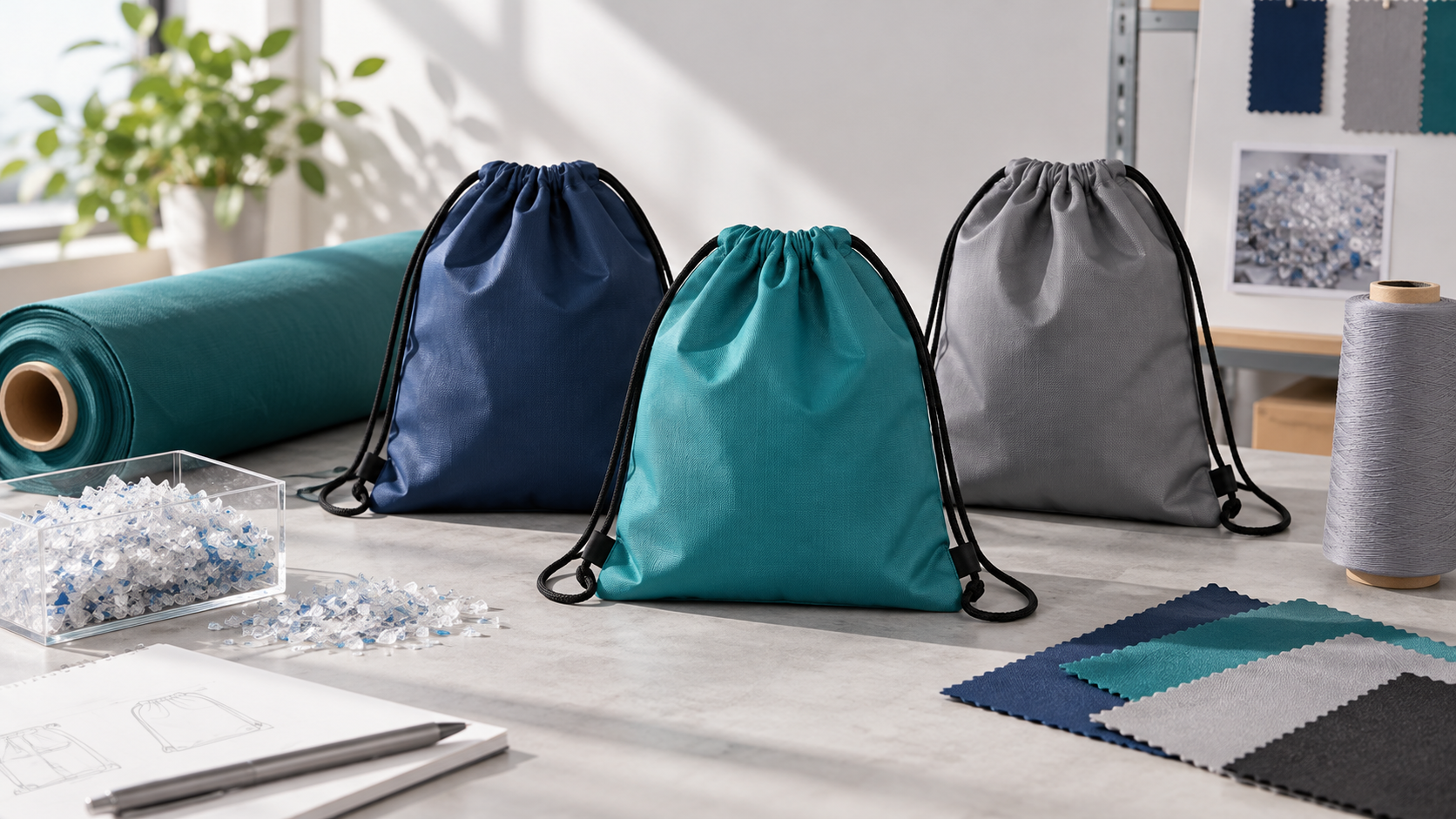
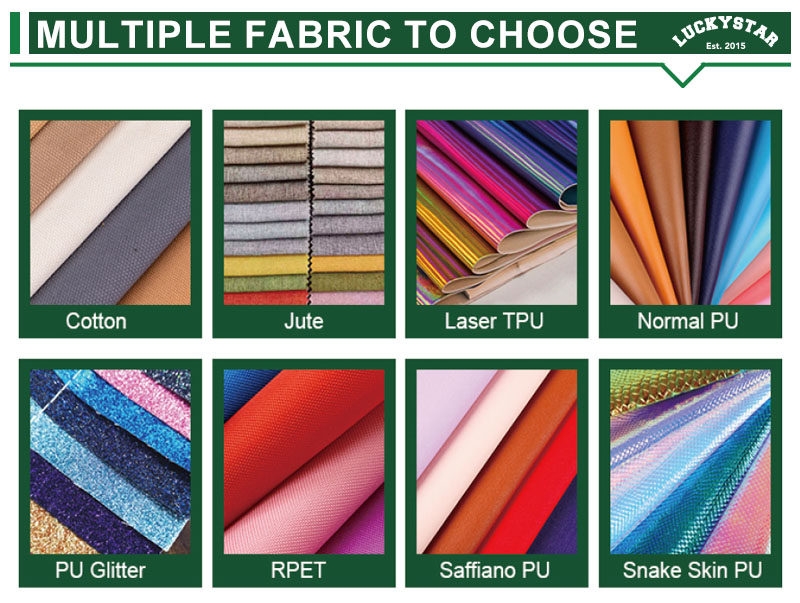
Do not use “canvas” and “cotton” as synonyms. State the required fiber composition and the evidence needed. Record fabric weight with its unit and measurement basis; oz and g/m² values should be converted carefully, and coated or finished material may not compare directly with greige fabric.
Approve the proposed weave appearance, hand feel, color and finish against a physical reference. If shrinkage, washing or colorfastness matters, define the care condition and test instead of assuming every canvas bag behaves alike.
Fit the bag around contents and packing
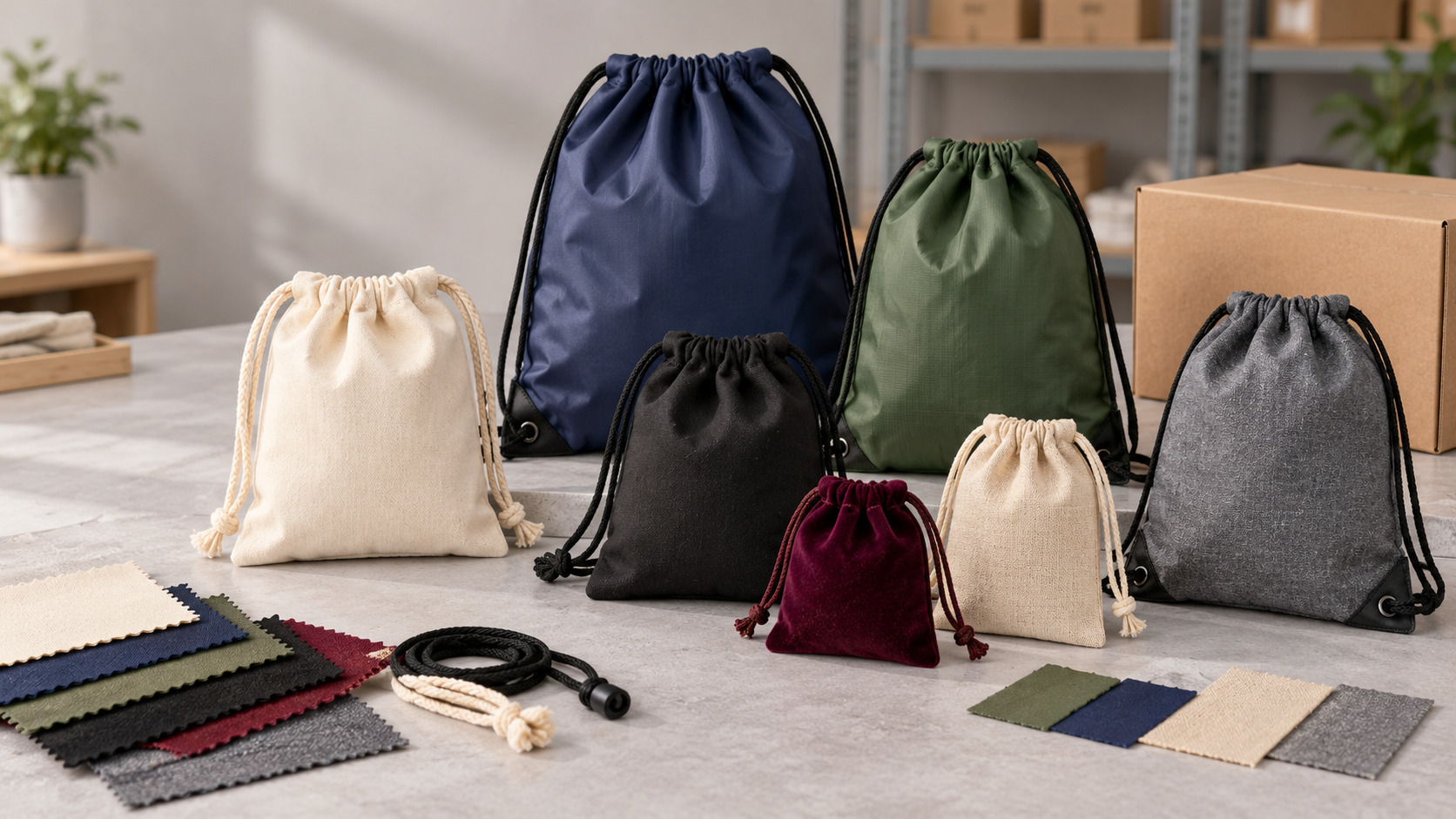
Provide the largest contents, their orientation and combined weight. Confirm usable internal dimensions after side seams, bottom seam, hems and gussets. Test whether staff can insert the contents efficiently through the real opening.
A gusset adds capacity but changes the flat dimensions, artwork view and fold. Define whether the bag needs to stand, lie flat, fit a carton or present a gift set in a specific way.
Engineer handles and stress points
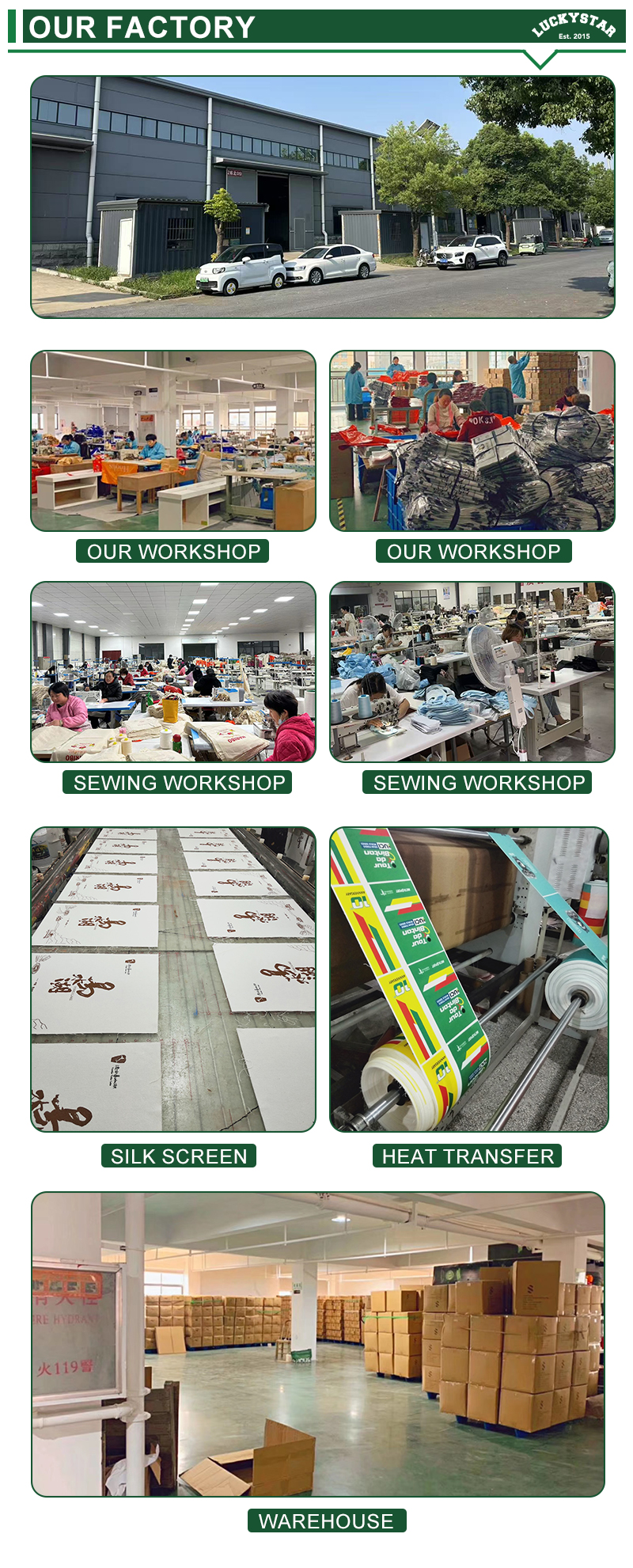
Specify handle material, width, length or drop, spacing, attachment area and reinforcement. Review handle ends, top hems, gusset corners and pocket/closure junctions under the intended load. Define failure criteria for seam opening, handle movement, fabric tear or unacceptable deformation.
A fabric weight alone does not determine the finished bag's capacity. Use the proposed body, thread, seam and reinforcement in the representative sample and agreed test.
Choose decoration after the material is fixed
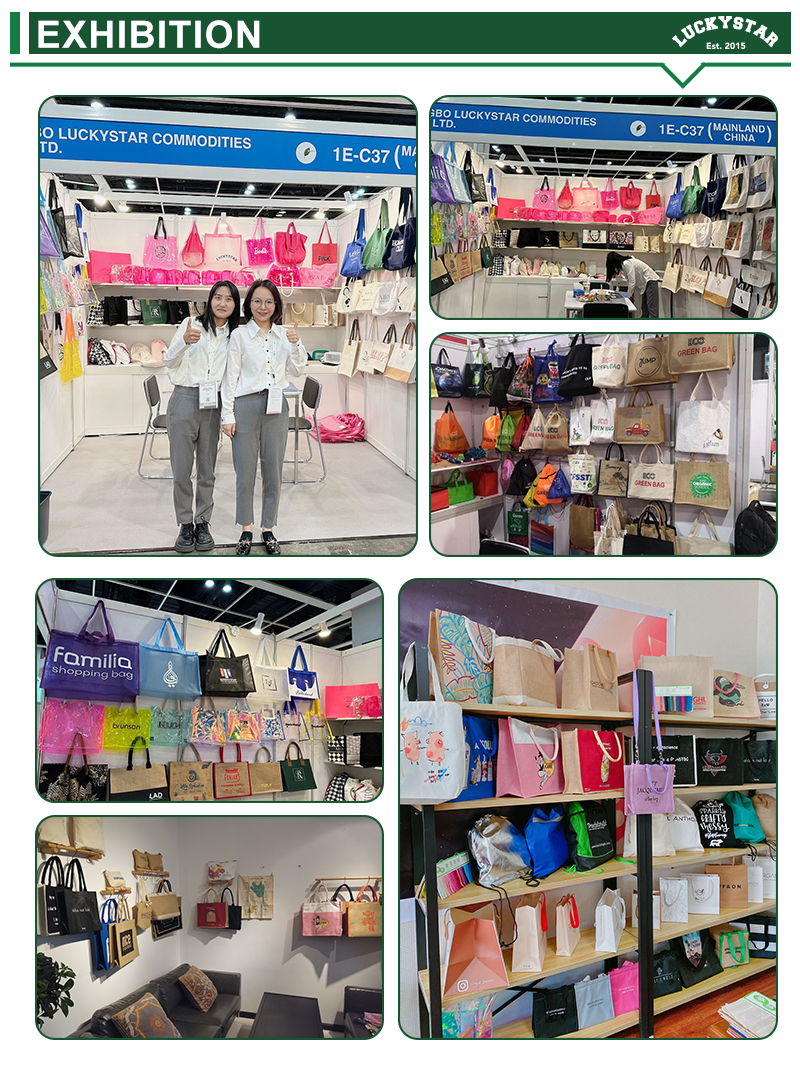
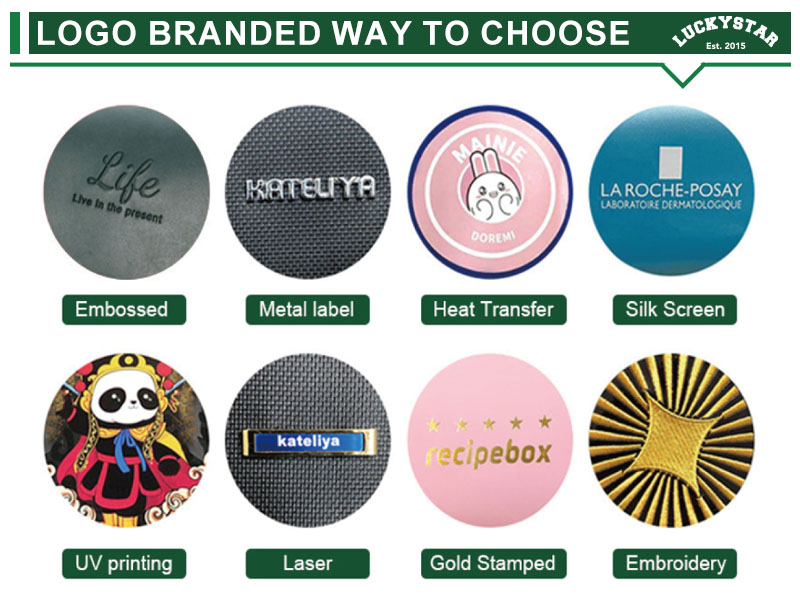
Print, transfer, embroidery and labels interact differently with weave texture, dye, coating and fabric weight. Provide vector artwork, actual dimensions, placement from seams, color references and critical fine detail. Ask for the proposed method and setup by artwork/color.
Approve decoration on the selected production material. Review coverage, registration, edge definition, hand feel, show-through, puckering and change after any agreed handling or care test.

Control natural and dyed fabric variation
Set realistic tolerances for shade, texture, dimensions and surface features relevant to the use. If a natural or undyed appearance is requested, agree which yarn or seed-fleck variation is acceptable. If dyed, define the color reference, lighting and lot-control approach.
Do not treat visual variation as proof of a fiber, environmental benefit or defect without the written specification and approved range.
Pre-order release matrix
| Gate | Approve | Record |
|---|---|---|
| Fit | Filled sample and loading workflow | Finished/usable dimensions |
| Material | Composition, construction, weight and color | Evidence, method and tolerances |
| Strength | Handles, seams and reinforcement under use load | Test method and failure criteria |
| Branding | Decorated production-material sample | Artwork, placement and colors |
| Order | Quantity split, pack and inspection | MOQ/setup, quote, basis and schedule |
Compare complete order terms
Ask for MOQ and setup by size, body color, handle, artwork, decoration color and pack SKU. Normalize samples, testing, inspection, labels, unit packing, cartons, currency, named delivery basis, destination and quote validity. Record what triggers repricing or resampling.
Browse the Luckystar custom tote-bag category for format references, then confirm the exact canvas composition, construction and current terms for the project.
Frequently asked questions
Is canvas always cotton?
No. Canvas refers to a fabric construction. Specify and verify the required fiber composition.
Does heavier canvas guarantee a stronger bag?
No. Finished performance also depends on yarn/fabric condition, seams, handles, attachment and reinforcement. Test the exact construction.
Which print method is best?
The choice depends on material, artwork, color, quantity, hand feel and performance needs. Approve the proposed method on production material.
What should be locked before bulk?
Lock the specification, measured sample, test criteria, artwork, quantities, packing, inspection and commercial assumptions.
Related sourcing guides
Source and scope: Luckystar custom tote-bag category and linked sourcing guides, checked September 21, 2026. They are format and process references, not proof of composition, certification, environmental benefit, load rating, factory ownership, fixed MOQ, price or delivery. Existing article images are illustrative and still require topic-relevance and publication-rights review.
Request a custom canvas bag specification review
Send the contents and load, usable size, material requirement, handles, construction, artwork, quantity by version, inspection, packing, delivery basis and date.
Use the website contact form or email a prefilled canvas-bag RFQ. Review the draft before sending.
Composition, performance, claims, MOQ, price, availability, capacity and delivery are subject to specification and written confirmation.