Why 2026 Matters for Cosmetic Bag Development
The cosmetic bag category has historically been driven by fashion cycles, but in 2026 its growth is increasingly anchored in consumer lifestyle shifts, functional utility, and brand value strategies. Cosmetic bags are no longer add-on accessories — they’re standalone lifestyle products that reflect:
-
Daily carry practicalities
-
Travel convenience expectations
-
Sustainability purchasing decisions
-
Personal identity expression
Wholesale buyers should view 2026 not as a season of fleeting styles, but as a turning point toward purpose-built cosmetic bags that align with real user needs.
Trend 1 — Sustainability Is Table Stakes, Not a Bonus
Sustainability has moved from marketing buzzword to procurement requirement. Retailers and consumers alike expect eco credentials, and cosmetic bags made from sustainable materials often command stronger retail prices and brand trust.
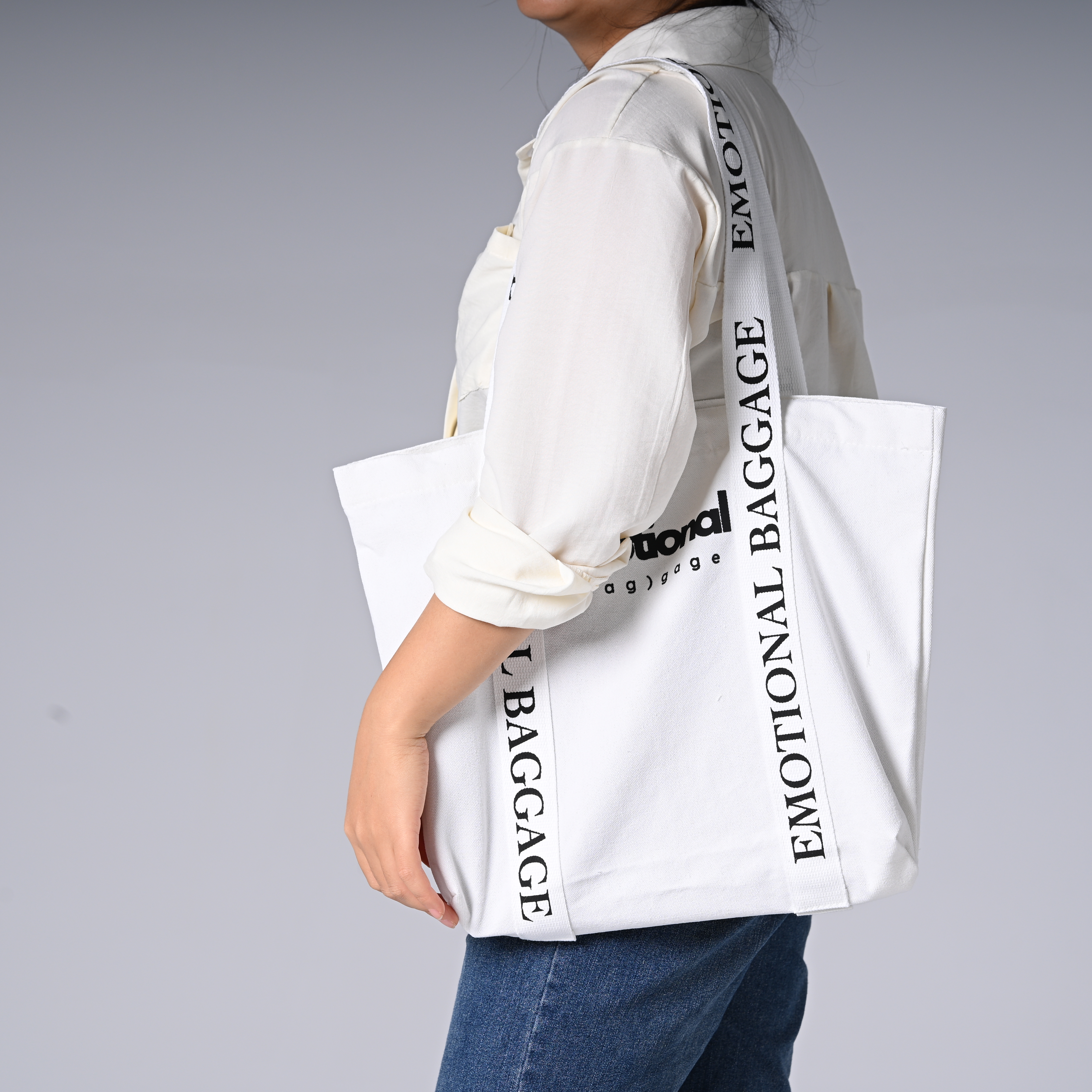
Shopping Bags Wholesale Bulk – Low MOQ Supply
Key material trends include:
-
RPET recycled fabrics — high demand in North America and EU
-
Organic cotton — premium but perceived as luxury
-
Biodegradable coatings — functional and eco-friendly
-
Minimalistic, reduced-plastic packaging
For wholesale buyers, working with a custom cosmetic bag manufacturer that offers material customization allows brands to position their products with authentic eco storytelling — directly affecting retail placement and pricing.
Trend 2 — Smart Internal Organization Is Winning Consumer Hearts
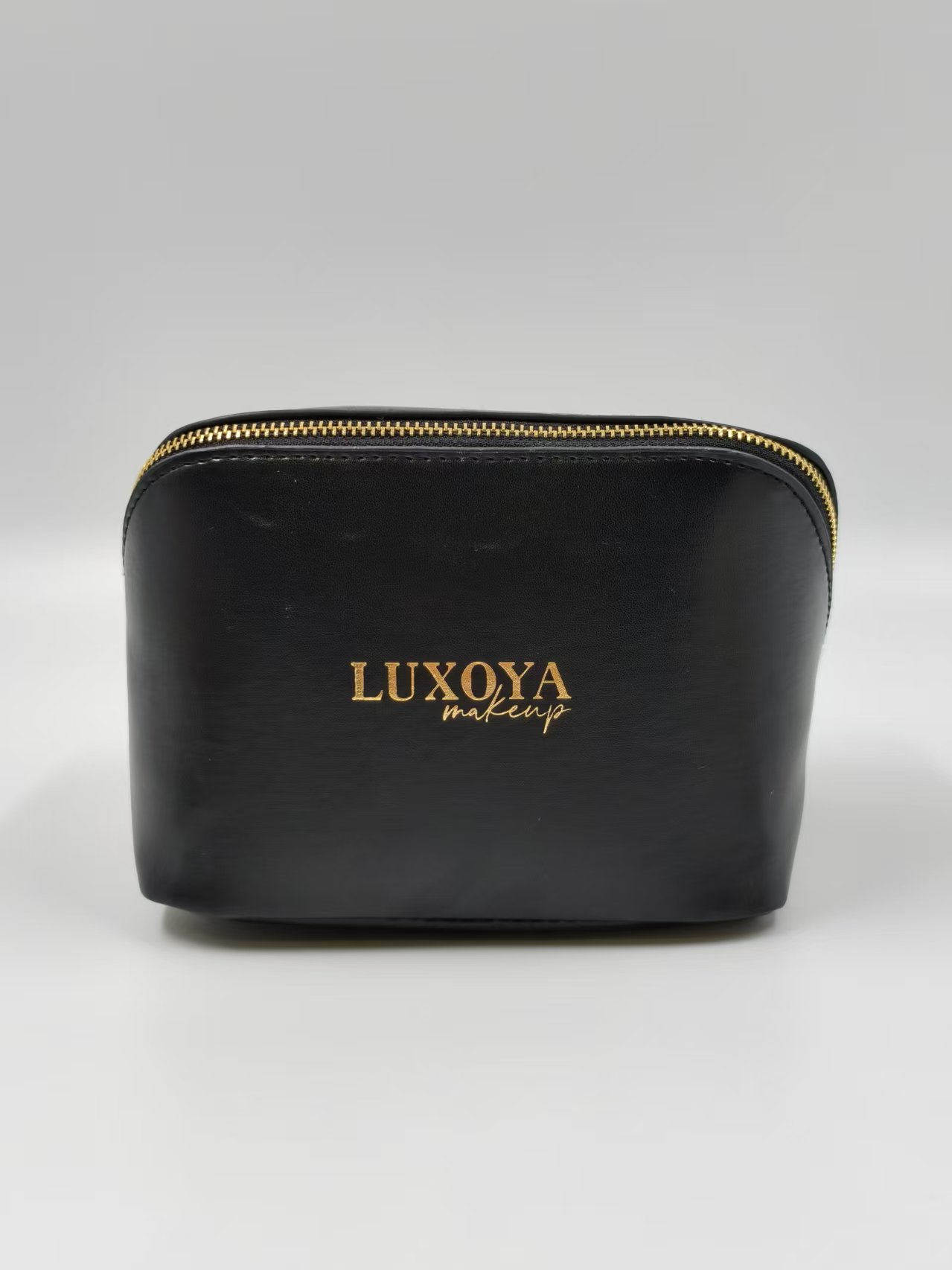
https://www.luckystarcreation.com/product/leading-travel-makeup-bag-supplier-2
Cosmetic bags in 2026 must go beyond a single compartment. Users want bags that organize and protect.
Popular internal features driving sales:
-
Multiple compartments with removable dividers
-
Clear waterproof sections for spill protection
-
Padded pockets for electronics (if multi-use)
-
Separate sections for brushes, bottles, and serums
-
Expandable structures for travel flexibility
These organizational upgrades significantly improve user experience and perceived value while adding minimal cost — increasing wholesale margins and retail desirability.
Trend 3 — Personalization and Aesthetic Identity
The rise of social commerce has amplified demand for personalization — cosmetic bags that reflect individual style and brand voice.
Personalization options gaining traction:
-
Custom printed patterns and logos
-
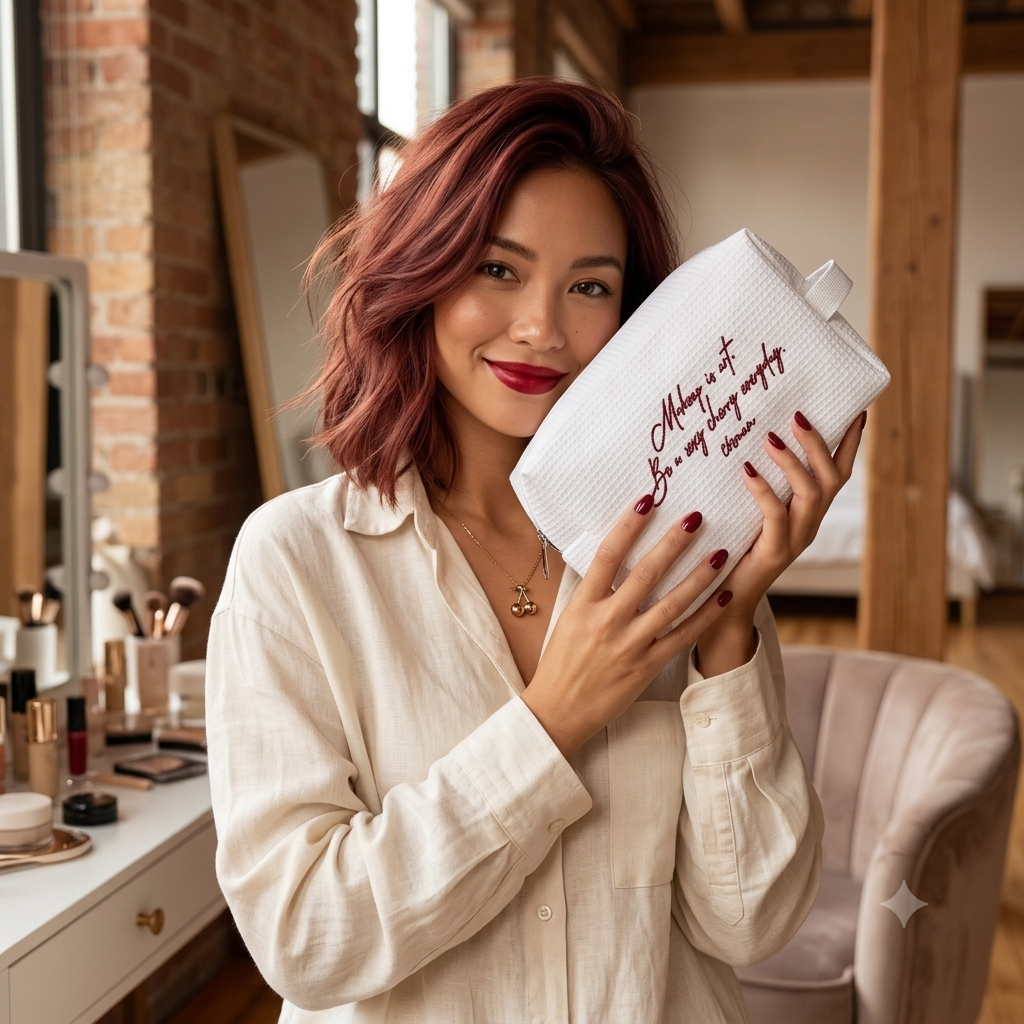
Embroidered initials or slogans
-
Seasonal thematic designs
-
Limited-edition artist collaborations
Brands are increasingly using OEM/ODM cosmetic bag suppliers to test and roll out limited editions, generating urgency and higher retail margins.
Trend 4 — Functional Cross-Category Utility
In 2026, cosmetic bags are no longer “just for makeup.” Buyers are shifting toward multi-functional bags that serve as:
-
Toiletry organizers
-
Travel carry-alls
-
Everyday pouches for tech and accessories
-
Gym and wellness sets
Cosmetic bags are expanding from beauty shelves into broader lifestyle categories — which means richer sales channels and higher volume orders for wholesale buyers.
Trend 5 — Quality Details Are Retail Differentiators
2026 cosmetic bag purchasers are willing to pay more for quality details that improve durability and performance. These often make the difference between a return and a repeat purchase.
Functional upgrades that matter:
-
Water-resistant zippers
-
Reinforced stitching
-
Padded bottoms
-
Premium hardware (buckles, pulls)
-
Easy-clean interior coatings
These subtle upgrades strengthen the product’s value proposition and increase perceived luxury without massive cost increases.