Buyer quick answer
For custom cosmetic bags, OEM usually means manufacturing to a buyer-controlled specification, while private label often means branding an existing or lightly modified supplier design. Suppliers use these terms differently, so choose the route by the written scope: who owns the design, what may change, who approves materials and tooling, and who carries labeling, claim and compliance responsibilities.
Choosing between an OEM build and a private label starting point? Send the required changes and launch constraints for a route review.
Minimum route-selection brief
- Product job, target market, channel and intended user.
- Existing buyer design or supplier style used as the starting point.
- Required changes to size, structure, materials, compartments, closure and hardware.
- Artwork, labels, claims, design ownership, trademark rights and confidentiality.
- Quantity mix, sample/tooling plan, tests, inspection, packing and required date.
OEM vs private label decision matrix
| Decision area | Buyer-controlled OEM route | Supplier-style private label route |
|---|---|---|
| Starting point | Buyer specification, drawing or approved design package | Existing style with agreed permitted changes |
| Design control | Buyer defines critical characteristics and approvals | Supplier baseline plus written customization limits |
| Development | May require pattern, tooling and several controlled revisions | May reuse an existing construction, subject to material and artwork approval |
| Rights | Define ownership of buyer assets, developments and tooling | Confirm right to use the base design and limits on exclusivity |
| Commercial basis | Quote the approved custom specification and development scope | Quote the selected style and every requested modification |
Start with the work, not the label
Ask each supplier to define OEM, ODM and private label in its quotation. Record whether the proposed bag is an existing style, a modified platform or a new development. The commercial name does not replace a specification.
List every required change. A new logo color is different from changing usable dimensions, pocket layout, closure path, material construction or tooling. The larger the technical change, the more development evidence and version control are usually needed.
Choose OEM when the specification drives the product
An OEM-style route fits projects where the buyer controls critical dimensions, layout, materials, construction, components, artwork and acceptance criteria. It can also support a product that must coordinate with another package, kit or product line.
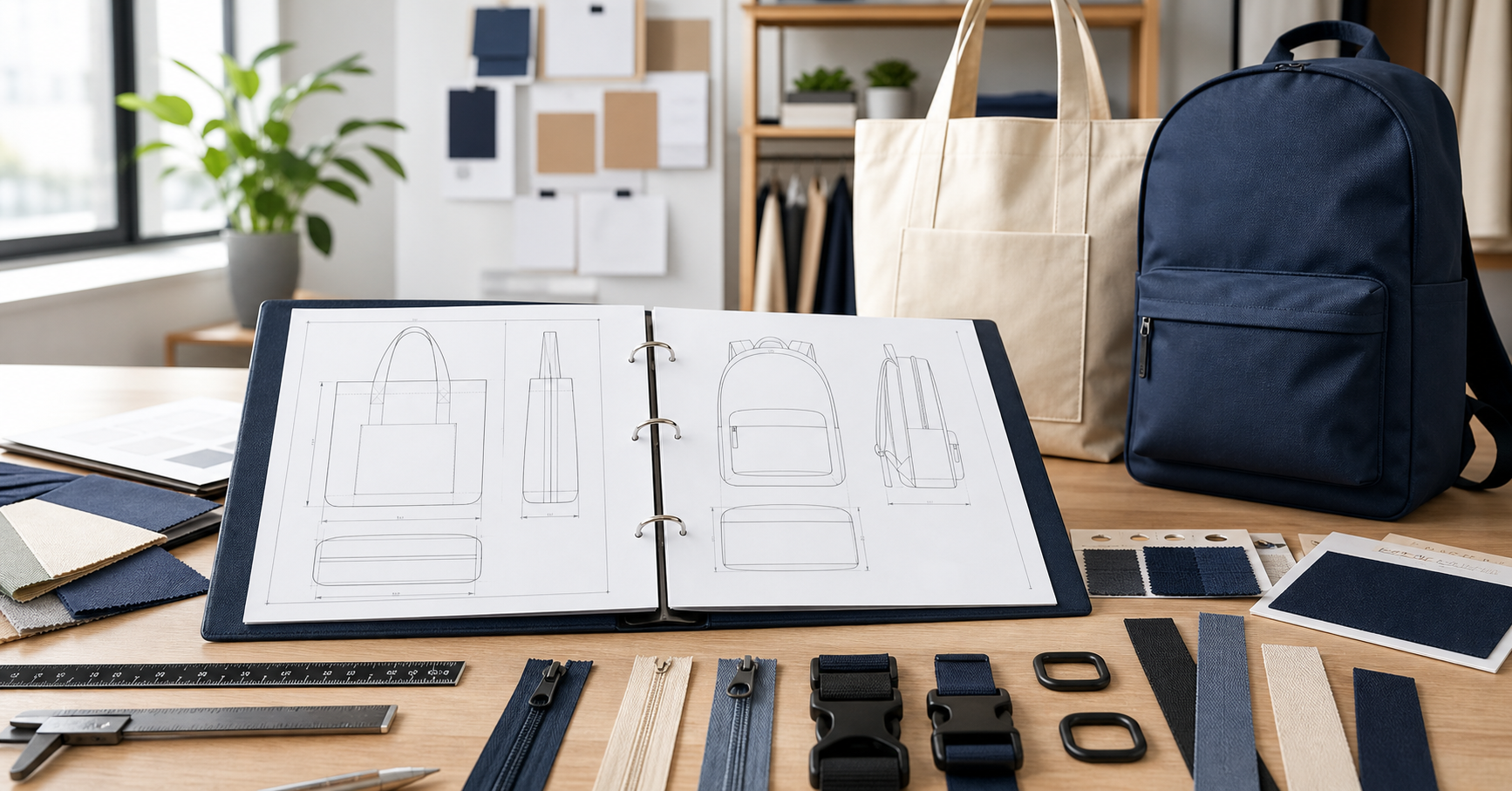
Prepare drawings or measurement tables, a BOM, artwork, color references, label copy, packing and test or inspection requirements. Define who may propose changes and how they are approved.
Choose a private label route when the base style works
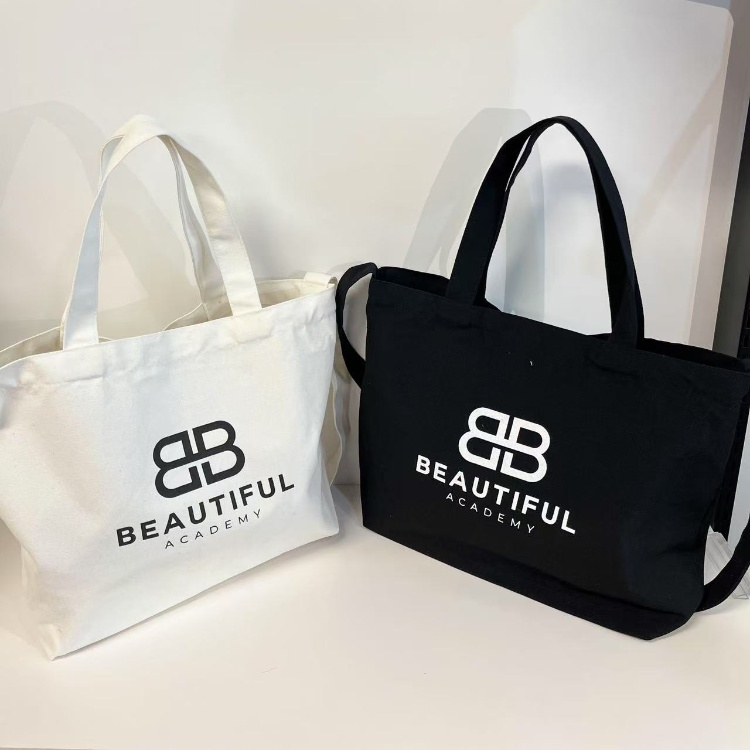
A private label starting point can be efficient when an existing construction already fits the intended contents and use. Typical modifications may include approved material or color choices, logo execution, labels and packing, but the actual limits depend on the supplier and product.
Inspect the base style as carefully as a custom design. Confirm usable size, materials, seams, zipper, lining, compartments, hardware and fit for the intended task. Existing does not mean approved for your market or claim.
Assign design and approval responsibilities
Write who supplies drawings, patterns, artwork, color standards, labels and claim language. Identify who approves materials, strike-offs, samples, tooling, substitutions and production deviations.
For each deliverable, record owner, reviewer, approval record and due date. This is especially useful when a supplier contributes design-for-manufacture suggestions but the buyer retains final product responsibility.
Define ownership, confidentiality and use rights
Confirm ownership and permitted use of buyer artwork, trademarks, technical files, patterns, molds or tooling, supplier base designs and project photographs. State confidentiality, storage, return or destruction terms where appropriate.
A commercial invoice, manufacturing authorization or possession of artwork does not automatically grant public marketing rights. Keep manufacturing use and public display permissions separate.
Compare cost and timing on the same scope
Private label is not automatically cheaper or faster, and OEM is not automatically more expensive or slower. Material availability, customization, tooling, SKU count, sampling, testing, packing and order quantity determine the actual result.
Request a line-by-line commercial basis covering product, decoration, tooling, samples, tests, inspection, packing, freight responsibility and validity. Build the schedule from inputs, sample approvals, material confirmation, production, inspection and transit.
Use a gated sample process
For either route, approve usable dimensions, material, color, lining, structure, compartments, closure, hardware, artwork, labels and pack-out. Identify the sample version and record open deviations.
If changes affect fit, function, appearance, claims or packing, review the affected evidence again. Bulk production should follow the final controlled version.
Control claims and market requirements
Identify destination markets and sales channels early. The buyer should confirm applicable labeling, product-safety, chemical, environmental, packaging and claim requirements with qualified parties.
Ask for evidence tied to the stated material, component, test method, entity and order scope. Do not extend a certificate or test for one input or batch to the whole product line.
Send one route-neutral RFQ
Describe the required outcome first: product job, contents, usable dimensions, materials, construction, compartments, closure, hardware, artwork, labels/claims, rights, quantity mix, pack-out, samples, tests, inspection, destination and date. Ask the supplier to propose an OEM, private label or other route and explain the assumptions.
MOQ, price, sample fee, tooling, capacity and delivery are subject to specification and written confirmation.
Frequently asked questions
Is private label always an existing stock product?
No. It may be produced to order from an existing design. Confirm availability, permitted changes, ownership and the exact specification.
Does OEM mean the factory owns the design?
Not necessarily. Ownership and use rights depend on the written agreement and the sources of the design, tooling and assets.
Which route is better for a test launch?
Choose the route that can meet the required product and evidence with acceptable exposure. Compare sample, tooling, minimums, timing and inventory risk for the actual brief.
Can a project combine both approaches?
Yes. A supplier platform can be modified to a buyer-controlled specification. Document the baseline, changes, rights and approval responsibilities.
Related sourcing guides
Sources and scope: the Luckystar custom cosmetic bag category and linked sourcing guides support product and process context. The terms OEM and private label vary by supplier and contract. No current evidence was supplied for the former company workflow, private-label availability, flexible-batch, quality or timing claims, so they were removed. One unverified legacy image and legacy direct-contact details were removed; the standard GET QUOTE image was retained.
Request an OEM vs private label route review
Send the product job, base design, required changes, usable dimensions, materials, construction, compartments, closure, hardware, artwork, labels/claims, ownership and rights, quantity/SKU split, samples/tooling/tests/inspection, pack-out, destination and date.
Use the website contact form or email a prefilled route-selection brief. Review the draft before sending.
Rights, materials, construction, appearance, care/performance, compliance and environmental claims, samples, tooling, tests, inspection, MOQ, price, capacity, availability and delivery are subject to qualified review, specification, sample approval and written confirmation.